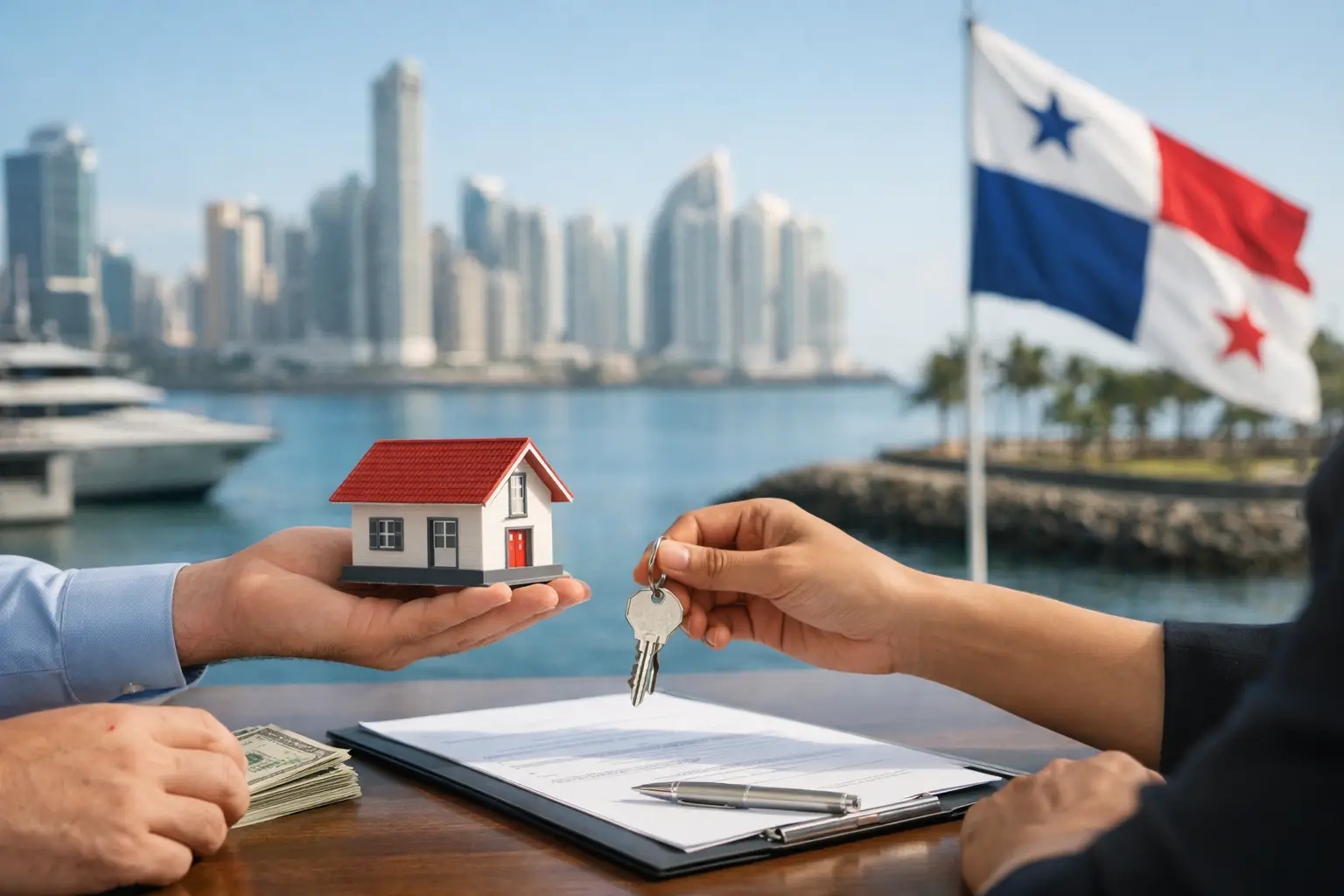
A lot of buyers ask this question before they ever book a flight to David or Boquete: can foreigners buy property in Panama? The short answer is yes. In most cases, foreign buyers have the same property ownership rights as Panamanian citizens, which is one reason Panama continues to attract retirees, investors, and families looking for a second home or a long-term move.
That said, the easy answer is not the whole answer. Buying real estate in another country is never just about whether you are allowed to buy. The real question is whether you are buying the right kind of property, with clean title, in the right area, under the right structure for your goals. That is where experience matters.
Can foreigners buy property in Panama with full ownership?
Yes, foreigners can buy titled property in Panama and hold it in their personal name or through a legal entity, depending on the situation. There is no blanket rule that limits foreign ownership of homes, condos, or many types of land. This is one of Panama’s strongest advantages for international buyers compared with other markets where ownership restrictions are much tighter.
But there are important exceptions and practical realities. Not every parcel offered for sale is the same, and not every property right in Panama gives you the same level of security. If you are looking at a condo in Boquete, a house near David, farmland in Tierras Altas, or a coastal opportunity near Puerto Armuelles, the type of property interest matters just as much as the asking price.
In Panama, the safest path for most foreign buyers is titled property with a clear registration history. That means the ownership has been formally recorded and can be verified through proper due diligence. Rights of possession properties do exist, and they can be attractive because of lower pricing, but they involve a different risk profile and should never be approached casually.
The biggest issue is not eligibility – it is due diligence
Many buyers from the US assume the buying process will work just like it does back home. It does not. Panama offers strong ownership rights, but the transaction process depends heavily on title review, municipal records, tax standing, survey confirmation, zoning considerations, and making sure the person selling the property truly has the authority to do so.
This is where some buyers get into trouble. They hear that Panama is foreigner-friendly and stop their research too early. A property can look ideal in photos and still come with unresolved boundary issues, access problems, outstanding obligations, or a mismatch between what is advertised and what is actually registered.
For that reason, experienced local guidance is not a luxury. It is part of protecting the investment. In markets like Chiriqui, local knowledge can make a major difference because neighborhood value, road access, utilities, rainfall patterns, and elevation all affect long-term livability and resale potential.
What kinds of property can foreigners buy in Panama?
Foreigners can buy residential homes, condominiums, lots, agricultural land, and commercial property in much of Panama. The legal ability to own is broad, but what you should buy depends on your purpose.
If you are relocating, a turnkey home in an established area may make more sense than raw land that requires permitting, utility planning, and site preparation. If you are investing, the question becomes cash flow, vacancy risk, management logistics, and whether the market supports the rental strategy you have in mind. If you are buying for future development, then topography, water access, road frontage, and municipal rules deserve close attention early in the process.
This is one reason personalized advisory matters. A beautiful parcel is not always a smart parcel, and a cheap property is not always a good value.
Restricted areas and special cases
Panama is welcoming to foreign buyers, but there are some areas where restrictions can apply, especially near international borders or in certain protected or concession-based zones. These cases are not the norm for a typical homebuyer, but they matter enough that they should be checked before any serious negotiation begins.
Beachfront and island properties also require extra care. Some are fully titled. Others involve concession rights or different use arrangements. Those distinctions affect financing, resale, inheritance planning, and overall security. If a buyer assumes all waterfront property works the same way, that is where expensive mistakes start.
This is why broad statements about buying in Panama can be misleading. Yes, foreigners can buy property in Panama, but the answer depends on exactly what is being bought and where.
Should you buy in your own name or through a corporation?
This depends on your goals. Some foreign buyers purchase in their personal name because it is straightforward and fits a simple lifestyle purchase. Others use a Panamanian corporation or another ownership structure for liability planning, estate considerations, shared ownership, or future investment activity.
There is no one-size-fits-all answer. A retiree buying a primary residence may not need the same structure as an investor acquiring multiple rental units or a developer securing land for a project. The best decision usually comes from looking at the property use, tax implications, long-term ownership plan, and how easy you want eventual resale or transfer to be.
What matters most is that the structure should serve the buyer’s real objective, not just follow a generic recommendation.
Financing is possible, but many foreign buyers use cash
Another common question behind can foreigners buy property in Panama is whether foreigners can finance property here. The answer is sometimes, but financing for non-residents can be more limited than many US buyers expect. Local banks may ask for larger down payments, more documentation, and longer underwriting timelines.
Because of that, many international transactions are cash purchases. That can create negotiating power, but buyers should still plan carefully for closing costs, legal fees, property taxes where applicable, insurance, and any renovation or furnishing budget after closing.
It is also worth thinking beyond the purchase itself. If you will own from abroad, who will check on the property, coordinate repairs, handle tenants, or collect rent if the property becomes income-producing? Buying is only one phase of ownership.
Why Chiriqui gets so much attention from foreign buyers
For many international clients, Chiriqui stands out because it offers variety. Boquete appeals to buyers who want climate, scenery, and a strong expat presence. Tierras Altas attracts those looking for cooler temperatures, agricultural opportunities, or land with a different lifestyle profile. David offers practical convenience, services, healthcare access, and stronger day-to-day infrastructure. Puerto Armuelles can appeal to value-driven buyers watching long-term coastal potential.
These are very different markets, even though they sit within the same region. Price per square meter, resale demand, rental patterns, infrastructure, and buyer profile can shift significantly from one area to another. That is why broad national advice only gets you so far. Local market understanding changes the quality of the decision.
After working in Panama real estate for decades, Nikolai Candanedo has seen one truth repeat itself: foreign buyers do best when they match the property not just to their budget, but to their life plan.
Common mistakes foreign buyers should avoid
The first mistake is assuming every property has clean, transferable title. The second is focusing only on scenery and not on access, utilities, and usable land. The third is underestimating how important a reliable local team is during and after closing.
Another common issue is buying too quickly during a short visit. Panama can feel easygoing, and that is part of its appeal, but a relaxed lifestyle should not lead to a relaxed purchase process. A careful buyer verifies the details before getting emotionally attached.
It is also wise to avoid applying US market assumptions too rigidly. Comparable sales, rental returns, negotiation style, and transaction timing may look different here. Buyers who adjust to the local market tend to make stronger decisions.
So, can foreigners buy property in Panama confidently?
Yes, they can, and many do. Panama remains one of the more accessible real estate markets for foreign buyers, especially for those looking at retirement, relocation, land acquisition, or income property. The opportunity is real.
The confidence part comes from doing it correctly. A safe and successful purchase is not just about finding something attractive online. It is about confirming title, understanding the type of property rights involved, evaluating the local market, and building the right support around the transaction.
If Panama is on your shortlist, treat the purchase like a long-term decision, not a vacation impulse. The right property in the right area can serve you well for years, but the best results usually come to buyers who ask better questions before they sign anything.

Leave a Reply