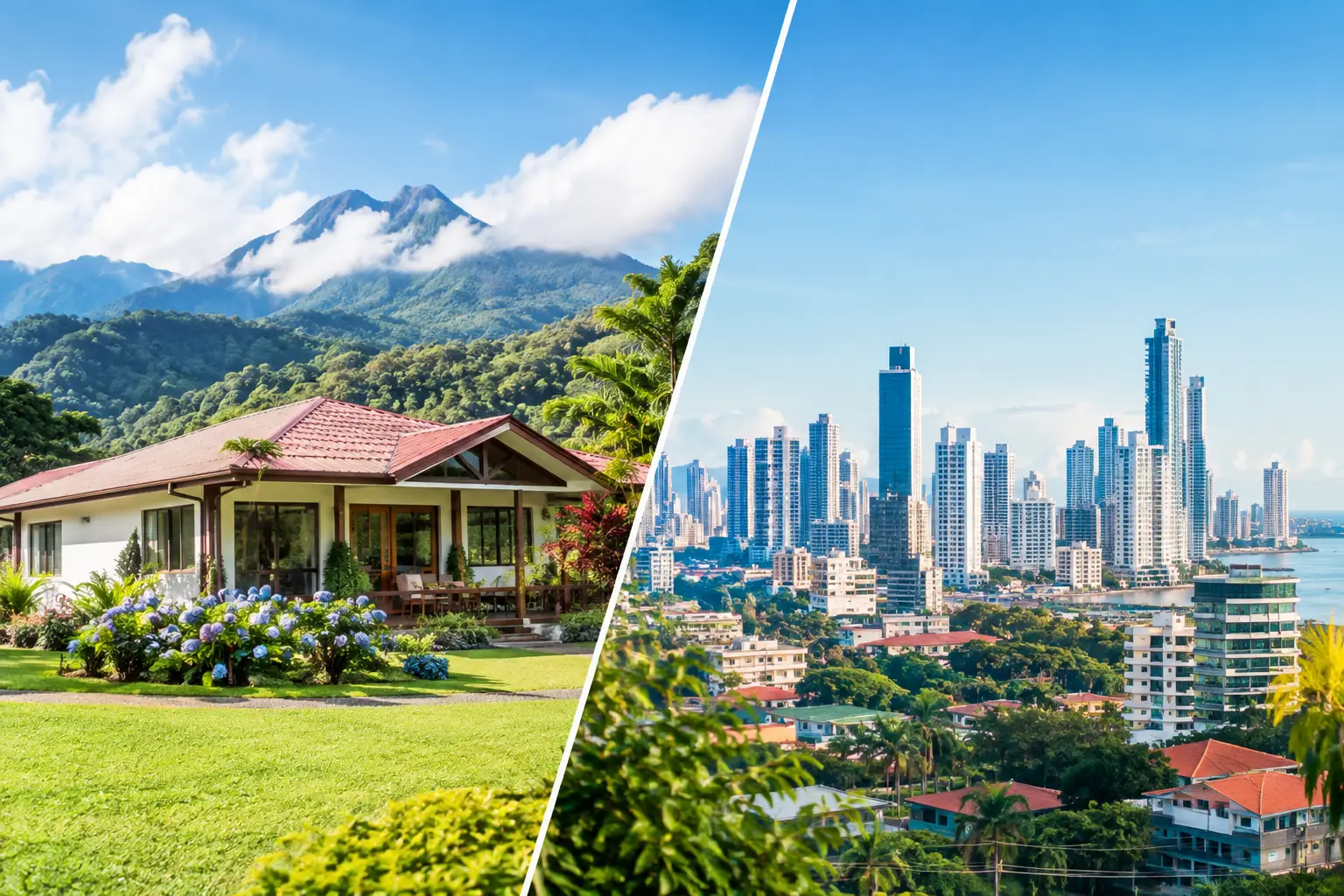
How to Select a Property Manager in Panama

How to Select a Property Manager in Panama

A vacant home in Boquete after heavy rain, a tenant question that sits unanswered for two days, or a repair invoice with no explanation can quickly turn a promising investment into a source of stress. If you are considering how to select a property manager in Panama, the decision should go far beyond comparing a monthly fee. You are choosing the local person or team that will represent your property, protect its condition, and communicate with you when you are not there.

For owners living in the United States, Canada, or another part of Panama, good management is not a luxury. It is the practical foundation of remote ownership. The right manager brings local judgment, reliable follow-through, and a clear system for handling money, tenants, vendors, and unexpected issues.

Start With the Type of Property You Own

Property management is not one identical service. A furnished rental in Boquete has different needs from a long-term home in David, a vacant lot in Tierras Altas, or a commercial property near Puerto Armuelles. Before interviewing anyone, define what you need managed and what success looks like.

A long-term rental may require tenant screening, lease administration, rent collection, maintenance coordination, and periodic inspections. A vacation or short-term rental may also need guest communication, turnover coordination, pricing guidance, inventory checks, and fast responses on weekends. A vacant home needs regular visits, weather monitoring, utility oversight, and attention to security. Land may need boundary checks, vegetation control, caretaker coordination, or support with local contractors.

Be specific about your goals. Are you focused on dependable monthly income? Preserving a retirement home until you relocate? Keeping a newly purchased property in market-ready condition? A manager who is excellent with seasonal rentals may not be the best fit for an owner who wants conservative, long-term tenant placement.

How to Select a Property Manager With Local Reach

In Chiriquí, local knowledge is operational knowledge. Road access, rainy-season conditions, water systems, contractor availability, neighborhood expectations, and rental demand can vary greatly between Boquete, Volcán, David, and the surrounding communities. A manager does not need to claim expertise in every corner of Panama. They do need genuine familiarity with the area where your property is located.

Ask direct questions about the properties they currently manage. How close are those properties to yours? How often are they physically inspected? Which vendors do they use for plumbing, electrical work, landscaping, cleaning, and security concerns? The answers should be concrete, not vague assurances.

This is especially relevant in mountain and rural areas. A manager who understands the practical realities of Boquete or Tierras Altas will recognize that a small leak, drainage issue, or access problem can become more expensive if it is ignored during the rainy season. Local presence allows for faster assessment and better decisions before a minor issue becomes a major repair.

Look Closely at Communication Standards

Most property management relationships do not fail because of one dramatic event. They fail through silence, unclear updates, and unresolved small problems. Before signing an agreement, establish how communication will work.

Ask who will be your main contact and who takes responsibility if that person is unavailable. Find out whether updates are sent monthly, after each inspection, or only when something needs approval. Confirm how urgent situations are defined and how quickly you can expect a response.

For international owners, language ability and reporting style matter. You should be able to understand what happened, what action was taken, what it cost, and whether a decision is still required from you. Photos and short videos are often useful, but they should support clear written reporting rather than replace it.

A strong manager does not overwhelm you with every minor detail, nor do they make decisions with your money without agreed limits. The best arrangement sets approval thresholds in advance. For example, you might authorize routine repairs up to a stated amount while requiring approval for larger work, nonessential upgrades, or vendor changes.

Verify How Money Is Handled

Rent collection and expense control deserve careful attention, particularly when you own property from abroad. Ask exactly how rent is collected, when funds are remitted, what fees are deducted, and how you will receive financial statements. A professional manager should be comfortable walking you through this process in plain language.

You also need clarity on deposits, late payments, repair reserves, and vendor invoices. Will every expense be documented? Are invoices shared with the owner? Is there a separate record for each property? What happens if a tenant does not pay on time?

Do not choose solely on the lowest management percentage. A lower fee can become expensive if it comes with weak oversight, inconsistent rent collection, or poor maintenance decisions. On the other hand, a higher fee is not automatically justified simply because a firm has an impressive presentation. Compare the services included, the reporting discipline, and the amount of hands-on attention your property will receive.

Ask About Tenant Selection and Retention

If rental income is part of your investment plan, tenant quality matters more than fast placement. An empty property costs money, but the wrong tenant can cost much more through missed payments, property damage, conflict, or premature turnover.

Ask how applicants are screened and what information is reviewed before a lease is signed. Depending on the tenant profile and local norms, screening may include income verification, references, employment history, previous rental behavior, and identification documents. The manager should also explain the lease process, deposit requirements, move-in documentation, and how disputes are handled.

Retention is worth discussing as well. A manager who responds professionally to reasonable tenant concerns, keeps the property maintained, and communicates lease renewals early can reduce costly vacancies. That does not mean accepting every request without question. It means treating reliable tenants as valuable business relationships while enforcing the terms of the lease consistently.

Examine Their Maintenance Process

Maintenance is where a property manager proves their value. Ask what happens from the first report of a problem to the final invoice. Who diagnoses the issue? How are contractors selected? Does the manager obtain more than one quote for significant work? Will you receive photos before and after repairs?

There is a trade-off between speed and price. For an active water leak or electrical concern, waiting several days to collect multiple estimates may not be responsible. For a planned exterior painting project or appliance replacement, competitive quotes and a written scope of work are reasonable expectations. Your agreement should recognize that difference.

It is also wise to ask whether the manager marks up maintenance invoices or charges coordination fees. Either model can be acceptable when it is disclosed clearly. What creates problems is surprise billing. Transparency is more valuable than a fee structure that sounds simple but hides the true cost of service.

Review the Management Agreement Before You Commit

A management agreement should make both parties more confident, not create uncertainty. Read it carefully before transferring keys, tenant files, or funds. It should identify the services provided, fees, owner responsibilities, approval limits, reporting schedule, contract term, cancellation process, and handling of emergencies.

Pay attention to exclusivity and termination provisions. Some owners need a manager for a single rental unit; others want broader support that includes oversight of a second home, concierge coordination, or preparation for a future sale. The agreement should fit the actual relationship rather than force you into services you do not need.

For Panama property owners, it can also be helpful to distinguish property management from legal, tax, and brokerage services. These areas often overlap in day-to-day ownership, but they are not identical. A knowledgeable local real estate advisor can help you understand where one responsibility ends and another begins.

Use References to Test the Experience

References are most useful when you ask specific questions. Speak with current or recent clients who own a similar type of property, preferably owners who live outside the immediate area. Ask whether reports arrive when promised, whether maintenance costs are explained, how problems were handled, and whether the client would hire the manager again.

Online reviews may offer helpful context, but they should not be your only source of confidence. A few polished comments cannot tell you how someone performs during a difficult tenant situation, a storm-related repair, or a dispute over a large invoice. Look for a pattern of accountability and long-term relationships.

Choose Accountability Over Promises

The right property manager will not promise that every tenant will be perfect or that repairs will never arise. Real estate ownership always carries variables. What a capable manager can offer is a disciplined process, local judgment, honest communication, and a willingness to be accountable when conditions change.

For owners in Chiriquí, personalized management can make the difference between simply owning a property and feeling confident about it. Nikolai Candanedo brings regional market experience and hands-on real estate support to owners who want clear guidance from acquisition through ongoing care. Choose a manager who treats your property with the same seriousness you used when deciding to invest in it.

Foreign Ownership Questions in Panama Answered

Foreign Ownership Questions in Panama Answered

A beautiful view, an attractive asking price, and a friendly seller can make a Panama property feel like an easy decision. Yet the foreign ownership questions that matter most usually appear after the first showing: Can I hold title personally? Is the land properly registered? What happens if the property is near the coast or border? Who protects my interests at closing?

For buyers from the United States and other international markets, Panama can offer real opportunity, particularly in Chiriquí. Boquete, Tierras Altas, David, and Puerto Armuelles each serve different lifestyles and investment goals. But a successful purchase depends on understanding the property rights behind the listing, not simply falling in love with the location.

Can Foreigners Own Property in Panama?

In most cases, yes. Panama generally allows foreign individuals and foreign-owned entities to purchase and own real estate with rights comparable to Panamanian citizens. A buyer does not need Panamanian residency or citizenship to acquire a properly titled home, condominium, commercial property, or parcel of land.

That said, ownership is never a one-question issue. The key distinction is between buying a property with recorded title and acquiring another form of possessory or concession-based right. These arrangements can be legitimate in the right setting, but they are not interchangeable. A buyer should understand exactly what is being transferred, how it is documented, and what restrictions accompany it.

Foreign buyers should also expect additional review in sensitive locations. Properties near international borders, certain islands, coastal areas, indigenous territories, and land subject to special government regimes can require a more careful legal analysis. The property may still be available, but the ownership structure, permitted use, or approval process may be different from an ordinary titled residence in David or Boquete.

The Foreign Ownership Questions to Ask Before Making an Offer

The strongest offers are informed offers. Before negotiating price or paying a deposit, ask whether the property has a registered title in the Public Registry and request documentation that identifies the registered owner, property boundaries, liens, mortgages, easements, and restrictions.

A title search is not a formality. It is the foundation of the transaction. A property can look established and occupied for years while still presenting issues that affect transferability, financing, subdivision potential, or resale value. The legal description should match the land being shown, and the seller should have the authority to sell it.

Ask how the property is currently held. It may be owned by an individual, a corporation, multiple family members, an estate, or a trust. Each structure affects the documents required for a sale and may affect the timeline. If a corporation owns the property, the buyer should verify corporate standing and confirm who is authorized to sign on its behalf.

It is also wise to ask about taxes, utilities, access, and zoning early. A low purchase price can lose its appeal if road access is uncertain, utility connections are impractical, annual obligations are misunderstood, or the intended use is not permitted. For an investor considering rental income, the questions should go further: Is short-term rental activity allowed? What demand exists in that micro-market? Who will handle maintenance, guest communication, and rent collection when you are outside Panama?

Titled Land, Rights of Possession, and Concessions

Not all Panama real estate is sold with the same type of ownership right. This is one of the most important distinctions international buyers need to understand.

Titled property is registered in the Public Registry and generally provides the clearest path to a conventional purchase and future resale. It does not eliminate the need for due diligence, but it provides a documented chain of ownership and a defined legal framework for transfer.

Rights of possession, often called possession rights, may apply to land that has been occupied and used without a registered title. Buyers may encounter these opportunities in rural, beach, or developing areas. They can be appealing because of price or location, but they carry a different risk profile. The buyer is not receiving the same registered ownership interest as with titled land, and the path to formal title can be uncertain, lengthy, or unavailable depending on the circumstances.

Coastal and maritime areas may involve concessions or government-granted usage rights rather than private titled ownership. These can support valuable projects when properly structured and approved, but terms, renewals, development obligations, and transfer requirements must be understood in detail. A concession should never be evaluated as though it were ordinary fee-simple title.

For a buyer seeking a retirement home, a family residence, or a straightforward investment, titled property is often the more predictable choice. For a developer or experienced investor, a concession or possession-right opportunity may fit the strategy, but only after qualified local legal review and a realistic assessment of time, risk, and future marketability.

Should You Buy Personally or Through a Corporation?

There is no universal answer. Some buyers purchase in their personal names because the structure is direct and easy to understand. Others use a Panamanian corporation for privacy, succession planning, shared ownership, or business operations.

A corporation can be useful when several investors will own the property, when the asset will support a rental business, or when a buyer wants a clear framework for future ownership transfers. However, it also comes with ongoing compliance obligations, annual fees, accounting considerations, and the need to maintain corporate records properly. Forming a corporation simply because someone says it is “standard” is not a strategy.

Your choice should reflect your ownership plan. Consider who will use the property, whether it will generate income, how heirs or partners may be involved, and how you expect to sell or transfer the asset later. A Panamanian attorney and tax professional should advise on the legal and tax implications for your individual circumstances, including reporting responsibilities in your home country.

What Happens During a Safe Closing?

A well-managed Panama transaction is built around verification, documentation, and controlled movement of funds. Once the buyer and seller agree on terms, the process commonly includes a purchase agreement, title and lien review, confirmation of tax status, preparation of closing documents, and registration of the transfer.

The exact sequence depends on the property and the parties involved. A condominium in a well-established development may move differently than a rural parcel in Tierras Altas or an income property in Puerto Armuelles. If the buyer is overseas, powers of attorney, document authentication, and banking procedures may also affect timing.

Deposits and final payment arrangements deserve particular attention. Buyers should understand where funds will be held, under what conditions they will be released, and what events allow either party to cancel. Never treat a wire request, informal receipt, or verbal assurance as a substitute for a documented transaction structure.

The buyer should also confirm closing costs before committing. These may include legal fees, registration expenses, transfer-related taxes, notary costs, corporate expenses where applicable, and any prorated taxes or association fees. A clear estimate helps avoid surprises and provides a more realistic view of the total investment.

Local Knowledge Changes the Quality of the Decision

A property can be legally sound and still be the wrong purchase. In Chiriquí, elevation, rainfall, road conditions, water availability, neighborhood character, and proximity to services can change dramatically within a short drive. What feels ideal for a weekend visit may not fit full-time living, rental demand, agricultural plans, or a future resale strategy.

That is why local guidance should begin before the offer, not after it. A knowledgeable advisor can help distinguish between an attractive listing and a property that supports your actual goal. For some buyers, that means a walkable Boquete residence with manageable maintenance. For others, it means land near David with development potential, a cool-climate home in Tierras Altas, or a rental-focused opportunity near Puerto Armuelles.

At Nikolai Candanedo, the approach is personal because the decision is personal. Since 1997, the work has been about more than identifying available property. It is about helping clients ask better questions, see the local market clearly, and move forward with the right professional support around them.

Foreign ownership in Panama can be straightforward when the property, structure, and due diligence all align. Start with the questions that protect your investment, then let the right location earn your confidence.

Boquete Development: What Buyers Should Know

Boquete Development: What Buyers Should Know

A new road, a hillside grading plan, or a cluster of modern homes can change the conversation around a property overnight. But Boquete development is not a single market trend. It is a collection of very local decisions about access, water, topography, zoning, construction quality, and the kind of buyer a project is designed to serve. For anyone considering a home, land purchase, rental property, or larger project in Chiriquí, that distinction matters.

Boquete continues to attract retirees, expatriates, Panamanian families, remote professionals, and investors looking for a climate and lifestyle that feel distinct from Panama City. Its appeal is real: mountain scenery, a well-established international community, restaurants, services, and proximity to David. Yet the best opportunities are rarely identified by a listing price alone. They are found by understanding where development is happening, what is driving it, and which details will still matter after closing.

Why Boquete Development Requires Local Perspective

The Boquete district is varied. A property near Bajo Boquete may offer easier access to shopping, medical services, restaurants, and daily conveniences. A home in Alto Boquete may provide more land, newer construction options, or a different value proposition. Areas such as Jaramillo, Volcancito, Caldera, Palmira, and the road corridors leading beyond town each carry their own strengths and constraints.

Two properties may be only a short drive apart but have entirely different practical realities. One may have reliable paved access, established utilities, and strong resale appeal. Another may offer exceptional views but require steeper roads, more careful drainage work, private water arrangements, or a higher construction budget. Buyers should not assume that a scenic location automatically delivers the same infrastructure or market liquidity as a more established neighborhood.

This is why local guidance is more than a convenience. It is part of proper due diligence. A knowledgeable advisor can help a buyer compare what is being promised with what is actually in place, while also considering how the property may perform as a residence, rental, or future resale.

What Is Driving Growth in Boquete?

Boquete’s growth is supported by lifestyle demand, not only speculation. Many buyers arrive after years of researching Panama as a relocation or retirement destination. They want moderate temperatures, green surroundings, a sense of community, and access to services without the intensity of a major city. Others are purchasing second homes or looking for income-producing properties that can serve both personal and rental use.

That demand has encouraged a wider range of development. Buyers can find established homes, custom builds, condominium-style options, gated communities, small subdivisions, and undeveloped land. For developers, the opportunity is not simply to build more units. It is to build the right product for a market that often values privacy, dependable access, usable outdoor space, quality finishes, and property management support.

The trade-off is that growth can create uneven pricing. New construction may command a premium because it offers contemporary layouts, efficient systems, and less immediate maintenance. At the same time, an older home in a proven location may represent stronger value if it has solid construction, good access, and a realistic renovation path. The better choice depends on the buyer’s timeline, risk tolerance, and intended use.

Lifestyle Buyers and Rental Buyers Are Not Always the Same

A home that feels ideal for a full-time owner may not be the strongest rental candidate. Long-term tenants often prioritize internet reliability, parking, road access, security, and proximity to town. Shorter-term guests may be more interested in views, design, privacy, and a memorable location. A successful investment decision begins with choosing one primary strategy instead of assuming every attractive home will perform equally well in every rental category.

Rental income should also be analyzed conservatively. Gross rent is only one part of the picture. Owners need to account for maintenance, furnishing, utilities where applicable, cleaning, management, vacancy periods, insurance, and reserve funds for repairs. A realistic cash flow analysis protects buyers from making decisions based on optimistic assumptions.

How to Evaluate a Development Opportunity

When reviewing a home, lot, or development project in Boquete, start with the physical fundamentals. They influence cost, comfort, financing conversations, rental potential, and future resale more than cosmetic features do.

Access, Utilities, and Water

Ask how the property is reached during the rainy season, not only on a dry afternoon. Confirm whether the road is public or private, who maintains it, and whether an association fee or informal arrangement applies. If the road is steep, narrow, or unpaved, consider how that affects guests, delivery vehicles, construction crews, and aging in place.

Utility questions deserve equal attention. Verify electricity, internet options, wastewater systems, and water source. Municipal water, a community system, and a private well may each be workable, but the buyer should understand supply reliability, maintenance responsibilities, and any relevant costs. On larger parcels, water availability can directly affect the feasibility of landscaping, agriculture, guest accommodations, or additional homes.

Topography and Drainage

Mountain property is beautiful because it has elevation and terrain. That same terrain requires careful planning. Sloped lots may need retaining walls, engineered foundations, drainage channels, or specialized driveway work. A lower-priced lot can become an expensive building site if earthwork and access have not been evaluated correctly.

During site visits, look beyond the view. Notice runoff patterns, retaining structures, neighboring construction, creek areas, and signs of erosion. The rainy season often reveals more about a property than a sunny-day showing. For a buyer planning new construction, an early conversation with qualified local professionals can prevent costly redesigns later.

Legal Status and Community Rules

Every purchase should include appropriate legal review, but buyers should also understand the practical character of the community. Is the property titled? Are boundaries clear? Is there an owners association, and what rules, fees, or building restrictions apply? Is a proposed project compatible with the neighborhood’s established standards?

For developers, clarity on permitted use should come before marketing projections. A property may appear well suited for multiple homes, vacation rentals, or a commercial concept, yet the legal, physical, or community conditions may limit those plans. The strongest projects are designed around verified conditions, not assumptions.

Where Value Can Still Be Found

Not every buyer needs to compete for a turnkey home close to central Boquete. Value may be found in areas that offer a little more distance, a larger parcel, or a property that needs thoughtful improvement. The question is whether the discount is sufficient for the added responsibility.

For example, a home farther from town may make sense for an owner seeking quiet, views, and space. It may be less suitable for a rental strategy aimed at visitors who want to walk to restaurants. A large parcel may appeal to a buyer planning a family compound or agricultural use, but it may not be the right choice for someone who wants minimal maintenance and easy lock-and-leave ownership.

There is also a meaningful difference between inexpensive land and buildable land. Before purchasing, buyers should consider site preparation, road improvements, utility extensions, permits, design, labor availability, and construction oversight. In many cases, a more expensive lot in an established area produces a more predictable total investment.

A Better Way to Approach the Market

The best Boquete purchases begin with a clear brief. Define whether the property is primarily for relocation, retirement, a vacation home, rental income, land banking, or development. Then identify the non-negotiables: proximity to town, climate preference, terrain, budget for improvements, rental goals, and desired level of maintenance.

From there, compare opportunities based on total ownership reality rather than listing language. This includes closing costs, furnishing, ongoing management, repairs, association fees, taxes, and the practical work required to make the property function as intended. Buyers living abroad should also plan for how the home will be monitored, maintained, and represented when they are away.

Nikolai Candanedo brings decades of Chiriquí market knowledge to these conversations, helping clients evaluate both the visible appeal of a property and the details that shape long-term ownership. A personal approach matters because the right Boquete property is rarely the same for two buyers.

A well-chosen property in Boquete can support a remarkable lifestyle and a disciplined investment plan. Take the time to ask hard questions early, visit with purpose, and choose a property whose access, infrastructure, and market position support the life or business you want to build there.

8 Best Real Estate Investment Metrics to Track

8 Best Real Estate Investment Metrics to Track

A property can look like a bargain from the road and still be a poor investment once vacancy, maintenance, taxes, management, and financing enter the picture. The best real estate investment metrics turn a promising listing into a decision you can defend. For buyers considering Boquete, David, Tierras Altas, Puerto Armuelles, or another part of Chiriquí, the numbers should be grounded in how the property will actually operate, not in a seller’s most optimistic projection.

A good analysis does not replace local judgment. A mountain-view home may command a premium but attract a narrower tenant pool. A centrally located apartment in David may produce steadier demand with less upside in nightly rates. Land can offer long-term appreciation potential while producing no current income at all. The right metric depends on your goal, but the discipline of measuring the deal does not change.

Best Real Estate Investment Metrics for Panama Buyers

1. Net operating income

Net operating income, commonly called NOI, is the income a property produces after normal operating expenses and before debt payments and income taxes. Start with the rent you realistically expect to collect, then subtract vacancy, property taxes, insurance, utilities paid by the owner, maintenance, management, advertising, and regular service costs.

NOI is more useful than gross rent because gross rent ignores what it takes to keep the property producing. A furnished rental may show attractive monthly income, for example, but furniture replacement, cleaning, internet, landscaping, and higher utility use can change the picture quickly. For an owner living abroad, professional management is also a real cost, not an optional line item.

Use conservative income assumptions. If a property has not been rented consistently, do not automatically underwrite it at peak-season rates. Ask what comparable properties have actually achieved over a full year, not only during the strongest months.

2. Capitalization rate

The capitalization rate, or cap rate, measures NOI against the purchase price. Divide annual NOI by the purchase price, then multiply by 100. A property with $24,000 in annual NOI purchased for $400,000 has a 6 percent cap rate.

Cap rate helps compare income-producing properties without allowing one buyer’s loan terms to distort the comparison. It can be particularly helpful when reviewing several homes, apartments, or commercial opportunities in different Chiriquí locations.

But cap rate is not a verdict. A lower cap rate can be reasonable for a newer property in a highly desirable Boquete location, particularly if it has stronger long-term demand, better construction, or easier resale prospects. A higher cap rate may signal more income, or it may be compensation for deferred maintenance, seasonal demand, complicated access, or tenant risk. Compare similar property types, not a central David rental against an undeveloped parcel or a remote vacation home.

3. Cash flow after debt service

Cash flow answers the question most owners feel every month: after rent and all expenses, including the mortgage, how much money is left? The calculation is simple: NOI minus annual debt service.

Positive cash flow gives an investor room to handle repairs, vacant periods, and currency or travel-related costs. It also matters when the property is intended to support retirement income. A deal that only works with full occupancy and no unexpected repairs is fragile, even if its projected return appears impressive.

Financing changes this metric substantially. Two investors can buy the same property and experience very different cash flow because of their down payment, interest rate, loan term, and lender requirements. For that reason, review both the property-level NOI and your own post-debt cash flow. One shows the asset’s operating strength; the other shows whether your financing structure is appropriate.

4. Cash-on-cash return

Cash-on-cash return measures the annual pre-tax cash flow against the actual cash you invested. That initial cash may include the down payment, closing costs, legal and due-diligence expenses, furnishing, initial repairs, and setup costs for utilities or rental operations.

If you invest $120,000 in cash and receive $9,600 in annual cash flow after debt service, your cash-on-cash return is 8 percent. This metric is particularly useful for international buyers because the real cash required to acquire and prepare a property is often greater than the purchase price alone suggests.

Do not omit first-year work. A home may need air conditioning, appliances, security improvements, drainage work, or a furnishing package before it can produce the rent in your projection. Including those costs from the beginning makes the return more honest.

5. Occupancy and break-even occupancy

Occupancy is the percentage of available time a rental is occupied. For long-term rentals, it is usually measured by occupied months. For vacation rentals, it is often measured by booked nights. High occupancy can be encouraging, but it should always be reviewed with average rental rate and operating costs.

Break-even occupancy is even more revealing. It shows the occupancy level needed for income to cover operating expenses and debt service. A property that breaks even at 45 percent occupancy has more breathing room than one that needs 80 percent occupancy to avoid losses.

This is where local market knowledge matters. Demand patterns differ between a full-time residential rental in David, a seasonal mountain rental in Boquete, and a beach-oriented property near Puerto Armuelles. The rental strategy should fit the location rather than forcing the same assumptions onto every property.

6. Debt service coverage ratio

The debt service coverage ratio, or DSCR, compares NOI with annual mortgage payments. Divide NOI by annual debt service. A DSCR of 1.25 means the property produces 25 percent more income than is needed to cover its loan payments.

A ratio above 1.0 means the property’s income covers debt service on paper. Still, a slim margin leaves little capacity for vacancy or repair costs. Buyers using financing should model a more cautious scenario: lower rent, more vacancy, and a reasonable repair reserve. If the deal collapses under modest pressure, it deserves closer scrutiny before closing.

7. Total return, including appreciation

Income is only one side of real estate performance. Total return includes cash flow, loan principal reduction, and changes in property value. Appreciation can be meaningful in a growing area, but it should not be treated as guaranteed income.

A practical way to view appreciation is through comparable sales, infrastructure changes, buyer demand, road access, water availability, and the supply of competing properties. Land near expanding services may have a different appreciation story than a finished home in a mature neighborhood. In either case, projected appreciation should be a conservative scenario, not the number required to make an otherwise weak deal work.

Remember that appreciation is not cash until a sale or refinance occurs. Selling also involves transaction costs and timing risk. Investors who need dependable income should prioritize durable cash flow before assigning value to a future exit.

8. Repair reserves and capital expenditures

Routine maintenance and capital expenditures are related but different. Routine maintenance includes small repairs, painting touch-ups, garden care, and service calls. Capital expenditures, often called CapEx, include major roof work, replacement appliances, water systems, structural repairs, and significant renovations.

Ignoring CapEx is one of the fastest ways to overstate a property’s return. In Chiriquí, rain, humidity, drainage, road conditions, and landscape growth can affect long-term ownership costs. A thorough inspection and a realistic reserve are more valuable than a flawless-looking listing presentation.

For a newer property, a reserve may be modest at first. For an older home, rural property, or building with several units, it should be higher. The precise amount depends on condition, construction quality, age, and what the owner is responsible for maintaining.

Put the Metrics Into One Investment Decision

The strongest purchase is rarely the property with the single highest return on a spreadsheet. It is the property whose income, costs, condition, location, and resale potential support your actual plan. A retiree seeking reliable monthly income may favor stable long-term tenancy and low operating complexity. An investor prepared to manage furnished rentals may accept more variability in exchange for higher revenue potential. A developer may place greater weight on land absorption, access, utilities, and future demand than on current cash flow.

Before making an offer, review at least three cases: a realistic case, a conservative case, and an upside case. The conservative case should allow for vacancy, repairs, slower rent growth, and any management costs you expect to incur. If the property remains sensible under that view, the investment has a stronger foundation.

At Nikolai Candanedo, investment guidance begins with the local details behind the numbers: the neighborhood, tenant demand, property condition, ownership goals, and practical costs that can be missed from a distance. The best metric is not the one that makes a listing look impressive. It is the one that helps you buy with clear expectations and hold the property with confidence.

A Guide to Remote Property Ownership in Panama

A Guide to Remote Property Ownership in Panama

A property in Panama can be an excellent home base, retirement plan, rental asset, or land investment. But once you return to the United States or move on to another country, ownership becomes a test of systems and trust. This guide to remote property ownership explains how to protect your investment, make informed decisions, and remain connected to a property in Chiriquí without trying to manage every detail from afar.

For owners in Boquete, David, Tierras Altas, Puerto Armuelles, and surrounding areas, distance does not have to mean uncertainty. It does mean choosing the right people, setting clear expectations, and paying attention to the details that are easy to miss when you are not physically present.

Start With the Right Property and Ownership Structure

Remote ownership is easier when the property suits your actual goal. A low-maintenance condominium, a well-built home in an established community, or a rental with dependable demand may be more practical for an absentee owner than a remote parcel of land with limited access. Land can offer long-term upside, particularly in growing areas of Chiriquí, but it often requires more active oversight for fencing, access, drainage, security, and boundary issues.

Before closing, understand exactly what you are acquiring. Confirm title status, access rights, property boundaries, utilities, zoning considerations, tax obligations, and any homeowners association rules. In Panama, the best ownership structure depends on the property, your long-term plans, estate considerations, and advice from qualified legal and tax professionals. Some buyers purchase personally, while others consider a corporation or another legal structure.

The point is not to choose the most complicated option. It is to choose one that supports clear ownership, smooth administration, and a realistic exit strategy. A local real estate advisor can help you identify the questions that deserve attention before a purchase becomes a remote-management responsibility.

Build a Local Team Before You Need One

A remote owner should never depend on one person for everything. You need a capable team with distinct roles and clear authority. At a minimum, that usually includes a trusted real estate advisor or property manager, an attorney, an accountant familiar with your obligations, and qualified tradespeople for repairs and maintenance.

The right team is especially valuable when something urgent happens. A water leak, fallen tree, tenant concern, security issue, or utility interruption cannot wait for an international flight. Your local representative should know who is authorized to approve work, what spending limit applies, and how to reach you when a decision needs your input.

Personal relationships matter in Panama real estate. A vendor may be technically qualified but still not be the right fit if communication is inconsistent or follow-through is weak. Ask how often you will receive updates, whether photos and invoices are provided, who collects rental payments, and how repair recommendations are evaluated. Clear answers at the beginning prevent uncomfortable surprises later.

Define Authority in Writing

Remote ownership runs more smoothly when responsibilities are documented. Your property manager should know whether they can arrange routine landscaping, pay recurring bills, coordinate repairs, inspect the property after heavy weather, or communicate with tenants on your behalf.

Set approval thresholds. For example, routine expenses under an agreed amount may be handled immediately, while larger repairs require written approval and more than one estimate when circumstances allow. Emergencies are different. Give your local team the authority to protect the property first, then report the situation with a clear record of what was done and why.

Create a Practical Management Plan

A property management plan should be simple enough to use and detailed enough to protect you. It should cover regular inspections, maintenance schedules, financial reporting, tenant communication if applicable, and emergency procedures.

For an owner-occupied home or vacation property, recurring inspections are critical. In humid tropical and highland climates, small maintenance concerns can develop quickly. Roofs, gutters, drainage, exterior paint, plumbing connections, appliances, vegetation, and signs of moisture should be checked consistently. In mountain communities such as Boquete and Tierras Altas, weather, elevation, and seasonal rains can affect maintenance needs differently than they do in David or coastal Puerto Armuelles.

Do not assume an empty property is a low-maintenance property. A vacant home can face unnoticed leaks, pest issues, overgrown landscaping, utility problems, or security concerns. Regular presence on the ground is one of the most valuable services a remote owner can arrange.

Keep Financial Visibility Simple and Consistent

You should be able to understand your property’s financial position without sorting through scattered messages. Request regular statements that show income received, expenses paid, management fees, repairs, reserve funds, and any amounts due.

If the property is a rental, track more than the monthly rent. Look at occupancy, late payments, tenant turnover, maintenance costs, and net cash flow. A rental that appears profitable on paper can underperform if it sits vacant for long periods or requires frequent unplanned repairs.

Keep a reserve fund specifically for the property. The right amount depends on its age, condition, location, and rental activity, but every remote owner should expect occasional capital expenses. A reserve allows necessary work to be completed promptly rather than delayed while funds are transferred or decisions are debated.

Protect the Property When You Are Away

Security is not only about alarms and cameras. It starts with visibility, routine care, and people who notice when something changes. A maintained property signals that it is actively managed. Good exterior lighting, functional locks, secure gates where appropriate, and a reliable local contact all reduce risk.

Insurance also deserves a careful review. Confirm what the policy covers, what exclusions apply, how claims are handled, and whether the coverage reflects the property’s current replacement value. If you use the property as a rental, make sure your coverage aligns with that use.

Document the property thoroughly. Keep current photos, inventory lists for furnished rentals, appliance details, warranties, service records, and copies of important documents in organized digital storage. This becomes invaluable if a repair, insurance claim, tenant disagreement, or future sale requires a clear record.

A Guide to Remote Property Ownership for Rental Investors

Rental ownership adds income potential, but it also adds operational responsibility. The strongest results usually come from treating the property as a business rather than a passive promise. Pricing must reflect the local market, property condition, seasonality, and target tenant. A polished home with poor response times or weak maintenance will not hold value with quality tenants for long.

Decide early whether your property is best suited for long-term tenants, short-term guests, or personal use with limited rental periods. Each model has trade-offs. Long-term rentals may offer steadier occupancy and less turnover, while short-term rentals can require more frequent cleaning, guest communication, furnishing, and marketing. Local regulations, community rules, and management capacity should influence the decision.

Rental collection needs firm procedures. Use written agreements, defined due dates, clear maintenance reporting channels, and documented move-in and move-out inspections. A property manager who can collect rent, communicate professionally, and address problems early can protect both cash flow and the condition of the asset.

Visit With Purpose, Not Panic

Even with excellent management, owners should plan periodic visits. A visit is a chance to inspect the home, meet the people caring for it, evaluate neighborhood changes, review upcoming maintenance, and reassess whether the property still serves your goals.

You do not need to visit because you distrust your team. You visit because property ownership is personal and local markets evolve. New roads, development activity, changing buyer demand, and infrastructure improvements can affect the value and use of a property over time.

Use each visit to make decisions before they become urgent. You may decide to improve a rental, adjust pricing, sell land that no longer fits your plan, or purchase an adjacent parcel while the opportunity is available. A strong local advisor provides the regional perspective that helps you see beyond the front gate.

Remote property ownership is not about controlling every small task from thousands of miles away. It is about creating dependable local oversight, maintaining financial clarity, and having experienced guidance when the property or the market calls for a decision. With the right relationships in place, your Panama property can remain a source of confidence, income, and opportunity wherever you call home.

Seller Financing Panama for Property Buyers

A beautiful home in Boquete, a productive lot in Tierras Altas, or a rental opportunity near David can look affordable until a buyer sees the full cash requirement at closing. Seller financing Panama can bridge that gap when traditional bank lending is slow, unavailable, or simply not the best fit for an international buyer. It can also help a seller attract a wider pool of serious prospects without reducing the property’s value too quickly.

That flexibility has value, but it is not a shortcut around careful due diligence. A seller-financed transaction must be structured with the same attention given to title, property boundaries, permits, taxes, payment security, and closing documents in any Panama real estate purchase. The right arrangement is one both parties can understand, afford, and enforce.

When Seller Financing Panama Makes Sense

Seller financing occurs when the owner accepts payments over time rather than receiving the entire sale price at closing. The buyer typically provides a meaningful down payment and makes scheduled payments, often with interest, under terms negotiated directly with the seller. The exact legal and practical structure can vary substantially depending on the property, the parties, and the risk each side is willing to accept.

For buyers, this approach may be especially useful when capital is available but tied up in a home sale, investment portfolio, business, or overseas transfer. It can also be attractive to buyers who prefer not to pursue local financing or who do not meet a lender’s underwriting requirements. In Chiriquí, where many purchases involve retirees, expatriates, and investors, timing matters. The right property may not remain available while a conventional financing process moves forward.

For sellers, financing can distinguish a listing in a competitive market. A well-qualified buyer may be willing to pay a stronger price, accept practical terms, and move more decisively when the seller offers a reasonable payment plan. This can be particularly relevant for land, development parcels, or higher-value homes that serve a narrower buyer pool.

Still, seller financing is not automatically the right answer. A seller who needs all proceeds immediately for another purchase, family obligations, or relocation may not have room to finance. Likewise, a buyer who cannot make a substantial down payment or comfortably handle the monthly obligation should not rely on optimistic rental projections or future appreciation to make the deal work.

Start With the Property, Not the Payment

The most common mistake in these conversations is focusing on the monthly payment before confirming that the property itself is sound. An attractive installment plan does not cure a title issue, unclear access, an unregistered improvement, an unresolved estate matter, or a boundary discrepancy.

Before discussing detailed terms, buyers should confirm the property’s ownership status and review the relevant records with qualified Panama legal counsel. The purchase process should examine title, liens or encumbrances, tax status, legal access, survey information where appropriate, and whether buildings and improvements match what is being represented. For condominiums or communities with associations, buyers should also understand monthly fees, rules, outstanding assessments, and the condition of common infrastructure.

This matters even more with rural land. In areas around Boquete, Volcán, Cerro Punta, and Puerto Armuelles, a property’s practical value can depend on road access, water availability, topography, drainage, zoning considerations, and utility connections. The payment terms should never distract from the asset being purchased.

Terms That Need Clear Answers

A workable agreement does not have to be complicated, but it must be specific. The purchase price, down payment, interest rate, payment amount, payment dates, term length, and final balloon payment, if any, should be defined in writing. So should the consequences of late payment and default.

The conversation should also establish who holds title during the financing period. Some transactions transfer title at closing while the seller receives a secured interest or mortgage arrangement. Others use a different contractual structure under which title transfers only after the buyer has completed payment obligations. Each approach creates different protections, responsibilities, and risks. There is no universal structure that suits every transaction.

Buyers should ask who will pay property taxes, insurance, association fees, utilities, maintenance, and repair costs while payments are being made. In most practical arrangements, the buyer assumes day-to-day ownership expenses, but assumptions are not enough. The contract should say so clearly.

Insurance deserves special attention for improved properties. If the buyer is occupying or controlling the home but the seller retains an interest, both parties need to understand the required coverage, named parties, and what happens if there is a loss. A small gap in this area can become a serious conflict after storm damage, fire, or another unexpected event.

The Down Payment Is About Commitment

A meaningful down payment is not merely a negotiation point. It demonstrates that the buyer has real capacity and gives the seller a degree of protection if the buyer does not perform. The appropriate amount depends on the asset, market demand, financing term, and buyer profile. A seller financing a turnkey home with immediate possession may reasonably seek more protection than one financing a small parcel of vacant land.

Buyers should avoid stretching their cash position just to meet the down payment. Closing costs, legal review, inspections, repairs, moving expenses, furnishings, and reserve funds still matter. A property purchase should strengthen a long-term Panama plan, not leave the buyer exposed after closing.

Protecting the Seller Without Creating an Unfair Deal

A seller takes on real risk by accepting future payments. The buyer’s financial profile, source of funds, intended use of the property, and ability to manage payments should be evaluated carefully. Sellers may request proof of income, bank references, a credit history where available, or evidence of liquidity. This is not distrust. It is responsible transaction planning.

The seller should also avoid informal arrangements based on personal familiarity, verbal promises, or a few emails. Panama real estate attracts people from many jurisdictions, and expectations around contracts, default, and possession can differ. Clear documentation prepared and reviewed by professionals protects the relationship when circumstances change.

Terms should be commercially reasonable. A structure that is too aggressive may discourage qualified buyers or create a high likelihood of default. A structure that is too loose may leave the seller carrying unnecessary risk. The goal is a fair agreement that reflects the property, the market, and the financial reality of both parties.

A Practical Process for Buyers and Sellers

The strongest seller-financed deals usually begin with transparent expectations. The buyer should explain the available down payment, preferred payment range, intended timing, and whether funds will arrive from another asset sale. The seller should explain whether there is an existing mortgage, what level of down payment is necessary, and whether a balloon payment will be required.

Once both sides see a possible fit, the property should move through normal due diligence rather than being treated as a casual private deal. That means reviewing the records, inspecting the property, confirming the purchase structure, and having qualified legal counsel prepare or review the documents. Payment handling should be traceable, and any registration or security steps should be addressed correctly.

An experienced local real estate advisor can help keep the commercial conversation grounded before it reaches the legal drafting stage. Nikolai Candanedo brings decades of Chiriquí market perspective to questions that often determine whether terms are realistic: comparable values, resale demand, rental potential, property condition, and the practical expectations of buyers in the area.

Questions Worth Asking Before You Agree

Before signing, both parties should be able to answer a few basic questions without hesitation. What happens if a payment is late? Is there a grace period? Can the buyer prepay without a penalty? Who pays for a major repair? What occurs if the buyer wants to sell or assign the contract before final payment? What happens if either party dies, becomes incapacitated, or resides outside Panama during the term?

These are not negative questions. They are the questions that allow a transaction to remain calm and orderly when life does not follow the original plan. The agreement should address them in language both parties understand, supported by appropriate legal advice in Panama.

A good seller-financed purchase is built on more than an appealing payment schedule. It begins with a property worth owning, terms worth keeping, and a professional process that respects both sides. If a property in Boquete, David, Tierras Altas, or elsewhere in Chiriquí has caught your attention, begin by testing the numbers and the property facts with equal discipline. That early clarity can turn a promising conversation into a confident long-term ownership decision.

How to Calculate Rental Yield for Panama Homes

A property can look like an excellent income opportunity when the asking price is low and the advertised rent is attractive. But an investor considering a condo in Boquete, a home in David, or a furnished rental near the coast needs to look beyond those two numbers. Knowing how to calculate rental yield gives you a clear way to compare properties, test a seller’s assumptions, and decide whether the expected income supports your goals.

Rental yield is not a promise of returns. It is a percentage that shows the annual rental income a property generates relative to its cost. Used properly, it is one of the fastest ways to bring discipline to a Panama real estate investment decision.

How to Calculate Rental Yield: The Basic Formula

Start with gross rental yield. This is the simple, headline calculation:

Gross rental yield = Annual rental income ÷ Purchase price × 100

If a property rents for $1,200 per month, its annual gross income is $14,400. If the purchase price is $180,000, the calculation is:

$14,400 ÷ $180,000 × 100 = 8% gross rental yield

That 8% figure is useful because it allows an initial comparison between properties of different prices. A $120,000 apartment and a $300,000 house can both be measured using the same percentage, rather than simply comparing their monthly rents.

Gross yield is also easy to calculate from an advertised listing. Still, it should be treated as a first screen, not a final investment decision. It does not account for vacancy, maintenance, management, insurance, homeowners association fees, or the real cost of acquiring and operating the property.

Use Realistic Annual Rental Income

The annual income in your formula should be achievable income, not the highest monthly rate a property might receive during a strong season. This distinction matters in Chiriquí, where rental demand can vary by location, property condition, furnishings, tenant profile, and lease length.

For a long-term rental, multiply the expected monthly rent by 12, then adjust for expected vacancy. For example, a home that can rent for $1,000 per month has potential annual income of $12,000. If you allow one vacant month each year, your realistic collected rent is closer to $11,000.

Short-term rentals require more careful analysis. A nightly rate can look impressive, particularly in desirable areas of Boquete or near tourism and business centers, but occupancy is rarely 100%. Calculate projected annual income using a conservative occupancy rate and factor in the cost of cleaning, guest turnover, utilities, furnishing replacement, booking platforms, and more active management.

A property that earns $100 per night at 50% occupancy produces approximately $18,250 in gross booking revenue per year, before operating costs. That is very different from assuming it will earn $36,500 because the advertised rate is $100 per night.

Net Rental Yield Shows the More Useful Picture

For most investors, net rental yield is the number that deserves the closest attention. It estimates the income remaining after the ordinary costs of owning and renting the property.

Net rental yield = Annual rental income minus annual operating expenses ÷ Total investment cost × 100

The phrase “total investment cost” is deliberate. The purchase price alone may not reflect the full amount you invest. Depending on the transaction and the property’s condition, your investment may also include closing costs, legal fees, due diligence, renovations, appliances, furniture, and setup expenses before a tenant can move in.

Consider a $180,000 property that collects $14,400 in annual rent. Annual expenses include $1,200 in HOA fees, $900 for insurance, $1,000 for management, $700 for maintenance, and $600 for property taxes and miscellaneous costs. Total operating expenses are $4,400, leaving $10,000 in net operating income.

If your total all-in investment is $190,000 after acquisition and setup costs, the calculation is:

$10,000 ÷ $190,000 × 100 = 5.26% net rental yield

The property still produces income, but the difference between an 8% gross yield and a 5.26% net yield changes how you evaluate risk, financing, and alternatives.

Expenses Investors Often Underestimate

The most common mistake is using only the mortgage payment, if there is one, as an expense. A mortgage affects your personal cash flow, but it is not the same as an operating cost. Calculate the property’s operating performance first, then assess how financing changes the cash left over each month.

In Panama, expenses will vary by property and municipality, but investors should examine property taxes, insurance, HOA or condominium fees, repairs, landscaping, pest control, utilities included in the lease, and property management. Furnished properties also need an allowance for replacing linens, appliances, furniture, and air-conditioning equipment over time.

Vacancy deserves its own line in the budget. Even an excellent home may need time between tenants, and a well-run rental should have reserves for repairs that cannot be postponed. A conservative estimate may make a deal appear less dramatic on paper, but it makes the investment plan more dependable.

Compare Like With Like

Rental yield is only meaningful when the assumptions are consistent. Comparing the gross yield of one listing with the net yield of another is not a fair comparison. Nor is comparing a long-term unfurnished rental with a short-term furnished vacation rental without accounting for the different workloads and expense structures.

A higher yield can signal a strong opportunity, but it can also reflect higher risk. Perhaps the property needs substantial repairs, sits in a location with thinner rental demand, depends on seasonal visitors, or requires frequent hands-on management. A lower-yield home in an established neighborhood may offer steadier occupancy, better-quality tenants, easier resale, and less operational stress.

This is especially relevant for buyers who plan to live in Panama part of the year. A residence that produces modest rental income while you are away may be the right lifestyle investment, even if it does not deliver the highest possible yield. Your objective matters: reliable monthly income, capital preservation, personal use, future relocation, or a blend of all four.

Do Not Confuse Yield With Cash Flow

Rental yield measures the property’s income performance as a percentage of cost. Cash flow measures how much money remains after all operating expenses and debt payments are made.

For example, a property may have a healthy net yield but limited monthly cash flow if it is financed with a large loan payment. Conversely, an all-cash buyer may enjoy strong positive cash flow from the same property. Yield helps you evaluate the asset; cash flow helps you manage your personal investment position.

For a complete view, investors should also consider appreciation potential, liquidity, currency exposure, and the costs of eventually selling. Panama transactions are commonly priced in U.S. dollars, which can simplify planning for many American buyers, but ownership and tax considerations should still be reviewed with qualified local legal and accounting professionals.

Questions to Ask Before You Rely on a Yield Figure

Before accepting a projected yield, ask where the rental number came from. Is it based on signed leases, current tenant payments, comparable properties, or an optimistic estimate? Ask for the history of vacancy, current HOA fees, major recent repairs, utility responsibilities, and any restrictions on short-term rentals within the community.

If the property is being marketed as turnkey, verify what is actually included. A furnished rental may justify stronger income, but only if its furnishings, appliances, internet service, and overall condition meet tenant expectations. A small repair budget in a spreadsheet can become unrealistic quickly when a home needs a roof, new air conditioners, drainage work, or a full refresh between guests.

Local knowledge makes these questions more valuable. Rental expectations in central Boquete are not identical to those in Volcán, David, Tierras Altas, or Puerto Armuelles. Tenant demand, seasonal patterns, property preferences, and management needs are location-specific.

A sound rental investment begins with realistic numbers, not the most exciting percentage in a listing. Before committing, build your calculation around verified rent, conservative occupancy, complete expenses, and the way you truly plan to use the property. A knowledgeable local advisor can then help you test those assumptions against the market and choose an opportunity you will remain comfortable owning long after closing.

How to Market Vacant Land in Chiriquí Today

A hillside parcel near Boquete will not attract the same buyer as a level tract outside David or a coastal opportunity near Puerto Armuelles. That is the central reality when you market vacant land in Chiriquí: land does not sell because it is simply available. It sells when its true potential, practical limits, and location-specific value are presented with clarity.

For owners, land can be one of the most rewarding assets to sell in Panama, but it requires more than a sign and a price. Buyers want confidence in access, title, utilities, topography, and future use. International buyers, especially, need a local professional who can translate those details into a decision they can make from abroad.

Start With the Story of the Land

Every parcel has a story, and the strongest marketing begins by identifying it accurately. Is it a homesite with mountain views? Agricultural land with productive soil? A future subdivision opportunity? A commercial parcel near a growing corridor? The answer shapes the buyer audience, the pricing strategy, and the information that should lead every conversation.

A property near Boquete may appeal to retirees, expatriates, or buyers planning a custom home in a cooler climate. In Tierras Altas, fertile land, climate, and agricultural potential can be major strengths. Land near David may draw developers, business owners, and families who value services, transportation, and year-round demand. Puerto Armuelles can attract buyers looking for coastal lifestyle opportunities, tourism potential, or larger tracts at a different price point.

The goal is not to make broad promises. It is to explain what the property can reasonably support and why the right buyer should care. A view matters, but so do the road conditions required to reach it. Acreage matters, but so do usable building areas, drainage, and the availability of water and electricity.

Prepare Before You Market Vacant Land in Chiriquí

Land buyers often make their decision by examining what is not visible in a listing. Before bringing a property to market, gather the documents and property details that serious prospects will request early in the process.

Start with the title information and confirm that ownership details are current. In Panama, buyers and their legal representatives will typically review Public Registry information, the finca number, boundaries, liens, and other matters related to the property record. If there are inherited interests, old agreements, or questions about ownership, address them before a buyer appears. Surprises late in a transaction can weaken trust and delay a closing.

A recent survey can also be valuable, particularly when boundaries are not obvious on the ground or when the parcel is large, irregular, or adjacent to rural properties. If survey information is older, an experienced buyer may ask whether visible fences, roads, or landmarks match the registered dimensions. It is better to understand that question before marketing than to negotiate around it later.

Access deserves the same attention. A parcel with legal and practical road access is a different product from one reached through an informal route or a neighboring property. Be ready to explain whether the road is public, private, seasonal, paved, gravel, or in need of improvement. If an easement applies, the documentation and real-world conditions should be clear.

Utilities are another area where precision matters. Rather than saying utilities are “available” without context, explain whether power is at the boundary, nearby, or likely to require an extension. Describe water honestly, whether through an existing connection, a community system, a well possibility, or another arrangement that requires further review. Internet coverage and cellular service can be meaningful selling points for remote buyers, but coverage should be verified on site.

Price for Evidence, Not Emotion

Many landowners have held property for years. They have watched the region grow, invested in improvements, or imagined what they might build there one day. Those experiences matter, but buyers price land through comparison, risk, and future cost.

A credible valuation considers recent activity, current competing listings, location, road frontage, views, terrain, utility access, title condition, and the cost of making the land usable. Two neighboring parcels with similar acreage can have very different values if one has a buildable plateau, established access, and water, while the other requires substantial site work.

Overpricing can be especially costly with land. A home gives buyers an immediate sense of lifestyle; vacant land requires them to imagine and budget for the next steps. If the asking price does not leave room for development costs, a capable buyer may move on without making an offer.

That does not mean sellers should price low. It means the asking price should be supported by a clear position in the market. In some cases, a premium is justified by location, infrastructure, or scarcity. In others, a more competitive price creates momentum and exposes the property to a broader audience of local and international prospects.

Market the Use Case, Not Just the Acreage

A listing that says “10 hectares for sale” leaves too much work for the buyer. Effective land marketing turns acreage into a practical opportunity. It explains how the terrain, location, and access support a possible use while remaining careful not to promise permits or approvals that have not been confirmed.

Photographs should show more than the best view. They should help a buyer understand the approach road, the entrance, internal paths, boundaries where visible, usable areas, mature trees, creeks, neighboring development, and the surrounding landscape. Drone imagery can be useful for larger parcels, but ground-level images remain essential because they show what daily access actually feels like.

A strong property presentation also answers basic questions before they become objections. How far is the parcel from David, Boquete, the nearest hospital, shopping, or the airport? What is the elevation and climate? Is the land primarily flat, rolling, steep, forested, or cultivated? Are there improvements, fencing, planted crops, or water features? Clear details save time for everyone.

For development-oriented buyers, provide practical context about the broader area. Growth around a road corridor or proximity to services can matter, but the property must still be evaluated according to applicable municipal requirements, environmental considerations, infrastructure capacity, and the buyer’s intended plan. Good marketing creates interest. Proper due diligence confirms what is possible.

Reach the Right Buyer With Local Context

Chiriquí attracts different types of land buyers, and they do not all search the same way. A Panamanian family may prioritize proximity to schools, work, and established services. A US-based retiree may focus on climate, views, access to medical care, and ease of building. An investor may be looking at holding costs, resale demand, rental potential, or a larger development concept.

This is why broad exposure alone is not enough. The marketing message should be adjusted to the likely buyer without changing the facts. A quiet, elevated parcel near Boquete may be presented around lifestyle and privacy. A tract close to David may need to emphasize connectivity, frontage, and practical growth potential. Agricultural land should address soil, water, access, and the realities of operating in that location.

International buyers also value responsive, direct guidance. They may not be able to visit immediately, so accurate video walkthroughs, document organization, location explanations, and candid answers build confidence long before an in-person showing. A polished presentation should never replace an honest one.

Expect the Buyer to Test the Details

The best land transactions are prepared for scrutiny. A serious buyer will ask about taxes, access, boundaries, water, power, neighboring uses, easements, terrain, and the cost of improvements. Their attorney may request additional documentation. Their contractor may see challenges that a casual visitor misses.

That is not a problem. It is the normal process of buying land responsibly. Sellers who provide information quickly and communicate openly are in a stronger negotiating position than those who rely on vague descriptions or delay answers until the last moment.

There are trade-offs in every sale. A cash buyer may seek a faster closing but negotiate firmly on price. A buyer with a detailed development plan may offer more but need a longer due diligence period. A parcel with exceptional privacy may appeal to a niche audience and take longer to sell than land near a main road. The right strategy depends on the seller’s timing, price expectations, and willingness to prepare the property properly.

With market experience in Chiriquí dating back to 1997, Nikolai Candanedo approaches land sales as more than an advertising exercise. The work is to position the property honestly, anticipate the questions that matter, and guide the transaction with the personal attention owners and buyers deserve.

A vacant parcel can hold years of value, memories, and future possibilities. Give prospective buyers a clear path to see its real potential, and the right conversation can begin with confidence.

Boquete vs David Real Estate: Which Fits You?

Boquete vs David Real Estate: Which Fits You?

A buyer can drive from David to Boquete in roughly 40 minutes, yet the experience of owning property in each market can feel entirely different. The decision between Boquete vs David real estate is not simply about price per square meter. It is about climate, daily routine, rental demand, access to services, and what you want your Panama property to do for you over the next five or ten years.

Boquete attracts buyers looking for mountain living, cooler temperatures, and an established international community. David offers the practical energy of Chiriquí’s commercial center, with hospitals, shopping, universities, government offices, and direct connections to the rest of Panama. Both markets can be excellent choices. The right one depends on your purpose, timeline, and tolerance for a more rural or more urban lifestyle.

Boquete vs David Real Estate: The Core Difference

Boquete is a lifestyle-driven market. Set in the highlands of Chiriquí, it is known for springlike weather, green mountain scenery, coffee country, and a large population of retirees and expatriates. Buyers often arrive looking for a home they can enjoy immediately, whether that means a gated residence, a view property, a small farm, or a home close to Boquete’s town center.

David is a function-driven market with broad everyday appeal. As the provincial capital, it serves residents from across western Panama. Its neighborhoods range from established central areas to newer residential developments, and its property market includes family homes, commercial spaces, development land, apartments, and rental properties aimed at professionals, students, and local households.

That distinction shapes nearly every buying decision. In Boquete, a premium can be attached to elevation, views, road access, mature landscaping, and proximity to the town center. In David, value is often tied more closely to neighborhood, access to major roads, available utilities, nearby schools or medical services, and a property’s rental or commercial utility.

Lifestyle: Mountain Retreat or Regional City?

For retirees, remote professionals, and part-time residents, Boquete can be a natural fit. The climate reduces the need for air conditioning, and the social infrastructure for newcomers is well established. Restaurants, outdoor activities, cultural events, and service providers cater to both Panamanian and international residents. A property in Boquete can feel like a personal retreat while still being within driving distance of David’s airport, hospitals, and larger stores.

The trade-off is that Boquete is not a city. Inventory for certain goods or specialized services can be more limited, roads can be narrower, and weather conditions vary sharply by location. A home near town may offer convenience but less privacy. A home higher in the mountains may offer dramatic views and cooler air, while requiring more attention to road conditions, drainage, internet reliability, and travel time.

David is better suited to buyers who want a full-service city around them. It is practical for families, professionals, and investors who prefer to be close to medical care, banks, supermarkets, schools, and transportation. The city is warmer and more active, especially in central commercial areas, but it provides an ease of daily living that many owners value.

For some buyers, the answer is not either-or. They purchase a primary residence in Boquete and use David for shopping, medical appointments, banking, or business. Others choose David as a home base and reserve mountain visits for weekends. Before choosing a market, spend time there at different hours and in different weather conditions. The property is only one part of the ownership experience.

Price and Inventory: Look Beyond the Listing Figure

Boquete often has a visible supply of homes designed for the international buyer, including furnished residences, gated-community homes, view properties, and acreage. This can make the market feel straightforward at first glance. However, two homes with similar square footage can have very different value depending on water systems, construction quality, legal access, slope, elevation, and whether the home is designed for the local climate.

David generally provides a wider range of price points and property types. Buyers may find affordable homes in residential neighborhoods, newer construction on the city’s edges, larger lots, and properties with commercial potential. Because David serves a larger local population, it can also offer opportunities that are less dependent on foreign-buyer demand.

Neither market should be evaluated by asking only, “What is the cheapest property available?” The better question is, “What will this property cost to own, maintain, rent, or resell?” A lower-priced home that needs extensive upgrades, has uncertain utility service, or sits in a weak rental location may not be the better purchase.

Due diligence matters in both locations. Confirm title status, boundaries, road access, zoning or land-use considerations, water availability, tax obligations, utility connections, and any homeowner association rules before moving forward. For land, access and topography deserve special attention. Beautiful terrain does not automatically translate into buildable terrain.

Rental Income and Investment Potential

Investors should separate lifestyle demand from year-round rental fundamentals. Boquete has meaningful demand for furnished rentals, especially among retirees, relocating families, seasonal visitors, and people testing the area before purchasing. Well-maintained homes near town or in desirable residential areas may appeal to tenants who want comfort, security, and access to services.

But Boquete rental performance can depend heavily on property positioning. A large luxury home with a high monthly carrying cost may appeal to a narrower tenant pool than a practical two-bedroom residence. Owners should not assume that a scenic view alone guarantees consistent income. Furnishings, accessibility, maintenance standards, internet, parking, and realistic pricing all affect results.

David can offer a different rental profile. Demand may come from medical personnel, educators, corporate employees, students, families, and business travelers. This can support long-term rental strategies focused on affordability and location rather than vacation appeal. Properties near hospitals, universities, commercial corridors, and major transportation routes may have particular value when properly analyzed.

Commercial and development opportunities are also more apparent in David, although they require a careful understanding of traffic patterns, permitted uses, surrounding growth, and local demand. An investor considering retail, warehouses, apartments, or mixed-use development should start with a clear cash flow model rather than an assumption that city growth alone will create returns.

Professional property management can be particularly valuable for owners living abroad. Tenant screening, rental collection, repairs, inspections, and clear reporting protect both the asset and the owner-client relationship. The best investment is not always the one with the highest projected rent. It is often the one that can be responsibly managed from a distance.

Who Should Buy in Boquete?

Boquete may be the stronger choice if your priority is personal enjoyment, cooler weather, mountain views, and a community where many residents have made an international move of their own. It works well for retirement homes, second homes, lifestyle acreage, and furnished rentals aimed at tenants seeking the Boquete experience.

It can also work for buyers who want more privacy and land, provided they are comfortable with the added responsibility that can come with rural ownership. Water systems, landscaping, retaining walls, drainage, security, and road maintenance should all be part of the conversation before an offer is written.

Who Should Buy in David?

David may be the better fit if you value convenience, a warmer urban environment, and a market supported by local employment and services. It is especially compelling for families, long-term rental investors, buyers seeking lower-maintenance city living, and developers looking for larger-scale demand drivers.

It can also be a smart starting point for buyers who are still learning Chiriquí. Living in David provides a practical view of the region’s business activity and puts Boquete, Volcán, Tierras Altas, and the Pacific coast within reach for further exploration.

Make the Decision With a Property-Specific Strategy

The strongest purchase begins with your real objective. Are you relocating permanently, preserving capital, earning income, buying land for a future build, or creating a home your family can use now? Your answer determines the neighborhood, budget, ownership structure, and level of management support you need.

At Nikolai Candanedo, the approach is personal because no two buyers have the same definition of value. Local market knowledge built over decades helps identify the questions a listing alone cannot answer, from realistic rental expectations to practical ownership costs and the character of a neighborhood.

A Boquete home can offer a remarkable highland lifestyle. A David property can provide access, utility, and a broader base of demand. Visit both markets, compare properties with the same ownership goal in mind, and choose the place that will continue to serve you well long after the purchase is complete.

Best Places to Buy Chiriquí Property in Panama

Best Places to Buy Chiriquí Property in Panama

A mountain home with cool mornings, a city residence close to hospitals and services, or land near the Pacific can all be found within Chiriquí. The challenge is not finding listings. It is deciding which location matches your plans. The best places to buy Chiriquí property depend on whether you want a full-time home, a retirement base, rental income, agricultural potential, or a long-term land position.

Chiriquí is not one market with one price point or one buyer profile. It is a large, productive province with distinct microclimates, road access, lifestyles, and buyer demand. A property that performs well as a vacation rental in Boquete may not be the right fit for someone who needs city conveniences in David or wants coastal land near Puerto Armuelles.

The Best Places to Buy Chiriquí Property

For many domestic and international buyers, Boquete, Tierras Altas, David, and the western coastal corridor are the primary places to begin. Each has a different reason to buy, and each requires a different conversation about title, infrastructure, resale demand, and ongoing ownership.

Boquete: Lifestyle, Climate, and Established Demand

Boquete remains one of the most recognized real estate markets in Panama for retirees, expatriates, and buyers seeking a green, temperate setting. Located in the highlands near Volcán Barú, it is known for spring-like weather, mountain views, coffee country, restaurants, medical access, and an active international community.

For a buyer relocating from the United States, Boquete often feels like the easiest entry into highland living. There are established residential communities, condos, homes with gardens, and acreage outside town. Demand is broad enough to support both personal-use homes and selected rental opportunities, particularly properties with good access, attractive views, dependable utilities, and finishes that meet international expectations.

The trade-off is that Boquete’s popularity can produce higher pricing in the best-known areas. Buyers should look beyond the view. Road condition, drainage, slope, water source, internet reliability, and driving time to town can affect daily life and future resale far more than a beautiful listing photo. Areas such as Alto Boquete, Jaramillo, Bajo Boquete, and Caldera can offer very different experiences and budgets.

Tierras Altas: Cooler Weather and Land Potential

Tierras Altas, including Volcán, Cerro Punta, Guadalupe, and nearby communities, appeals to buyers who want cooler temperatures, more open land, and a quieter agricultural setting. This region is known for fertile soil, mountain scenery, and a pace of life that is less concentrated around tourism than Boquete.

Volcán is often a strong choice for buyers looking for a practical highland town with local commerce, access to farms, and opportunities to purchase larger parcels. Cerro Punta can be especially appealing for buyers who value dramatic landscapes and cold-climate agriculture. It may suit a buyer interested in a private retreat, small farm, greenhouse operation, or land held for future use.

The opportunity in Tierras Altas is space and climate. The responsibility is careful evaluation. Some properties are farther from services, roads can vary by season, and agricultural land may involve water access, easements, or land-use considerations that deserve close review. This is a market where local knowledge is essential before making an offer.

David: Convenience, Services, and Year-Round Rental Demand

David is Chiriquí’s commercial center and a sensible choice for buyers who prioritize convenience. It offers the province’s strongest concentration of hospitals, schools, shopping, banking, professional services, and airport access. For families, working professionals, and investors, that practical foundation matters.

The city and surrounding neighborhoods provide options ranging from modest homes and apartments to gated residences, commercial sites, and development land. David is also a useful market for owners seeking rental demand driven by local employment, students, medical visitors, business travelers, and residents who need to be close to services rather than close to tourist attractions.

David does not offer Boquete’s cool mountain climate, and it is generally warmer and more urban. That is not a disadvantage for every buyer. Many owners prefer having a primary home in David and a weekend property in the highlands. For investors, proximity to transportation routes, universities, medical facilities, and commercial corridors can be more valuable than a mountain view.

Puerto Armuelles and the Western Coast: Value Near the Pacific

Puerto Armuelles attracts buyers looking for coastal living, lower entry pricing in selected areas, and long-term appreciation potential. The town sits near the Costa Rican border and has a distinct identity shaped by its history, fishing culture, beaches, and potential for gradual tourism and infrastructure growth.

This market can make sense for a buyer who wants a personal beach escape, a larger parcel near the ocean, or a property acquired with patience. It can also appeal to investors who see value in buying before an area becomes fully developed. However, coastal property requires a disciplined approach to due diligence. Confirm access, title history, flood exposure, water supply, drainage, zoning, and the condition of nearby roads before placing too much weight on proximity to the beach.

Rental income is possible, but it should be analyzed realistically. A beach home does not automatically become a high-performing vacation rental. The property needs the right location, presentation, guest access, maintenance plan, and marketing strategy. Remote owners should also account for property management, cleaning, security, utilities, and seasonal occupancy.

How to Match the Location to Your Goal

The right Chiriquí location becomes clearer when you start with your ownership plan instead of starting with a list of properties. A retiree who wants a walkable international community may favor central Boquete. A family that needs healthcare and schools may be better served in David. A buyer focused on farming or a cool-weather retreat may find more value in Volcán or Cerro Punta. An investor with a longer horizon may consider Puerto Armuelles or land along growing transportation corridors.

Budget should include more than the purchase price. Buyers should plan for legal review, closing costs, inspections, improvements, furnishings, insurance, maintenance, and property management if they will not live in Panama year-round. For land, budget for site preparation, utility connections, access improvements, and the time required to build.

It also helps to be honest about your tolerance for privacy and distance. A secluded acreage may feel ideal during a short visit but become inconvenient if it is 30 minutes from groceries, medical care, or reliable internet. Conversely, an in-town home may be easier to manage and rent but offer less land and less privacy.

Due Diligence That Protects Your Purchase

Chiriquí offers excellent opportunities, but the purchase process must be handled with care. Every buyer should verify that the seller has clear legal authority to sell, that title and property boundaries are properly reviewed, and that access is legally established. If a property relies on a private road, shared water system, or informal arrangement with neighbors, understand the documentation and ongoing obligations before closing.

For homes, inspect construction quality, roof condition, drainage, electrical systems, water storage, septic systems, and internet options. In mountain areas, assess slope stability and drainage. In coastal zones, consider salt exposure, wind, flooding, and maintenance requirements. For land, walk the boundaries and do not assume a fence line reflects the registered property limits.

A strong advisory relationship can save time and prevent expensive assumptions. Nikolai Candanedo brings decades of regional experience to help buyers compare locations, evaluate property potential, coordinate the right professionals, and remain supported after the transaction is complete.

The best purchase is rarely the property that looks most impressive on the first viewing. It is the one that supports your life, your investment goals, and your ability to own confidently in Chiriquí for years to come.