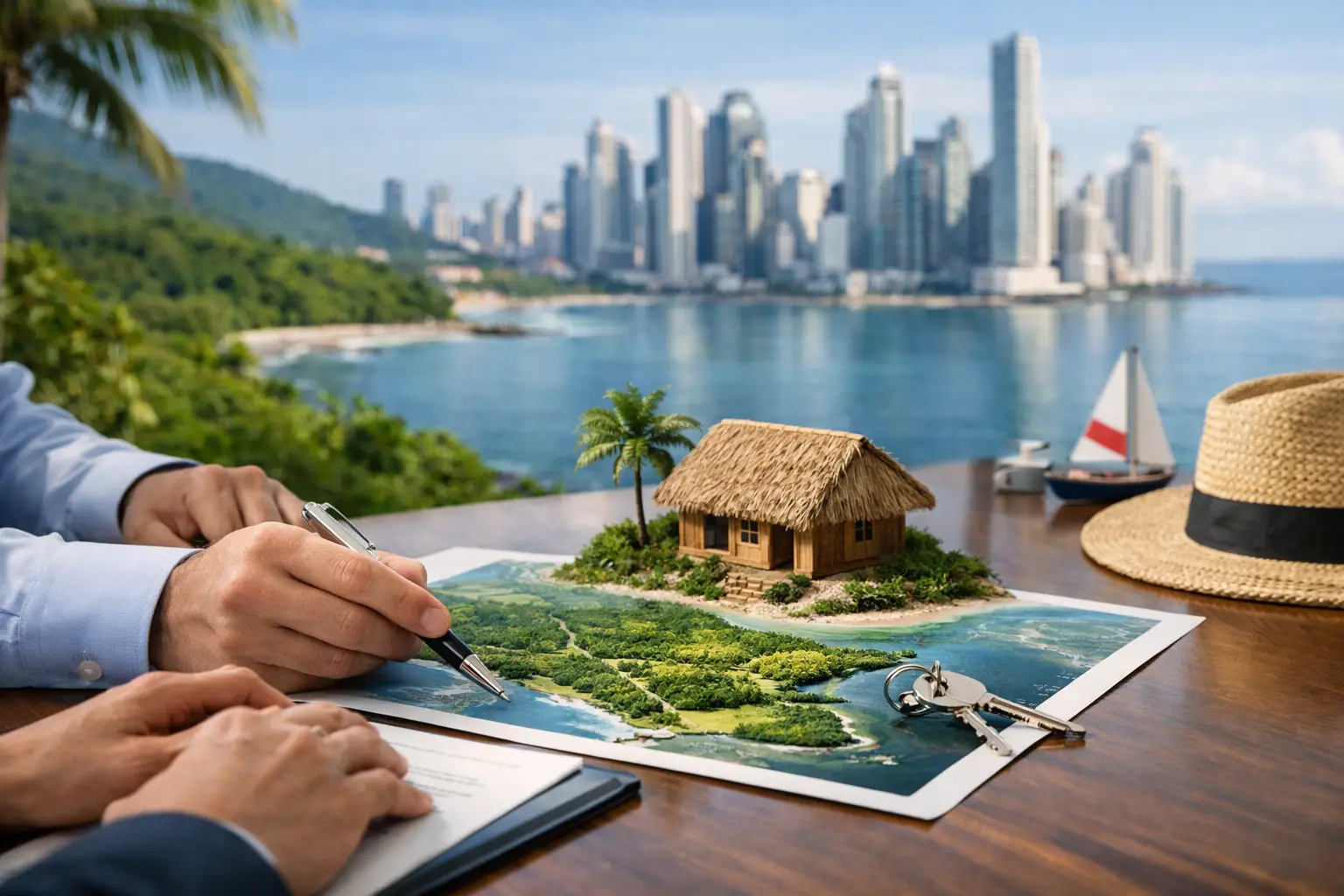
A beautiful view, a low asking price, and a seller who says the paperwork is “in process” can be a costly combination. Knowing how to buy land in Panama means looking beyond the acreage and asking the right questions before money changes hands. The country offers real opportunity for retirees, families, investors, and developers, particularly in growth markets across Chiriquí, but each property deserves its own careful review.
Foreign buyers can generally own property in Panama in their own name, with many of the same ownership rights as Panamanian citizens. That accessibility is one reason buyers from the United States look closely at areas such as Boquete, Tierras Altas, David, and Puerto Armuelles. Still, a successful purchase depends on title quality, access, zoning, utilities, topography, and a closing process managed by qualified local professionals.
Start With the Land’s Purpose, Not the Listing
Land is not one category. A compact lot in Boquete with municipal water and paved-road access serves a very different purpose from a larger agricultural parcel outside David or a coastal tract near Puerto Armuelles. Before viewing properties, define what the land must do for you.
Are you planning to build a primary residence within two years? Hold land for future appreciation? Develop rental homes? Farm, create an eco-lodge, or divide a larger tract? Your answer affects the location, budget, legal review, and infrastructure requirements.
For example, a retiree may value cooler temperatures, medical access, reliable utilities, and proximity to services in Boquete or Volcán. An investor may prioritize road frontage, future growth corridors, parcel configuration, and the cost of extending utilities. A buyer seeking privacy may accept a longer drive but should not assume that a dirt road is public, maintained, or legally usable.
This first step also protects your budget. The purchase price is only part of the investment. Depending on the property, you may need to account for site preparation, drainage, retaining walls, a water system, septic design, electrical connection, internet, road improvements, surveys, legal fees, and transfer-related costs. A lower-priced parcel can become the more expensive choice once development realities are clear.
Choose the Right Area in Chiriquí
Chiriquí offers meaningful variety within a relatively manageable region. Local knowledge matters because microclimates, road conditions, elevations, and buyer demand can change quickly from one community to another.
Boquete remains attractive for its mountain climate, international community, restaurants, services, and established residential market. Land close to town is often limited and priced accordingly, while outlying areas can offer more space with different access and utility considerations.
Tierras Altas, including Volcán and Cerro Punta, appeals to buyers seeking cooler weather, agricultural potential, and dramatic highland scenery. It can be an excellent fit for the right buyer, but rainfall, terrain, road access, and agricultural use restrictions should be reviewed property by property.
David is Chiriquí’s commercial center. Buyers who want access to hospitals, shopping, the airport, and year-round city services may find opportunities in and around David, including land suited to residential development or commercial activity. Puerto Armuelles and nearby coastal areas may appeal to those seeking warmer weather, larger parcels, or long-term coastal growth potential.
There is no single “best” area. The best location is the one that supports your intended use without creating surprises after closing.
Verify Ownership Before You Negotiate Too Far
The most important part of buying land is confirming what the seller actually owns and whether the property can be transferred cleanly. Do not rely only on a copy of a deed, a hand-drawn map, a tax receipt, or verbal assurances. A professional title review should confirm the ownership record, registered boundaries, liens, mortgages, legal claims, restrictions, and the seller’s authority to sell.
In Panama, many buyers look for titled property, known as propiedad titulada. A titled parcel is registered in the Public Registry and generally provides the clearest framework for a conventional sale. However, the existence of a title does not eliminate the need for due diligence. The registered description must still match the land you are being shown, and the seller’s name, marital status, corporate authority, and outstanding obligations all matter.
Buyers may also encounter rights of possession, often called derecho posesorio. These properties can be less expensive and are common in certain rural or coastal areas, but they carry a different level of risk. Possession rights are not the same as registered title. The history of occupation, documentation, neighboring claims, government recognition, and potential path to titling need thorough legal analysis. For many first-time international buyers, titled land is the more straightforward route.
Be especially cautious with land near borders, coastlines, rivers, protected areas, and indigenous comarcas. Panama has restrictions and special rules in certain zones. A property’s marketing description may not explain those limitations fully.
Confirm Physical Access and Boundaries on the Ground
A title can look clean on paper while the land presents practical problems. One of the most common issues is access. Ask whether the parcel has direct frontage on a public road or a recorded legal easement. If access crosses another owner’s property, the right to use that route should be documented, not assumed because “everyone has always used it.”
A current survey is equally valuable. It can help establish whether fences, driveways, streams, buildings, and neighboring uses align with registered boundaries. In rural areas, markers may be old, missing, or inconsistent with what a buyer sees during a visit.
Walk the land in different conditions when possible. A peaceful creek in the dry season may change dramatically during heavy rain. A steep slope can affect construction costs. A view can be vulnerable if the land in front of it is undeveloped and unprotected. Ask about drainage, soil conditions, flood history, erosion, and the cost of building a usable entrance.
Check Utilities, Zoning, and Buildability
Never assume that electricity, water, internet, and permits are readily available because nearby homes have them. The distance to a power connection, the capacity of the system, and the cost of installation can change the economics of a purchase. Water deserves particular attention. Find out whether service is municipal, community-managed, private, well-based, or dependent on another source, and confirm the reliability of that supply.
Ask local professionals to review the property’s permitted use and any relevant zoning or municipal requirements. The answer may depend on the district and the nature of the project. A buyer planning one home has different needs from someone planning multiple cabins, a subdivision, a warehouse, or a tourism business.
For development land, obtain realistic advice before closing on subdivision potential, road requirements, drainage, environmental considerations, and the approvals that may be needed. Do not build your investment model around an assumed number of lots or units until that assumption has been tested locally.
Make an Offer That Protects You
Once a property has passed the initial review, the offer or promise-to-purchase agreement should clearly state the price, deposit amount, payment schedule, closing timeline, and conditions that must be satisfied before you are obligated to complete the transaction.
Well-written conditions can include satisfactory title verification, survey review, confirmation of legal access, and any specific due diligence needed for your intended use. The goal is not to complicate a fair transaction. It is to ensure that your deposit and purchase decision are tied to verifiable facts.
Use an independent Panamanian attorney to represent your interests. Your broker or advisor can help identify opportunities, negotiate commercial terms, coordinate information, and keep the transaction moving, but legal counsel should conduct the legal review and prepare or review the documents that protect you. The seller’s attorney represents the seller, even when everyone involved is professional and cooperative.
Close With a Clear Record of Every Step
The final sale is typically formalized through a public deed before a Panamanian notary and then registered in the Public Registry. Your attorney should explain the structure of the purchase, whether you are buying personally or through a corporation, and the applicable taxes, fees, and registration costs before closing.
Keep complete records: the signed agreement, proof of payments, title documents, survey, tax information, utility details, permits, and closing documents. If you will own the property from abroad, establish who will monitor taxes, maintenance, security, utility bills, and any rental or construction activity. Land ownership is not passive simply because the parcel is vacant.
A practical due diligence file should include at least the following:
- Public Registry title and lien review
- Survey and boundary confirmation
- Proof of legal road access
- Utility and water availability review
- Zoning, use, and permit considerations
- Tax status and closing cost estimate
The strongest land purchases are rarely the ones made fastest. They are the ones where the buyer understands the land, the documents, and the local market well enough to move forward without guesswork. With experienced guidance in Chiriquí and a disciplined review process, you can focus on the opportunity in front of you rather than the problems that should have been caught before closing.

Leave a Reply