Potrerillos Real Estate: A Smarter Way to Buy

Potrerillos Real Estate: A Smarter Way to Buy

Potrerillos is not a market for buyers looking for a polished, uniform subdivision with identical homes and predictable lot lines. It is a highland area where elevation, road access, water, views, and the exact location of a property can change the ownership experience dramatically. That is precisely why Potrerillos real estate appeals to people seeking a cooler climate, open land, privacy, and a more personal connection to Chiriquí – and why local guidance matters before an offer is made.

For retirees, families, investors, and buyers relocating from the United States, Potrerillos can offer a compelling alternative to denser or more established mountain communities. The opportunity is real, but the best purchase is rarely the one with the most impressive online photo. It is the property that fits your intended use, your budget for improvements, and your long-term plan in Panama.

Why Buyers Are Looking at Potrerillos Real Estate

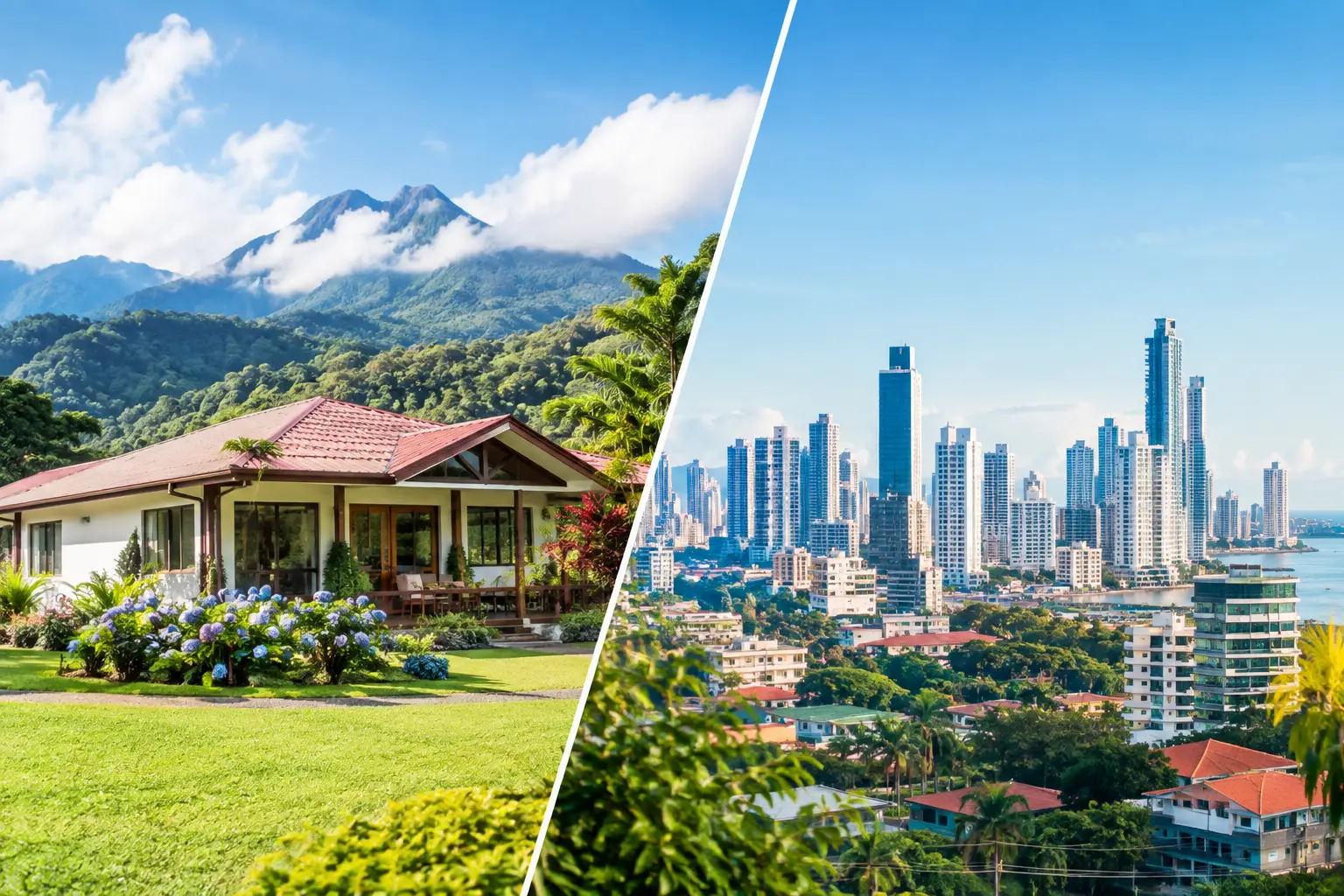
Located in the Chiriquí highlands near Volcán Barú, Potrerillos is known for its temperate conditions, agricultural character, and mountain landscapes. Depending on the specific sector and elevation, buyers can find cooler weather than in David, generous land parcels, mature vegetation, and views that are difficult to reproduce in more developed locations.

The area is often considered by people who want room for a residence, a garden, horses, small-scale agriculture, or a future guest casita. It can also appeal to investors who see value in land held over time, especially when the parcel has reliable access, usable topography, and a clear legal profile.

That said, Potrerillos is not one single experience. A property near services and a paved route may suit a full-time resident who values convenience. A larger parcel farther into the countryside may be better for an owner who prioritizes privacy and accepts more responsibility for maintenance, transportation, and oversight. Neither choice is automatically better. The right decision depends on how you expect to live on the property.

Start With the Purpose of the Purchase

Before comparing listings, define what the property must do for you. A couple planning a retirement home has different priorities from an investor seeking rental income or a developer evaluating a land project. This sounds basic, but it prevents buyers from being distracted by acreage or views that do not support their actual goals.

A primary residence usually calls for practical features: dependable road access in rainy weather, proximity to groceries and medical services, internet availability, manageable maintenance, and a home design suited to the local climate. A weekend property may allow more distance from town, but it still needs a realistic plan for security and caretaking when vacant.

For an income-producing property, the question becomes more specific. Who is the likely tenant or guest? Long-term renters, vacation visitors, agricultural operators, and expatriate residents do not all want the same location or amenities. Rental projections should be based on comparable properties, seasonal demand, operating costs, furnishing needs, and management requirements – not just a hoped-for nightly rate.

Land buyers should also distinguish between land they want to enjoy and land they expect to develop. A parcel may be beautiful yet expensive to grade, subdivide, service, or improve. The difference can have a major effect on the true cost of the investment.

The Details That Can Change a Property’s Value

In highland markets, the listing price is only the first number to study. A lower-priced property may require significant work before it becomes comfortable or marketable. A property priced higher may justify its value through legal clarity, established utilities, road frontage, a well-built home, or a location that remains accessible year-round.

Access Is More Than a Road on a Map

Ask how the property is reached during both dry and wet seasons. Is the final approach paved, gravel, steep, narrow, or shared with neighboring owners? Who maintains it? Is there a recorded right of way where one is needed?

Access affects construction costs, daily convenience, rental appeal, and future resale. Buyers should visit at different times when possible and avoid assuming that a drive completed on a sunny day tells the whole story.

Water, Power, and Internet Need Verification

Do not rely on general statements that utilities are “nearby.” Clarify whether the property has an existing legal water connection, a private well, a spring, storage capacity, or another source. Water quality, reliability, and the cost of improving the system deserve attention, particularly for larger homes, gardens, or agricultural use.

Power availability should be confirmed at the property line or existing structure, along with the expected cost of extending service if necessary. Internet options also vary by location. For remote workers and owners managing businesses abroad, this is not a small detail. Verify actual service rather than relying on a mobile signal during a brief showing.

Topography, Drainage, and Microclimate Matter

A hillside view can be exceptional, but slopes may increase building complexity, drainage requirements, and maintenance. Flat usable land may have more practical value than a larger parcel with limited buildable area. During inspections, pay attention to drainage patterns, retaining walls, soil conditions, and signs of runoff.

Microclimates deserve equal consideration. One section of Potrerillos may feel cooler, wetter, windier, or more exposed than another. That affects heating preferences, landscaping, crop potential, roof maintenance, and everyday comfort. Spend time on the property rather than judging it only from a listing description.

Legal Due Diligence Is Part of the Investment

Panama welcomes foreign property ownership, but every buyer should approach a transaction with disciplined due diligence. Title status, boundaries, survey information, registered easements, tax history, permits, and any restrictions should be reviewed before funds are committed. If a property is held through a corporation, buyers should also understand exactly what is being acquired and why that structure is being used.

Land in rural or semi-rural settings may involve additional questions regarding access, water, agricultural use, and subdivision potential. Never assume that a neighboring fence represents the legal boundary or that a parcel can be divided simply because nearby land has been divided in the past.

An experienced local real estate advisor can help identify the questions early, coordinate with the appropriate legal and technical professionals, and keep the process organized. Nikolai Candanedo brings the regional perspective buyers need when comparing lifestyle appeal with the practical facts behind a purchase.

What Sellers Should Understand About This Market

Potrerillos sellers often have a meaningful story behind their property: years spent building a home, cultivating gardens, improving access, or creating a private retreat. That story helps buyers picture the lifestyle, but it must be supported by clear facts.

A strong sale preparation process starts with accurate documentation and a realistic assessment of the property’s condition. Sellers should be ready to explain the water source, road arrangements, utility costs, internet service, annual property taxes, and improvements made over time. If a home has a special feature such as a greenhouse, workshop, orchard, guest unit, or backup power system, document its condition and function.

Pricing requires care. Comparable sales in a highland market are not always perfectly alike because lot size, elevation, access, and construction quality can vary widely. An asking price that ignores those differences may sit too long. A market-informed price, professional presentation, and direct answers to buyer questions are more likely to create confidence.

Plan for Ownership After Closing

For international buyers, closing is the start of ownership, not the end of the process. A vacant home requires regular checks, preventive maintenance, bill payment, landscaping, and someone who can respond when a repair is needed. A rental home requires tenant communication, collection procedures, property inspections, and clear expectations.

This is where concierge-style support and property management can protect both the property and the owner’s peace of mind. It is especially valuable for buyers who will spend part of the year outside Panama or who purchase land before they are ready to build.

The strongest Potrerillos purchase is one that still makes sense after you account for access, utilities, legal review, improvements, and ongoing care. Take the time to walk the land, ask direct questions, and look beyond the view. A well-chosen property in Potrerillos can become more than a transaction – it can be a lasting home, a carefully held investment, or the foundation for the next chapter you came to Chiriquí to create.

Real Estate in Potrerillos for Confident Buyers

Real Estate in Potrerillos for Confident Buyers

Potrerillos is not a place buyers choose by accident. Set on the slopes of Volcan Baru in Chiriqui, it appeals to people who want cooler air, mountain views, productive land, and more breathing room than Panama City or even nearby David can offer. Real estate in Potrerillos can be an exceptional fit for a retirement home, a family residence, a small agricultural project, or a long-term land investment, but the right property depends on details that do not always appear in a listing.

For buyers coming from the United States, Canada, or another part of Panama, the opportunity is easy to understand. The area offers a highland lifestyle within practical reach of David, where hospitals, shopping, banking, and domestic air connections are available. The work is understanding each micro-location, confirming what can be built, and making sure access, utilities, and title support the life or investment you have in mind.

Why Potrerillos Attracts Serious Buyers

Potrerillos is generally associated with a quieter, greener side of Chiriqui. The community sits in a highland environment east of Boquete, with rural roads, farms, forested areas, and homes that range from simple local residences to substantial country estates. Its elevation can bring more moderate temperatures than the lowlands, a meaningful advantage for buyers who prefer a cooler climate without leaving Panama.

The setting also creates a different pace of life. A buyer may wake up to mountain views, birdsong, and agricultural activity rather than traffic. That appeal is real, but it should be evaluated alongside practical expectations. Potrerillos is more rural than David, and in many locations more spread out than Boquete. A property that feels perfectly private to one buyer may feel too remote to another.

This is why local guidance matters. Potrerillos Arriba, Potrerillos Abajo, and nearby areas can differ significantly in elevation, road quality, views, water availability, neighborhood character, and travel time to daily services. A broad search for “Potrerillos” is only the beginning. The decision should be made at the property and access-road level.

Real Estate in Potrerillos: What Creates Value

Land is often the first attraction. Buyers may find larger parcels than in more established highland markets, with room for a home, gardens, fruit trees, horses, guest cottages, or a future rental unit. Depending on location and terrain, a parcel may also offer open views toward the mountains or valley.

Yet acreage alone does not determine value. Usable topography matters. A steep parcel can be beautiful, but it may require more expensive site preparation, retaining work, drainage planning, and access improvements before construction begins. A flatter lot may be more practical for a residence, but it could have less privacy or a less dramatic view. There is no universal winner – the best choice depends on whether your priority is lifestyle, construction efficiency, agricultural use, or long-term appreciation.

Road access deserves equal attention. Ask whether the final approach is paved, gravel, or seasonal dirt road, and visit after rain if possible. A property can be close to the main road on a map while still requiring a vehicle with suitable clearance for comfortable year-round access. Buyers planning to rent a home should consider this carefully, because tenants and guests often value convenience as highly as scenery.

Water is another major value driver. Some properties have dependable water connections, while others rely on wells, springs, storage tanks, or systems shared within a community. The source, capacity, reliability during dry months, and costs of any needed improvements should be understood before a buyer commits. For agricultural land or homes with gardens and guest accommodations, water planning is not a minor detail. It shapes what the property can realistically become.

Buying a Home, Land, or Income Property

A completed home can be the simplest route for a buyer who wants to relocate or enjoy a second residence without managing construction. The right inspection remains essential. Mountain climates, rainfall, and rural conditions can affect roofs, drainage, septic systems, retaining walls, electrical installations, and exterior finishes. A well-built home with sensible maintenance may be far more valuable than a newer property with unresolved site issues.

Vacant land gives buyers more control, especially when they have a clear vision for a custom home or small development. It also requires more patience. Before viewing land as a bargain, estimate the full path from raw parcel to usable property: roadwork, utilities, surveys, design, permits, construction, landscaping, and contingency funds. A lower purchase price can be attractive, but it should not hide the true cost of development.

For investors, rental potential exists, though it should be approached with discipline rather than assumptions. Potrerillos may appeal to long-stay visitors, retirees seeking a quiet highland setting, and tenants connected to the broader Chiriqui region. Demand can be more specialized than in central Boquete or David, however. A luxury vacation home, a furnished long-term rental, and a modest country residence will attract different audiences and carry different operating costs.

The strongest investment analysis looks beyond projected rent. Consider occupancy patterns, furnishing requirements, maintenance, management, utility costs, access, internet reliability, and the time required to respond to tenant needs. Owners living abroad should also decide early whether they need local property management, rental collection support, and a trusted contact for maintenance coordination.

Title, Boundaries, and Due Diligence Are Not Formalities

A beautiful view does not replace legal and technical verification. In Panama, a buyer should confirm the property’s title status, registered owner, boundaries, liens, access rights, and any restrictions affecting intended use. The purchase process should be coordinated with qualified legal support and a careful review of documentation before funds are committed.

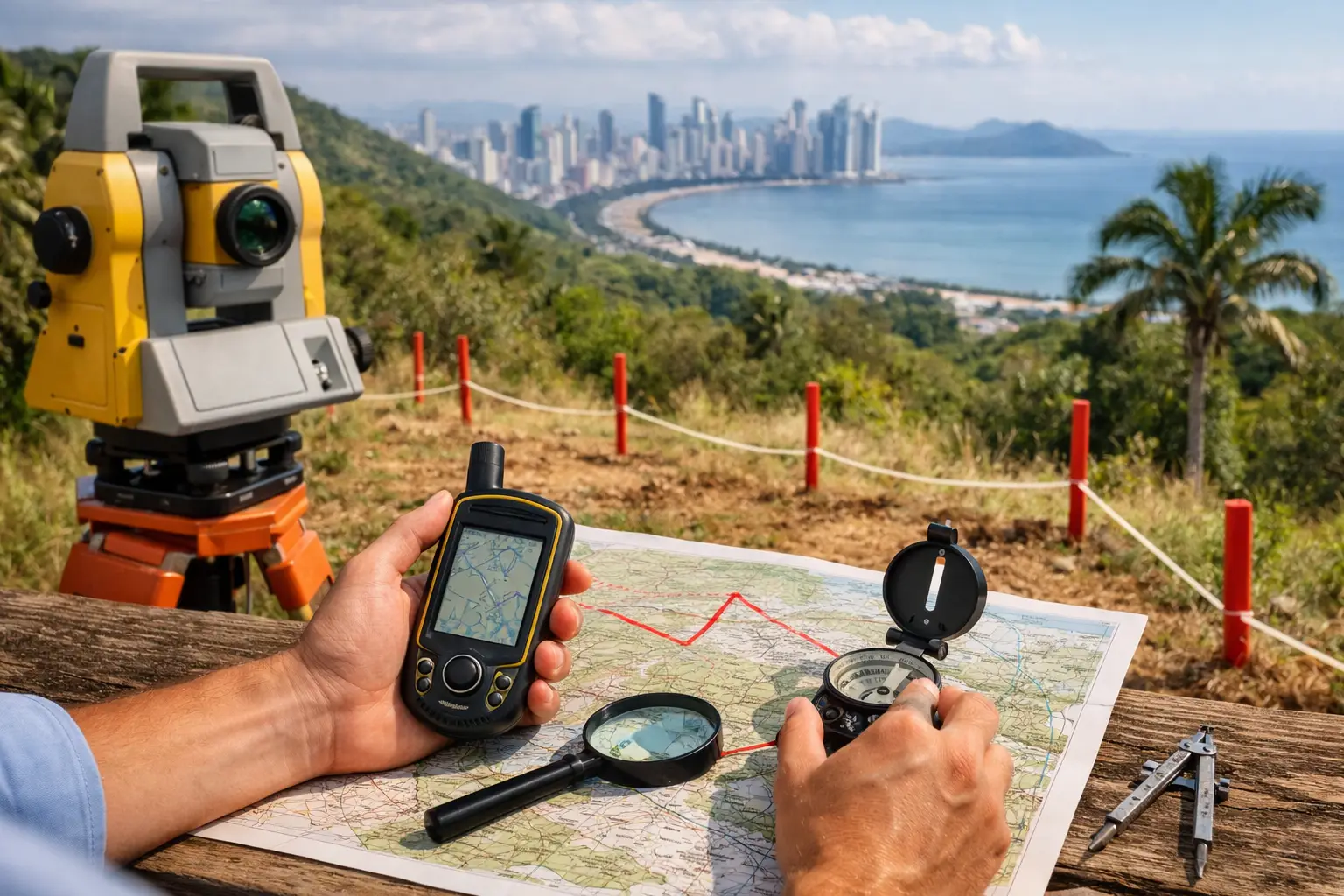
Physical boundaries also deserve a site visit. Fences, markers, and local descriptions do not always match the registered dimensions or a buyer’s assumptions. A current survey can be especially valuable for land purchases, larger parcels, or properties where future construction is planned. If you intend to add a guesthouse, divide a parcel, operate a rental, or develop multiple homes, investigate feasibility before making an offer, not afterward.

Foreign buyers can own property in Panama, but cross-border buyers should never treat the transaction as a casual extension of a purchase back home. Banking, closing procedures, corporate ownership structures, tax considerations, and document requirements can all affect the process. Clear professional coordination protects both the investment and your peace of mind.

A Better Way to Evaluate Properties

The most productive property search begins with a practical brief. Decide how often you will use the property, how much driving you are comfortable with, whether you need reliable high-speed internet, and what type of terrain you can maintain. Be honest about whether you want privacy or isolation. They are not the same thing.

It also helps to visit at different times of day. Morning weather, afternoon rain, road conditions, neighborhood sound, and the actual drive to David can change the feel of a property. Ask nearby residents about water, road maintenance, power interruptions, and the rhythm of the area. These conversations often reveal the details that make ownership easier.

An experienced advisor should help you compare properties based on the complete picture, not simply encourage the fastest purchase. Nikolai Candanedo’s approach is built around that kind of hands-on support: connecting local market knowledge with the personal goals behind each transaction. For a buyer seeking a home, land, or income-producing asset, the right guidance can turn a promising view into a well-supported decision.

The Potrerillos Opportunity Is Personal

Potrerillos is unlikely to be the best choice for someone who wants walkable restaurants, immediate city conveniences, and a highly urban social calendar. It can be an outstanding choice for buyers who value land, climate, privacy, and a genuine connection to Chiriqui’s highland landscape.

Take the time to define what ownership should feel like five years from now. If the property, access, infrastructure, legal position, and local setting all support that vision, Potrerillos can offer far more than a place to buy – it can become a property you are genuinely confident to own.

Chiriqui Property Management Review for Owners

Chiriqui Property Management Review for Owners

A strong chiriqui property management review should not begin with a promise of high rental returns. It should begin with a more practical question: who will protect your property, communicate clearly, and make sound decisions when you are not in Panama? For owners living abroad, spending only part of the year in Chiriquí, or holding an income property as an investment, management is the service that determines whether ownership feels rewarding or unnecessarily difficult.

Chiriquí has real opportunity, but it is not one uniform rental market. A furnished home in Boquete, a long-term residence in David, land with a caretaker in Tierras Altas, and a coastal property near Puerto Armuelles each require different attention. The right manager understands those distinctions and treats your property as an individual asset, not another address on a spreadsheet.

What a Chiriqui Property Management Review Should Measure

Property management is often judged by one visible result: whether the property is rented. Occupancy matters, but it is only one part of the picture. A manager can fill a property quickly with the wrong tenant, accept unclear maintenance costs, or fail to document the condition of the home. Those problems may not appear until rent is late, repairs become expensive, or an owner decides to sell.

A useful review looks at the quality of oversight behind the rental income. Ask how tenants are screened, how lease terms are handled, how often the property is inspected, and what happens when there is an urgent maintenance issue. Owners should also understand who receives rental payments, when funds are transferred, and what reports are provided each month.

Local presence is especially valuable in Panama. A property manager may need to meet a contractor, inspect a water issue after heavy rain, coordinate access for a utility technician, or speak directly with a tenant before a small concern becomes a major disagreement. These are not tasks that can be managed well by occasional messages alone.

The Core Services Owners Should Expect

The details of a management agreement vary by property type and location, but reliable service generally covers the full operating cycle. That includes marketing and showing the property when appropriate, tenant screening, lease coordination, rent collection, basic property inspections, maintenance coordination, and regular owner communication.

For an investment property, rent collection deserves close attention. The process should be consistent, documented, and respectful. A manager should not simply notify an owner that payment was received. The owner needs a clear record of rent collected, commissions or management fees, approved expenses, maintenance invoices, and the amount available for transfer or reinvestment.

Maintenance is another area where vague arrangements create frustration. No owner expects a manager to predict every repair. What matters is whether the manager identifies problems early, obtains reasonable estimates when needed, explains the options, and keeps the owner informed before major work proceeds. A reliable local manager also knows the difference between a cosmetic request, a necessary repair, and an improvement that may increase rental appeal or resale value.

For vacant homes, management can extend beyond rentals. Periodic inspections, vendor access, bill coordination, cleaning arrangements, and preparation for an owner’s arrival can protect a property that might otherwise sit unattended for months. This concierge-style support is often as valuable to a second-home owner as tenant placement is to an investor.

Why Chiriquí Requires Regional Knowledge

Chiriquí attracts a broad range of buyers and renters. Boquete has a well-known international community and demand for climate, mountain views, and convenience. David offers a more urban market with access to hospitals, shopping, schools, and business activity. Tierras Altas appeals to buyers who value cooler temperatures, agricultural land, and a quieter setting. Puerto Armuelles presents a different coastal proposition, with its own tenant profile, property conditions, and infrastructure considerations.

A management plan should reflect where the property sits within that regional landscape. For example, a furnished home designed for retirees may need a different leasing strategy than a practical long-term rental for a local professional family. A property near town services may command a different rate than a beautiful home that requires more driving, specialized upkeep, or careful management of access during the rainy season.

This is why an online estimate or broad Panama rental average is not enough. Pricing needs to account for the home’s condition, furnishings, utilities, road access, neighborhood, security features, and the type of tenant most likely to value it. Overpricing can leave a home vacant. Underpricing may attract interest quickly but reduce the return on an asset that has real market advantages.

Questions to Ask Before You Sign

Before selecting a property manager, request direct answers rather than general assurances. Ask who will be your day-to-day contact, how quickly inquiries are typically answered, and whether the same person can visit the property when an issue arises. It is also wise to ask how tenant screening is documented and whether there is a clear lease process for the kind of rental you plan to offer.

You should understand maintenance authority in writing. Many owners authorize a manager to handle smaller repairs up to an agreed amount, while requiring approval for larger expenses. The appropriate amount depends on the property and the owner’s preferences, but the principle is the same: both parties should know when a decision can be made locally and when the owner must be consulted.

Ask for an example of the financial reporting you will receive. It does not need to be complicated. It does need to be understandable. A monthly statement should show money in, money out, and the supporting details behind each expense. If a manager cannot explain how records are handled before you sign, the process is unlikely to become clearer after the property is occupied.

Finally, discuss the end of a tenancy before the first tenant moves in. Who performs the final inspection? How is damage documented? What is the process for returning a deposit? How are cleaning, repairs, or new marketing handled between tenants? Clear procedures protect the property, the tenant relationship, and the owner’s ability to plan ahead.

The Trade-Off Between Cost and Accountability

The lowest management fee is not always the lowest-cost choice. A reduced fee can be attractive, particularly for a property with a dependable long-term tenant and few expected maintenance needs. But it may also mean limited inspections, delayed communication, or a manager who is handling too many properties to give yours meaningful attention.

On the other hand, a higher fee should be supported by defined service, responsive communication, and local accountability. Owners should be cautious of broad promises without a written explanation of what is included. Does the fee cover regular inspections? Is tenant placement separate? Are maintenance coordination, bill payment, or owner arrival services billed independently? There is no single correct structure, but there should be no confusion.

The best arrangement is often one that matches the owner’s goals. A hands-on investor may want detailed approval rights and frequent reporting. A retiree who spends summers in the United States may value a trusted local representative who can manage practical matters without requiring constant input. A developer or landowner may need periodic site checks rather than residential tenant management. Good management begins by defining the assignment correctly.

A Relationship-Based Standard for Remote Owners

For international owners, property management is built on trust earned through consistent action. Time zones, language differences, banking questions, and unfamiliar local procedures can make a small issue feel larger than it is. The manager’s role is to bring clarity, not add another layer of uncertainty.

That means communicating early, documenting decisions, and giving owners the local context needed to make practical choices. It also means recognizing when a property concern is tied to a larger investment decision. A recurring repair issue, extended vacancy, or changing tenant demand may indicate that the rental strategy, improvements, or even the property’s future sale position should be reviewed.

With market experience in Chiriquí dating back to 1997, Nikolai Candanedo approaches ownership support as a long-term relationship, not a transaction that ends when keys change hands. The goal is straightforward: help owners maintain control of their asset while benefiting from informed, on-the-ground guidance.

A property in Chiriquí can support income, lifestyle, or a future relocation plan. Choose management that gives you clear records, practical local oversight, and the confidence to make decisions from wherever you call home.

How to Sell a Home in Panama: Seller Plan

How to Sell a Home in Panama: Seller Plan

A home in Boquete can attract a retiree looking for spring-like weather. A property in David may appeal to a family or investor focused on services, growth, and rental demand. In Tierras Altas, land, views, and agricultural potential can carry the conversation. That is why the question how to sell home Panama cannot be answered with a generic listing strategy. To sell a home in Panama well, you need a clear position in the local market, complete documentation, and a plan that inspires confidence in buyers who may be viewing from another country.

A successful sale begins long before a buyer makes an offer. It begins with understanding what your property is worth today, what makes it distinct, and what must be resolved before a serious buyer starts due diligence.

How to Sell a Home in Panama Starts With Positioning

The fastest way to lose momentum is to price from emotion, a past purchase price, or a number borrowed from an unrelated listing. Sellers often see asking prices online and assume those figures reflect completed sales. They may not. A home can sit on the market for months because its price does not match its location, condition, title status, access, or buyer demand.

A realistic pricing analysis should compare properties that buyers would genuinely consider instead of yours. In Chiriquí, that means looking beyond bedroom count and land size. Road access, water supply, elevation, internet availability, drainage, views, proximity to town, and construction quality can materially affect value. A mountain home near Boquete is not interchangeable with a house in David, even if the square footage is similar.

Price also depends on your objective. If you need to sell within a defined timeframe, the market strategy may differ from that of an owner willing to wait for a specific buyer. Neither approach is automatically right, but the decision should be deliberate. A well-priced home creates inquiry and competition. An overpriced home can become stale, forcing a larger adjustment later.

Prepare the Property Buyers Will Actually See

International buyers are often cautious because they cannot inspect a home every weekend. The listing must answer their practical questions before they board a plane. Clean presentation is not cosmetic work alone. It signals that the property has been cared for and that ownership may be organized.

Start with repairs that affect first impressions and inspections: roof concerns, exterior paint, gates, drainage, cracked tiles, plumbing leaks, damaged screens, and neglected landscaping. Then remove excess furniture and personal items so rooms feel usable in photographs and during showings. For rural or hillside properties, make access clear and safe. A beautiful view has less impact if a buyer cannot comfortably reach the home.

Professional photography matters, particularly for homes marketed to buyers from the United States, Canada, and other overseas markets. Images should show the setting as well as the interior. A property’s relationship to town, mountains, gardens, roads, and nearby services is often part of its value proposition. Accurate floor plans, measurements, and descriptions prevent disappointment and filter out poorly matched inquiries.

Do not hide defects in the hope that they will not surface. Most serious buyers will investigate. Disclose known issues early and explain what has been repaired or maintained. Transparency protects the negotiation and helps establish trust.

Get Your Panama Sale Documents in Order Early

Documentation is where many transactions slow down. A buyer who is ready to proceed can become hesitant when records are incomplete, taxes are unclear, or title questions arise. Gathering information early gives you time to correct issues without pressure.

Your specific file will depend on how the property is held and whether it is a residence, land, condominium, or investment asset. In most cases, sellers should organize:

  • The registered title deed and current property details
  • A survey or plan where applicable, plus boundaries and access information
  • Evidence of municipal and property tax status
  • Utility records, homeowner association information, and maintenance history
  • Corporate documents if the property is owned through a Panamanian corporation

A qualified Panamanian attorney should review the transaction structure and advise on title, tax obligations, closing requirements, and any special circumstances. This is especially necessary when the property was inherited, is jointly owned, has an existing mortgage, includes multiple parcels, or is held by a corporation. Do not assume a previous purchase process guarantees a simple resale.

If you are selling from abroad, plan for signatures and powers of attorney well in advance. Timing is often manageable, but last-minute document coordination can delay closing and frustrate a committed buyer.

Market the Lifestyle, Not Just the House

A buyer does not purchase a Panama home based on photos alone. They purchase a future routine. They want to know whether they can reach healthcare, shopping, restaurants, schools, beaches, hiking, and airports. They want clarity about climate, neighbors, security, utilities, and the practical cost of ownership.

This is particularly true in Chiriquí. Boquete buyers may value a cooler climate, an active international community, and outdoor living. David buyers may prioritize hospitals, commercial services, accessibility, and year-round convenience. Tierras Altas attracts people seeking cooler temperatures, larger lots, and a more rural lifestyle. Puerto Armuelles may speak to buyers interested in coastal potential and a different pace of life.

Good marketing connects the home to the right buyer profile without making promises that cannot be supported. If the property has rental potential, describe the facts that support it: existing rental history, separate living spaces, demand drivers, or management arrangements. Do not present projected income as guaranteed. Investors appreciate clear numbers, conservative assumptions, and an honest discussion of vacancy, maintenance, and management costs.

Marketing should also reach beyond one channel. Local exposure matters, but international buyers often begin their search online and may need direct guidance before they are ready to visit. Prompt responses, detailed information, video walkthroughs, and coordinated viewing schedules can keep a serious prospect engaged.

Handle Showings and Offers With Discipline

Every showing should be purposeful. Before a buyer arrives, confirm their budget, timing, preferred area, and reason for purchasing. This does not mean turning away anyone who is curious. It means respecting your time and presenting the property to people with a plausible fit.

During a showing, let the home and setting do their work. Give buyers space to look, but be prepared with accurate answers about construction, utilities, taxes, access, furnishings, and neighborhood considerations. If you do not know an answer, say so and provide it afterward. Guessing damages credibility.

An offer is more than a price. Review the proposed deposit, due diligence period, financing or contingency terms, included furniture or equipment, closing date, and conditions related to inspections or title review. A lower offer with a strong deposit, clear timeline, and fewer contingencies may be more valuable than a higher offer with uncertain terms.

Negotiation is where local knowledge and calm communication matter most. Buyers may test the market, particularly when they are unfamiliar with Panama. Sellers should avoid reacting emotionally to an opening offer. Instead, assess the full package and respond with a counterproposal that advances the transaction. The goal is not to win a debate. The goal is to reach a secure, workable closing.

Protect the Closing and the Handover

Once a price is agreed, the work shifts from marketing to execution. The parties should follow a written agreement that clearly identifies the property, purchase price, deposit, conditions, closing date, and responsibilities. The buyer’s attorney will typically conduct due diligence, while the seller must provide requested records and resolve agreed-upon issues.

Keep the home in substantially the same condition through closing unless the agreement says otherwise. Continue paying utilities, association fees, and required taxes as instructed, and retain records. Before handover, confirm which furnishings, appliances, keys, remotes, access codes, manuals, and service contacts are included.

For remote owners, a concierge-style process can make a meaningful difference. Coordinating cleaners, repairs, utility transfers, final meter readings, and property management transitions reduces friction for both parties. It also leaves the buyer with a better first experience of the home they have purchased.

Selling property is personal, but it should never be improvised. With regional market insight, careful preparation, and direct support from an experienced advisor such as Nikolai Candanedo, your sale can move forward with the clarity serious buyers expect. The right next step is to review your home as a buyer would, identify what needs attention, and build a selling plan around the market you are actually entering.

How to Invest in Boquete Property With Confidence

How to Invest in Boquete Property With Confidence

Boquete can look deceptively simple from the outside: cool mountain weather, coffee farms, dramatic green views, and an established international community. But knowing how to invest in Boquete property means looking beyond the view. The right investment depends on your purpose, your ownership timeline, the legal status of the land, and how much support you want after closing.

For some buyers, Boquete is a retirement home with room for visiting family. For others, it is a rental property, a small hospitality concept, or land held for future development. Each path calls for a different location, budget, and due diligence process. A personal, local strategy is what turns a promising listing into a property you can own with confidence.

Start With the Investment You Actually Want

Before reviewing homes or land, define what success looks like. A buyer seeking seasonal rental income should not evaluate property the same way as a buyer planning to live in Boquete year-round. Likewise, a developer looking for future potential needs to think about access, utilities, topography, subdivision possibilities, and market absorption, not only the price per acre.

Residential buyers often prioritize reliable road access, proximity to town, manageable maintenance, and a neighborhood that fits their lifestyle. Rental investors need to evaluate guest appeal, furnishing requirements, operating costs, property management, and how frequently they expect to use the home personally. Land investors should focus first on title, boundaries, water, road frontage, terrain, and the realistic cost of making the parcel usable.

Boquete supports all of these strategies, but no single neighborhood or property type fits every goal. The best purchase is usually the one with the fewest compromises against your intended use.

How to Invest in Boquete Property by Location

Boquete is not one uniform market. Its microclimates, elevations, road conditions, views, and access to services can change significantly within a short drive. A home close to downtown may be convenient for tenants and daily living, while a more elevated property may offer privacy, cooler temperatures, and stronger views at the cost of longer drives and potentially more maintenance.

Areas around Bajo Boquete can appeal to buyers who value walkability, restaurants, medical access, and everyday convenience. Alto Boquete may provide more space and a different price point while maintaining practical access to town. Jaramillo, Volcancito, Caldera Road, and surrounding highland areas each have their own character, from established residential enclaves to rural settings and larger parcels.

Do not purchase solely based on a map pin or photographs. Visit at different times of day. Drive the access road after rain if possible. Notice drainage, traffic, neighboring construction, nearby farming activity, and the actual travel time to groceries, clinics, and town. In mountain markets, these details directly affect resale appeal, tenant satisfaction, and long-term ownership costs.

Put Title and Due Diligence Ahead of Emotion

A beautiful property is not automatically a sound investment. Panama offers opportunities for foreign buyers, but every transaction deserves careful professional review. The most critical distinction is whether a property has properly registered titled ownership or is being offered with rights of possession. These are not equivalent forms of ownership, and they carry different levels of risk, financing options, transfer procedures, and future marketability.

A well-organized due diligence process should examine the property records, ownership history, legal description, survey information, taxes, liens, easements, and any restrictions that could affect your plan. For land, confirm where the boundaries are on the ground rather than assuming a fence line is accurate. For homes, inspect construction quality, drainage, septic systems, water supply, electrical service, and permits where applicable.

A practical review commonly includes these four areas:

  • Registered title information and ownership authority to sell
  • Survey, boundaries, access rights, and road conditions
  • Tax status, liens, restrictions, and any existing contracts
  • Physical condition, utility availability, and maintenance needs

Your real estate advisor, Panamanian attorney, survey professional, and inspector should work from the same facts. This is not the stage to rush. A careful review may feel slower than an emotional offer, but it protects the value you are trying to create.

Calculate Cash Flow With Conservative Assumptions

Boquete can offer rental demand from retirees, relocating families, remote professionals, and visitors drawn to the area’s climate and outdoor lifestyle. Still, rental income should be treated as a business calculation, not a promise. Demand varies by season, property condition, location, price, lease length, and whether the home is furnished and professionally managed.

Start with realistic comparable rents, not the highest advertised rate. Then account for vacancy, repairs, insurance, internet, landscaping, cleaning, furniture replacement, utilities, taxes, and management fees. Mountain homes can have ongoing needs that city buyers may underestimate, including moisture control, roof upkeep, drainage, gardens, retaining walls, and road maintenance.

Long-term rentals can provide more predictable occupancy and lower turnover, while short-term stays may produce higher gross revenue during strong periods but require more active management, furnishing, guest communication, and cleaning coordination. The right model depends on the property and your tolerance for involvement. An owner who lives outside Panama should have a clear plan for rent collection, maintenance approvals, tenant support, and emergency response before buying.

Budget for the Full Cost of Ownership

The purchase price is only one part of the investment. Buyers should plan for closing expenses, legal representation, due diligence, inspections, potential repairs, furnishing, moving costs, and a reserve for the first year. If you are buying land, budget for access improvements, grading, utility connections, retaining work, design, permits, and construction oversight.

A lower-priced property can become expensive quickly if it has difficult access, unresolved title questions, inadequate water, or a house that needs extensive improvements. Conversely, a well-maintained home in a proven location may command a higher initial price but reduce uncertainty and offer better rental or resale appeal.

Currency is another consideration for US buyers. Panama uses the US dollar, which removes one common exchange-rate concern for Americans. That does not eliminate the need for disciplined planning. Use a written acquisition budget and keep a contingency reserve, especially when purchasing a rural home, land, or a property that will be renovated.

Choose a Team That Stays Involved After Closing

Cross-border buyers do not simply need someone to open doors. They need local guidance that continues through the transaction and into ownership. The strongest advisory relationship starts with understanding your goals, then matching you with properties that fit them, not just properties that are available.

After closing, practical support can be just as valuable as the purchase negotiation. Property management, tenant coordination, rental collection, maintenance oversight, and concierge-style assistance can protect an owner who is not living in Boquete full time. This is especially relevant for investors who want income without managing every small decision from another country.

Nikolai Candanedo brings decades of Chiriquí market knowledge to buyers who want clear answers and hands-on guidance from search through ownership. Local experience helps identify not just what a property is worth today, but what could affect its usability, appeal, and costs over time.

Know When to Walk Away

A disciplined investor is willing to leave a deal that does not meet the standard. Warning signs include unclear ownership, pressure to pay before proper review, vague boundary information, access that depends on an informal arrangement, unrealistic rental claims, deferred maintenance, or a seller unwilling to provide documentation.

Walking away is not losing an opportunity. It is preserving capital for the property that truly fits your plan. Boquete has a diverse market, and patient buyers often find better choices once their criteria are clear.

The most rewarding Boquete investment is rarely the one that looks best in a first photo. It is the property that aligns with your life, your numbers, and a careful ownership plan – supported by local professionals who understand the market long after the keys change hands.

Why Use a Real Estate Advisor for Panama?

Why Use a Real Estate Advisor for Panama?

A Panama property can look perfect on a listing: mountain views in Boquete, fertile acreage in Tierras Altas, a rental-ready home in David, or coastal land near Puerto Armuelles. The harder question begins after the first impression: What is the property truly worth, what can be built there, what is required to close, and who will help once the keys are in your hand? That is why use a real estate advisor is more than a search question. It is a decision about how confidently you want to move through a major investment.

For buyers, sellers, investors, and developers, particularly those living outside Panama, the right advisor brings local knowledge into focus. The goal is not simply to complete a transaction. It is to make decisions based on the details that affect value, risk, use, and long-term ownership.

Why Use a Real Estate Advisor in Panama?

Real estate is local by nature. Two homes with similar square footage can have very different values because of road access, water availability, elevation, neighborhood demand, title history, future development, or rental potential. Those distinctions become even more consequential in a market that is unfamiliar to you.

An advisor helps you look beyond asking price. In Chiriquí, that may mean understanding why one Boquete property commands a premium, whether land in Tierras Altas suits agricultural, residential, or development goals, or how demand differs between central David and a more rural setting. A strong recommendation should reflect your intended use, timeline, budget, and tolerance for hands-on ownership.

For an international buyer, local guidance also creates a clearer path through unfamiliar processes. You should still rely on qualified legal, tax, and financial professionals for their respective advice. However, a real estate advisor can help organize the property side of the journey, identify the right questions early, and coordinate the practical steps that can otherwise become overwhelming from abroad.

Market Knowledge Turns Listings Into Decisions

A listing tells you what a seller hopes to receive. Market analysis helps you assess whether that expectation is supported by comparable properties, current demand, condition, location, and realistic buyer or tenant interest.

This matters for every type of client. A retiree relocating to Boquete may prioritize climate, medical access, walkability, and an established community. An investor may be more concerned with acquisition costs, achievable rent, vacancy exposure, property management needs, and resale demand. A developer may need to evaluate access, utilities, topography, nearby growth, and the buyer profile for a future project.

An experienced advisor does not treat these goals as interchangeable. A beautiful parcel of land may be an excellent lifestyle purchase but a poor fit for an investor seeking dependable near-term cash flow. A centrally located rental may produce income but require more active management than an overseas owner expects. Honest advice includes those trade-offs.

Local market experience also protects you from making assumptions based on the U.S. market. Pricing practices, documentation, negotiation customs, property conditions, and the pace of transactions can differ. The best decisions come from current, property-specific information rather than broad claims about Panama real estate.

Guidance Before You Commit

Many costly mistakes happen before an offer is made. Buyers can become attached to a view, a price, or an idea of future income before they have tested the facts behind it. Sellers can set an aspirational price that leaves a property sitting without serious activity. Investors can focus on gross rental income without accounting for operating costs, maintenance, collection, or periods without a tenant.

A real estate advisor helps put the right questions on the table before emotions take over. Is the property aligned with your plan? Does the location support your desired lifestyle or tenant audience? Are access, services, and physical conditions consistent with the price? What is the likely market response if you need to sell later?

For sellers, advisory support begins with positioning. The objective is not always to promise the highest number. It is to establish a credible price and presentation that attracts qualified prospects. The right strategy depends on the property category, local inventory, condition, and whether the owner values speed, price, privacy, or a balance of all three.

Transaction Support Is More Than Paperwork

A purchase or sale has moving parts: property visits, offer discussions, due diligence coordination, negotiations, closing expectations, and communication among the parties involved. An advisor cannot replace a lawyer, but can help keep the real estate process organized and moving with fewer surprises.

This hands-on coordination is especially valuable for clients who are not in Panama full time. You may be managing a job, planning a retirement move, or evaluating several markets at once. It is difficult to make a sound decision when you are relying only on photos, occasional messages, and generic information.

Personalized support means having someone who understands the property, your priorities, and the local context. It means receiving direct answers when a concern arises and candid feedback when a property is not the right fit. Sometimes the best service an advisor provides is recommending that a client wait, negotiate differently, or walk away.

That perspective is built through relationships, not pressure. At Nikolai Candanedo, the work is shaped by decades of regional market knowledge and a belief that clients deserve guidance that extends beyond a single showing or signature.

Why Investors Need an Advisor After Closing

Buying property is only the beginning of ownership. For investors and absentee owners, the day-to-day reality can include tenant communication, rental collection, maintenance coordination, inspections, vendor oversight, and decisions about improvements. Without a local support system, a modest issue can take far more time and money than expected.

This is where advisory and property management services can work together. Before a purchase, an advisor can help you evaluate income assumptions and operational demands. After closing, ongoing oversight can help protect the asset and give you a clearer picture of performance.

Not every investment requires full-service management. A buyer who plans to live in the property may only need help during the search and closing process. An owner with a long-term tenant and trusted local contacts may need limited assistance. But if you live overseas, own multiple properties, or want a more passive role, local management is often worth considering as part of the investment plan rather than an afterthought.

The Right Advisor Should Be Direct, Not Just Enthusiastic

Panama has genuine opportunities, and Chiriquí offers a diverse range of residential, land, agricultural, and income-producing properties. Still, no serious advisor should describe every property as an opportunity for every buyer.

Look for someone who asks about your goals before presenting options. They should be able to explain local differences in plain language, discuss both advantages and limitations, and stay involved through the practical stages of the transaction. They should also understand when other specialists need to be involved.

A valuable advisor will not simply show you what is available. They will help you narrow the market, compare choices on meaningful criteria, and recognize where the numbers or conditions do not support your plan. That may save you from a difficult purchase, but it can also reveal a property that others overlooked because they did not understand its location or potential.

A Better Way to Approach Your Next Property Move

Whether you are selling a family property, relocating to the Chiriquí highlands, purchasing land, or building a rental portfolio, begin with a conversation about outcomes rather than listings. Clarify what you want the property to do for you, where you can be flexible, and what details would make you walk away.

The right real estate advisor brings those priorities into every showing, market comparison, negotiation, and ownership decision. In a region where local knowledge can change the outcome, that guidance is not an extra service. It is a practical foundation for moving forward with greater confidence.

What Documents Do You Need to Buy Panama Property?

What Documents Do You Need to Buy Panama Property?

A Panama property purchase rarely falls apart because a buyer did not bring the right passport copy. It stalls when the paperwork behind the property has not been examined early enough. If you are asking what documents buy Panama property, the practical answer is twofold: you need identification and financial compliance documents as a buyer, while the property itself needs a clear, verifiable legal record before you commit funds.

For buyers from the United States and other international markets, Panama can be a straightforward place to acquire a home, land parcel, condominium, or income-producing property. Foreigners generally have the same property ownership rights as Panamanian citizens, but every transaction deserves careful legal review. This is especially true in Chiriquí, where buyers may be comparing established homes in Boquete, agricultural land in Tierras Altas, residential opportunities in David, or coastal property near Puerto Armuelles.

What Documents Do You Need to Buy Panama Property?

At the buyer level, the starting point is usually simple. An individual purchaser will normally provide a valid passport, proof of address, contact details, and information demonstrating the lawful source of purchase funds. A Panamanian residency visa is not generally required to buy real estate. Owning property and obtaining residency are separate matters, even though property may support certain residency strategies depending on the program and your circumstances.

Banks, attorneys, notaries, escrow providers, and real estate professionals may request additional information under Panama’s anti-money-laundering rules. This is normal due diligence, not a sign that the transaction is unusually difficult. Prepare clear, current records before you make an offer, especially if your purchase funds will move from a US bank or from several investment accounts.

For an individual buyer, the core file often includes:

  • A color copy of your current passport
  • Proof of residential address, such as a recent utility bill or bank statement
  • A bank reference letter or recent account statements
  • Source-of-funds evidence, such as savings statements, investment account records, a sale contract, business income documentation, or inheritance records
  • A completed client information or know-your-client form
  • A signed purchase offer, reservation agreement, or promise-to-purchase agreement when you move forward

The exact request varies by the purchase price, payment structure, and parties involved. Cash purchases are not exempt from compliance requirements. In fact, a cash purchase often requires a particularly clear paper trail showing where the funds originated and how they arrived in Panama.

Buying Through a Corporation

Some buyers acquire Panama property through a corporation for estate planning, privacy, partnership ownership, or operational reasons. A corporation can be useful, but it is not automatically the best answer. It adds annual maintenance obligations, resident agent fees, accounting considerations, and additional documentation at closing. Your Panama attorney and tax advisor should help determine whether personal ownership or corporate ownership fits your plan.

When a corporation is the buyer, expect to provide the entity’s formation documents, certificate of good standing or equivalent registry evidence, bylaws or articles, proof of the authorized signatory, a corporate resolution approving the purchase, and beneficial-owner information. The individuals behind the company will still need to provide passports and source-of-funds documentation.

If the company was formed outside Panama, documents may need apostilles or consular legalization, along with certified Spanish translations where required. Do not wait until closing to organize these records. International corporate paperwork can take longer than the property negotiation itself.

The Documents That Matter Most for the Property

Your personal paperwork allows you to participate in the transaction. The property documents determine whether you should buy it. A capable Panama real estate attorney should obtain and review the relevant records before the deal becomes binding beyond a reasonable deposit.

The first major document is the certificate from Panama’s Public Registry. It confirms the registered owner, the legal description, the property’s recorded history, and whether there are mortgages, liens, annotations, usufruct rights, or other restrictions registered against title. Never rely only on a seller’s statement that a property is free and clear.

The second major item is the cadastral or survey information. The legal description in the Public Registry should make sense alongside the physical parcel, boundary markers, access roads, and actual improvements. On rural land, a survey review is especially valuable. A beautiful parcel may have unclear boundaries, an access route that crosses another owner’s land, or acreage that does not match the marketing description.

A strong due diligence file commonly includes the following property-side records:

  • Current Public Registry certification showing title and encumbrances
  • Cadastral plan, survey, and confirmation of parcel boundaries
  • Municipal property tax clearance, often called a paz y salvo
  • Evidence that utility accounts, homeowner association fees, and condominium charges are current
  • Seller identification or corporate authority documents
  • Building permits, occupancy records, or construction approvals when applicable
  • Copies of leases, rental agreements, or management agreements for income-producing property
  • Environmental, zoning, agricultural, or access information for land purchases

Not every property will require every document. A turnkey condominium in Boquete has a different risk profile from raw land in Tierras Altas. A rental home in David requires review of tenant agreements and payment history. A beachfront or island-adjacent opportunity may require additional scrutiny of concession rights, maritime-terrestrial rules, access, and the precise nature of the interest being sold.

Titled Property Versus Rights of Possession

One distinction deserves special attention: titled property is not the same as rights of possession. Titled property has ownership recorded in the Public Registry. Rights of possession, often described as possession rights, may reflect occupation or use but do not provide the same registered ownership protection.

Possession-rights transactions can be legitimate in specific situations, but they require a more cautious legal analysis. The buyer needs to understand exactly what is being transferred, the history of possession, whether the land can be titled, whether the government or a third party has competing claims, and what limitations may apply. The lower asking price can be attractive, yet the legal and resale trade-offs may be substantial.

For most international buyers seeking a home, retirement residence, or secure long-term investment, registered title is usually the clearer path. If a seller cannot clearly explain the ownership status, that is a reason to pause rather than a reason to rush.

Documents Needed From Offer to Closing

Once the property passes initial due diligence, the transaction usually moves through a written offer or reservation, a promise-to-purchase agreement, closing instructions, and the final public deed. The specific sequence can vary based on the negotiation and whether financing, a corporation, or an international power of attorney is involved.

The promise-to-purchase agreement should identify the parties, property, price, deposit amount, due diligence conditions, closing date, who pays which costs, and the consequences if either side fails to perform. This is not paperwork to treat casually. The deposit terms should be clear, and funds should be handled through an appropriate arrangement rather than sent informally to an unfamiliar party.

At closing, the seller signs the transfer deed before a Panama notary. If you cannot attend, you may be able to grant a power of attorney to your attorney or authorized representative. A power of attorney prepared outside Panama often requires notarization, apostille, and formal handling in Panama. Plan ahead, because an improperly prepared document can delay the signing.

The deed must then be filed and registered with the Public Registry. Signing at the notary is a critical milestone, but registration is what completes the public transfer of title. Keep copies of the registered deed, Registry certification, tax receipts, escrow instructions, and all closing statements in a secure digital and physical file.

Prepare Early, Then Let the Documents Lead

The best Panama buyers do not begin with a stack of forms. They begin with a clear ownership plan, a realistic budget for closing and ongoing costs, and a qualified local team that understands the market where they are buying. That local understanding matters when evaluating water access in the highlands, road conditions on rural parcels, rental demand in David, or neighborhood-level value in Boquete.

Nikolai Candanedo brings long-standing Chiriquí market experience to the buyer journey, helping clients look beyond the listing photos and ask the questions that protect both lifestyle goals and investment value. A personalized review early in the process can prevent expensive assumptions later.

Bring your passport, financial documentation, and a willingness to be transparent with compliance providers. Then insist on equally clear property records from the seller. When the documents match the reality on the ground, you can move toward closing with the confidence that a Panama property purchase deserves.

Brokerage or Property Management in Panama?

Brokerage or Property Management in Panama?

A home in Boquete, a rental in David, or land in Tierras Altas can be a rewarding Panama investment. But owning property from another country changes the questions you need to ask. The choice between brokerage or property management in Panama is not simply about which service costs more. It is about what stage of ownership you are in, how involved you want to be, and who will protect the value of the asset when you are not nearby.

For some clients, the priority is finding the right property and negotiating with confidence. For others, the purchase is complete, but collecting rent, responding to maintenance needs, and keeping a vacant home cared for has become the real concern. Those are different responsibilities, and they call for different types of support.

Brokerage or Property Management in Panama: The Difference

Brokerage is transaction-focused. A broker helps you identify suitable homes, condominiums, commercial opportunities, or land; understand comparable properties; negotiate terms; coordinate due diligence; and move toward a properly organized closing. For sellers, brokerage centers on pricing, presentation, buyer qualification, marketing, and negotiation.

Property management begins after the purchase, or after a rental property is ready to be placed with a tenant. It is an ongoing operational service. Depending on the property and the agreement, this can include tenant screening, rental collection, property inspections, maintenance coordination, owner reporting, and support when an issue requires local attention.

The distinction matters because a strong purchase does not automatically create a well-run rental, and a well-maintained property does not replace careful acquisition advice. A buyer may need brokerage first and management later. A long-time owner who is ready to sell may need management support while the property is occupied, then brokerage expertise when it is time to list.

When Brokerage Is the Right Starting Point

Choose brokerage support when you are still making an acquisition or disposition decision. This is particularly valuable in Chiriquí, where market conditions can vary sharply by micro-location. A mountain-view home outside Boquete, a residential property in David, and agricultural land near Volcán may appeal to different buyers, have different access considerations, and carry very different income potential.

A good broker does more than send listings. The real work is asking the right questions before the search becomes expensive or unfocused. Are you purchasing for retirement, seasonal use, rental income, development, or a future relocation? Will you need paved access, proximity to medical services, reliable utilities, or room for expansion? Is cash flow important immediately, or are you primarily seeking long-term appreciation?

Those answers shape the property search and the negotiating strategy. They also help prevent a common mistake: buying a property that looks attractive online but does not fit the owner’s real-life requirements once they arrive in Panama.

For sellers, brokerage brings market discipline. Price is not determined by what an owner invested, what a neighbor claims to have received, or what a similar property is listed for. It should reflect current buyer demand, condition, location, documentation, and competition. Experienced representation helps sellers position a property honestly while protecting its value during negotiations.

What Property Management Actually Protects

Property management is often misunderstood as a service for large apartment buildings only. In reality, it can be just as valuable for an owner of one home, especially an owner who lives in the United States, Canada, or another part of Panama.

A vacant property needs attention before something goes wrong. Tropical weather, landscaping growth, plumbing leaks, appliance failures, security concerns, and utility issues rarely wait for an owner’s next visit. Regular oversight gives owners a local point of contact and a clearer picture of their property’s condition.

For rental owners, management turns an investment plan into a day-to-day operating process. Rental income only has value when tenants are properly screened, payments are tracked, repairs are handled promptly, and communication remains professional. An empty month, an avoidable repair, or a poorly matched tenant can affect returns far more than many owners expect.

The level of management should match the property. A furnished short-term rental may require frequent turnover coordination and more active guest support. A long-term residential rental may place more emphasis on tenant stability, collection procedures, and periodic inspections. A second home used only a few months each year may need vacancy checks and maintenance coordination rather than full rental management.

That is why a fixed, one-size-fits-all package is not always the best answer. The right plan depends on the property, the owner’s location, expected use, and income objectives.

Rental Income Requires More Than a Good Location

Boquete and the wider Chiriquí region continue to attract retirees, expatriates, professionals, and families looking for a different pace of life. That can create rental opportunity, but no market guarantees occupancy or returns.

Before buying an income-producing property, owners should look beyond the asking price. Consider realistic rental rates, furnishing needs, ongoing maintenance, reserve funds, vacancy periods, property taxes, insurance, utilities, and management costs. A property that produces attractive gross rent can still deliver disappointing net income if expenses and downtime are ignored.

This is where market analysis and cash flow planning provide practical value. The question is not whether a property can rent. The question is whether it can rent consistently at a rate that supports your goals after normal ownership costs. In some cases, a smaller, better-located home with manageable expenses is a stronger investment than a larger property that appeals to a narrow tenant pool.

Why Local Representation Matters in Chiriquí

International buyers often arrive with excellent instincts from their home market. Those instincts are useful, but Panama real estate requires local context. Neighborhood patterns, weather conditions, road access, water sources, land use, buyer preferences, and service availability can all influence value and ownership experience.

Local representation also reduces the distance between an owner and the real condition of a property. A photo or a brief message cannot always tell you whether drainage needs attention, whether a tenant concern is minor or urgent, or whether a contractor’s proposal is reasonable. Hands-on local knowledge creates better decisions because it is grounded in what is actually happening on the property.

Since 1997, Nikolai Candanedo has worked with clients navigating property decisions across the region. That experience is especially useful when a client’s needs evolve. A buyer may first need help locating a residence, then later decide to rent it part-time, acquire adjacent land, or sell and reinvest in another area. Long-term relationships make those transitions more informed and less stressful.

Questions to Ask Before You Choose a Service

Before engaging brokerage or management support, be clear about what success looks like. If you are buying, ask how the advisor evaluates price, condition, rental potential, and location-specific risks. If you are selling, ask how buyer inquiries are qualified and how the listing strategy reflects the current market rather than old assumptions.

If you need management, ask what is included in the service agreement and what requires separate approval. You should understand how rental collection is handled, how maintenance requests are communicated, how often the property is inspected, and what reporting you will receive. Clear expectations are not a formality. They are the foundation of a healthy owner-manager relationship.

Also consider how much control you want to retain. Some owners want to approve every repair and tenant decision. Others prefer to set a budget and rely on local guidance for routine matters. Neither approach is wrong, but the service structure should reflect your preference from the beginning.

The Best Choice May Be Both

For many owners, this is not truly a choice between brokerage and management. It is a sequence. First, use brokerage expertise to buy or sell with clear market information. Then, if you retain the property as a second home or rental, put dependable management in place to protect it.

The value lies in continuity. The person helping you assess a property before purchase should understand your intended use. The team overseeing it afterward should know the standards you expect, your income goals, and the reasons you chose that location. That continuity supports better decisions at every stage of ownership.

Whether you are considering a first Panama purchase, preparing a property for sale, or need dependable oversight from abroad, start with a conversation about your actual goals. The right service should make ownership clearer, more controlled, and better aligned with the future you want to build in Chiriquí.

Panama Closing Costs for Buyers: What to Budget

Panama Closing Costs for Buyers: What to Budget

A Panama property can look attractively priced until the final numbers reach the closing table. Understanding Panama closing costs for buyers before you make an offer protects your budget, strengthens your negotiating position, and prevents a promising purchase in Boquete, David, Tierras Altas, or the coast from becoming an expensive surprise.

The good news is that Panama’s transaction costs are generally understandable when the purchase is structured correctly. The challenge is that costs do not fall into one universal formula. The property type, whether financing is involved, the ownership structure, tax status, and the terms negotiated in the promise-to-purchase agreement all matter.

What Buyers Usually Pay at a Panama Closing

For a cash purchase, a prudent planning range is often roughly 2% to 5% of the purchase price for buyer-side expenses, excluding any deposit that is credited toward the sale price. This is a planning figure, not a fixed rule. A straightforward resale home bought in cash may land toward the lower end, while a financed purchase, a condominium with special requirements, or a transaction involving a corporation can cost more.

The major government transfer and capital gains taxes are customarily paid by the seller in Panama. However, “customarily” is not the same as “guaranteed.” The contract should state clearly who pays every tax, fee, outstanding balance, and proration. Buyers should never assume a seller’s obligation has been handled until their attorney confirms the closing statement and supporting documents.

Attorney’s Fees and Legal Due Diligence

A qualified Panamanian real estate attorney is one of the most valuable costs in the transaction. Legal fees vary by firm, property value, complexity, and the services included, but many buyers budget around 0.5% to 1% of the purchase price, sometimes with a minimum fee.

Your attorney’s job is not limited to preparing paperwork. Proper due diligence should include reviewing the title history, confirming the registered owner, checking for liens, mortgages, legal claims, and restrictions, verifying property tax status, and reviewing permits or condominium documents when applicable. For land, the review may also include access, boundaries, easements, water arrangements, and whether the parcel is properly titled rather than held under a more limited right of possession.

For international buyers, the attorney also explains how funds should be sent, how the purchase will be registered, and whether buying personally or through a corporation fits the client’s long-term ownership and estate-planning goals. A low legal fee is not a bargain if essential review work is left out.

Notary and Public Registry Fees

The final deed must be executed before a Panamanian notary and registered in the Public Registry for ownership to be formally recorded. Notary and registration fees are set according to legal schedules and can depend on the stated transaction value and the documents involved.

These charges are usually modest compared with the purchase price, but they should appear in the closing estimate from the beginning. Your attorney may advance these government fees on your behalf and include them in the final accounting. Ask for them to be shown separately from legal fees so you can see exactly what is being paid to the government and what is being paid for professional services.

Escrow and Fund-Handling Costs

Buyers should use a properly documented payment process, particularly when purchasing from abroad. Depending on the transaction, funds may be held by an attorney, an escrow provider, or another authorized party under written instructions. There may be fees for escrow administration, bank transfers, currency conversion, certified checks, or compliance documentation.

International wire transfers deserve special attention. A bank may request evidence of the source of funds, identification documents, and a copy of the purchase agreement. Preparing these materials early prevents last-minute pressure when the property is ready to close. If you are sending dollars from the United States, Panama’s use of the U.S. dollar eliminates exchange-rate exposure in most ordinary transactions, but your sending bank can still charge fees.

Costs That Depend on the Property

Not every buyer faces the same expenses. A well-planned budget considers the characteristics of the specific property rather than relying only on a percentage estimate.

Property Tax, HOA Fees, and Utilities

At closing, certain recurring costs are commonly prorated between buyer and seller. These can include property taxes, condominium association fees, security or maintenance charges, and sometimes prepaid services. The exact treatment should be written into the contract.

For a condominium or gated community property, request a certificate showing whether HOA dues, special assessments, fines, or other charges are current. A beautiful view in Boquete or a rental-ready unit near David should not come with an undisclosed association balance. Also confirm the monthly fees, what they cover, whether reserves are funded, and whether major capital projects are planned.

Utility accounts may require deposits or transfer fees after closing. These amounts are usually not large, but they are part of the practical cost of taking possession. For homes served by private water systems, wells, septic systems, or community associations, ask how ongoing service and maintenance are managed.

New Construction and Developer Purchases

A developer sale can have a different cost profile than a resale. The contract may include administrative fees, connection charges, delivery costs, condominium setup expenses, or requirements tied to financing. Some developments offer tax incentives or exemptions, but the availability and duration of any benefit must be verified for the individual property.

Buyers should also review construction timelines, warranty terms, specifications, penalties for delay, and what happens if the developer makes material changes. The lowest pre-construction price is not automatically the best value if the agreement gives the buyer limited protection or leaves key costs undefined.

Financing Costs

If you plan to obtain a mortgage in Panama, budget beyond the down payment. Bank financing can add appraisal fees, credit review charges, loan origination fees, insurance requirements, mortgage registration costs, and additional legal work. Lenders may also require life insurance, property insurance, and proof that taxes or HOA dues are current.

Financing availability, rates, and underwriting standards can differ considerably from what U.S. buyers expect. Some foreign buyers choose to purchase in cash because of the added cost and timing of local financing. Others use financing strategically to preserve liquidity. The right decision depends on your cash flow, investment objectives, and tolerance for carrying costs.

Seller Taxes: Why Buyers Still Need to Review Them

Panama’s real estate transfer tax and capital gains obligations are typically associated with the seller. Even so, buyers should pay close attention because unpaid taxes can delay registration or complicate the closing process.

The transfer tax is commonly calculated at 2% of the higher of the sale price or the registered cadastral value. Capital gains tax is generally connected to the seller’s gain, with a standard calculation and possible alternative advance-payment treatment under Panamanian rules. These calculations can be technical, especially where the property has changed hands through a corporation or has an older registered value.

The essential point is simple: make the seller’s tax responsibility explicit, require evidence of payment or proper withholding, and do not release funds casually. A careful closing structure protects both parties, but it is particularly important for a buyer who may be managing the purchase from another country.

Buying Through a Corporation: Lower Taxes or More Complexity?

Some Panama properties are owned by corporations, and buyers are sometimes offered the option to purchase the shares of that corporation instead of receiving a newly transferred deed. This approach may be presented as a way to reduce transfer costs, but it requires much deeper due diligence.

When you buy corporate shares, you may be acquiring the company’s assets, obligations, tax history, contracts, bank relationships, and potential liabilities – not only the property. A corporation that appears clean on the surface can carry unresolved compliance issues or debts. It may also have annual maintenance costs and reporting obligations that a buyer did not anticipate.

A share purchase can be appropriate in certain circumstances, particularly for an established investment property with useful contracts and a well-maintained corporate record. It should never be selected solely because someone says it will save money at closing. Your attorney should review the entire entity and explain the risks in plain terms before you commit.

How to Get a Reliable Closing Estimate Before You Offer

Before submitting an offer, ask for a written preliminary closing estimate based on the proposed price and structure. It should identify attorney fees, estimated notary and registry charges, escrow or fund-handling expenses, known HOA or tax prorations, and any financing-related charges. It should also distinguish clearly between buyer costs and seller costs.

A strong offer does more than state the price. It identifies the deposit amount, due-diligence period, closing date, contingencies, treatment of furnishings, responsibility for taxes and fees, and the conditions under which a deposit may be returned. These details are not administrative fine print. They are where many cross-border misunderstandings begin.

At Nikolai Candanedo, the focus is on helping clients see the full financial picture before they are committed, with local perspective shaped by decades in Panama real estate. Whether the goal is a retirement home, a Chiriquí land purchase, or an income-producing property, clarity at the offer stage creates a far stronger closing.

The best next step is to build your purchase budget around the specific property, not a generic online percentage. When the title, contract, taxes, association status, and payment process are reviewed early, you can move forward with the confidence that your Panama investment deserves.

Real Estate in Boquete for Confident Buyers

Real Estate in Boquete for Confident Buyers

A home in Boquete can mean coffee-country views, cool evenings, a garden that grows year-round, and access to one of Panama’s most established mountain communities. But real estate in Boquete is not one single market. A condominium near town, an acreage parcel outside Bajo Boquete, and a home in a higher-elevation community can serve entirely different lifestyles, budgets, and investment goals.

For buyers arriving from the United States or other international markets, the appeal is easy to understand. Boquete offers a milder climate than much of Panama, an active expatriate community, local restaurants and services, and proximity to David for healthcare, shopping, and air connections. The better question is not whether Boquete is attractive. It is whether a particular property fits the way you intend to live, invest, or hold property over time.

Why Real Estate in Boquete Draws Long-Term Interest

Boquete has earned its reputation through a combination that is difficult to duplicate elsewhere in Panama: elevation, natural beauty, established infrastructure, and demand from both Panamanian and international buyers. The area is known for its coffee farms, mountain scenery, rivers, and cooler temperatures, but its value is also tied to the practical side of ownership. Residents can access many day-to-day services locally while remaining within driving distance of David, the commercial center of Chiriquí.

This balance creates demand across several buyer profiles. Retirees may want a manageable home near restaurants, medical services, and social activities. Families may prioritize space, schools, and year-round usability. Investors may focus on rental demand, land appreciation, or a property that can generate income before becoming a future residence. Developers may see opportunity in well-located land, although infrastructure and permitting must be studied before a project is priced or promised.

The market is also more relationship-driven than many buyers expect. A listing description can introduce a property, but it rarely tells the full story about access, neighborhood character, water supply, drainage, future development nearby, or the true condition of a road during the rainy season. Local knowledge has real financial value here.

Boquete Is a Collection of Micro-Markets

A buyer who says, “I want to live in Boquete,” still has important decisions ahead. Bajo Boquete offers the greatest concentration of services, dining, banks, markets, and walkable conveniences. It can be a strong choice for buyers who want to be close to the center of town or who see value in rental accessibility. Depending on the property, however, central locations may come with more traffic, less privacy, or smaller lots.

Alto Boquete often appeals to buyers seeking more space and a slightly different price-to-land ratio. It has seen meaningful residential growth and can offer practical access to both Boquete and David. The experience varies greatly by road, elevation, and neighborhood, so a visit should extend beyond a quick drive through the main corridor.

Areas such as Los Molinos, Jaramillo, Volcancito, Palmira, and Caldera each bring their own appeal. Some offer dramatic views and a more rural feel. Others provide warmer temperatures, larger agricultural parcels, or a stronger sense of privacy. Higher elevations can be cooler and wetter, while lower areas may be warmer and sunnier. There is no universally best location – there is only the location that best supports your daily routine and ownership plan.

A practical property search begins by identifying non-negotiables. Do you need to walk to town? Is reliable internet essential for remote work? Are you comfortable with a steep driveway? Will visiting family need easy access? Is a short-term or long-term rental strategy part of the plan? These details narrow the search faster than simply setting a price range.

What Buyers Should Evaluate Before Making an Offer

Beautiful views are valuable, but they should never replace diligence. In a mountain market, the physical realities of a property matter as much as the home itself. Water source, drainage, road access, slope stability, retaining walls, septic systems, and roof condition all deserve close attention. Heavy rainfall is part of life in Chiriquí, and a property that looks perfect on a sunny afternoon should also be assessed for how it performs in wet weather.

Title and documentation require equally careful review. Buyers should confirm the legal status of the property, boundaries, registered ownership, easements, access rights, taxes, and any restrictions that may affect use or future construction. Whether a purchase is made personally or through a Panamanian corporation depends on the buyer’s circumstances, estate planning, operating needs, and professional legal advice. There is no one-size-fits-all structure.

For land purchases, the questions become broader. Is the parcel titled? Does it have legal and physical access? What utilities are available, and what will it cost to extend them? Is the terrain suitable for the intended home, rental project, agricultural use, or subdivision? A lower acquisition price can lose its appeal quickly if site work, access, water systems, or construction logistics are underestimated.

Experienced local guidance helps buyers see past staged photographs and broad promises. A proper visit should include the approach to the property, neighboring uses, utility details, noise levels, and a candid discussion of maintenance requirements. This is especially important for overseas buyers who may only have a limited window to inspect homes in person.

Investment Potential Requires a Clear Operating Plan

Boquete can offer rental opportunities, but no property should be purchased on optimistic income assumptions alone. Rental performance depends on location, furnishing quality, access, seasonality, property type, local competition, and the management behind the home. A large luxury residence may attract a different renter than a furnished two-bedroom near town. A property designed for short stays also has different operating demands than one intended for annual tenants.

Before purchasing an income-producing property, buyers should examine realistic rental comparables, expected vacancy, maintenance, furnishing needs, insurance, utilities, taxes, and management costs. The goal is not simply to estimate gross rent. It is to understand cash flow after the ordinary expenses of ownership.

Remote owners should also plan for the work that happens after closing. Someone must coordinate repairs, collect rent when applicable, inspect the property, communicate with tenants, and respond when an issue arises. Property management is not an afterthought in an international purchase. It is part of the investment decision from the beginning.

Selling in Boquete Requires More Than a Listing

Owners considering a sale benefit from the same local perspective that helps buyers. Pricing must reflect current competition, property condition, access, title status, improvements, and the specific audience most likely to purchase. A home that appeals to a full-time retiree may need to be presented differently than a parcel intended for a developer or a property with rental history.

Preparation can materially affect buyer confidence. Clear documentation, accurate property details, maintenance records, realistic disclosure of any challenges, and thoughtful presentation help a serious buyer move forward. Overpricing, vague descriptions, or unresolved title questions tend to extend the sales cycle and weaken negotiating leverage.

Since 1997, Nikolai Candanedo has brought regional market knowledge and hands-on guidance to clients navigating property decisions across Chiriquí. That kind of support matters because the strongest transaction is not merely one that closes. It is one in which the buyer or seller understands the property, the numbers, and the next steps with confidence.

A Better Way to Begin Your Search

Start with a conversation about how you plan to use the property, not just what you hope it will look like. Define your preferred climate, access requirements, budget for improvements, intended timeline, and whether rental income or future resale matters most. Then visit properties with enough time to compare neighborhoods rather than rushing toward the first impressive view.

Boquete rewards buyers who stay curious, ask direct questions, and make decisions based on facts as well as feeling. The right property should support your life in Panama long after the excitement of the first viewing has passed.