
Potrerillos Real Estate: A Smarter Way to Buy

Potrerillos Real Estate: A Smarter Way to Buy

Potrerillos is not a market for buyers looking for a polished, uniform subdivision with identical homes and predictable lot lines. It is a highland area where elevation, road access, water, views, and the exact location of a property can change the ownership experience dramatically. That is precisely why Potrerillos real estate appeals to people seeking a cooler climate, open land, privacy, and a more personal connection to Chiriquí – and why local guidance matters before an offer is made.

For retirees, families, investors, and buyers relocating from the United States, Potrerillos can offer a compelling alternative to denser or more established mountain communities. The opportunity is real, but the best purchase is rarely the one with the most impressive online photo. It is the property that fits your intended use, your budget for improvements, and your long-term plan in Panama.

Why Buyers Are Looking at Potrerillos Real Estate

Located in the Chiriquí highlands near Volcán Barú, Potrerillos is known for its temperate conditions, agricultural character, and mountain landscapes. Depending on the specific sector and elevation, buyers can find cooler weather than in David, generous land parcels, mature vegetation, and views that are difficult to reproduce in more developed locations.

The area is often considered by people who want room for a residence, a garden, horses, small-scale agriculture, or a future guest casita. It can also appeal to investors who see value in land held over time, especially when the parcel has reliable access, usable topography, and a clear legal profile.

That said, Potrerillos is not one single experience. A property near services and a paved route may suit a full-time resident who values convenience. A larger parcel farther into the countryside may be better for an owner who prioritizes privacy and accepts more responsibility for maintenance, transportation, and oversight. Neither choice is automatically better. The right decision depends on how you expect to live on the property.

Start With the Purpose of the Purchase

Before comparing listings, define what the property must do for you. A couple planning a retirement home has different priorities from an investor seeking rental income or a developer evaluating a land project. This sounds basic, but it prevents buyers from being distracted by acreage or views that do not support their actual goals.

A primary residence usually calls for practical features: dependable road access in rainy weather, proximity to groceries and medical services, internet availability, manageable maintenance, and a home design suited to the local climate. A weekend property may allow more distance from town, but it still needs a realistic plan for security and caretaking when vacant.

For an income-producing property, the question becomes more specific. Who is the likely tenant or guest? Long-term renters, vacation visitors, agricultural operators, and expatriate residents do not all want the same location or amenities. Rental projections should be based on comparable properties, seasonal demand, operating costs, furnishing needs, and management requirements – not just a hoped-for nightly rate.

Land buyers should also distinguish between land they want to enjoy and land they expect to develop. A parcel may be beautiful yet expensive to grade, subdivide, service, or improve. The difference can have a major effect on the true cost of the investment.

The Details That Can Change a Property’s Value

In highland markets, the listing price is only the first number to study. A lower-priced property may require significant work before it becomes comfortable or marketable. A property priced higher may justify its value through legal clarity, established utilities, road frontage, a well-built home, or a location that remains accessible year-round.

Access Is More Than a Road on a Map

Ask how the property is reached during both dry and wet seasons. Is the final approach paved, gravel, steep, narrow, or shared with neighboring owners? Who maintains it? Is there a recorded right of way where one is needed?

Access affects construction costs, daily convenience, rental appeal, and future resale. Buyers should visit at different times when possible and avoid assuming that a drive completed on a sunny day tells the whole story.

Water, Power, and Internet Need Verification

Do not rely on general statements that utilities are “nearby.” Clarify whether the property has an existing legal water connection, a private well, a spring, storage capacity, or another source. Water quality, reliability, and the cost of improving the system deserve attention, particularly for larger homes, gardens, or agricultural use.

Power availability should be confirmed at the property line or existing structure, along with the expected cost of extending service if necessary. Internet options also vary by location. For remote workers and owners managing businesses abroad, this is not a small detail. Verify actual service rather than relying on a mobile signal during a brief showing.

Topography, Drainage, and Microclimate Matter

A hillside view can be exceptional, but slopes may increase building complexity, drainage requirements, and maintenance. Flat usable land may have more practical value than a larger parcel with limited buildable area. During inspections, pay attention to drainage patterns, retaining walls, soil conditions, and signs of runoff.

Microclimates deserve equal consideration. One section of Potrerillos may feel cooler, wetter, windier, or more exposed than another. That affects heating preferences, landscaping, crop potential, roof maintenance, and everyday comfort. Spend time on the property rather than judging it only from a listing description.

Legal Due Diligence Is Part of the Investment

Panama welcomes foreign property ownership, but every buyer should approach a transaction with disciplined due diligence. Title status, boundaries, survey information, registered easements, tax history, permits, and any restrictions should be reviewed before funds are committed. If a property is held through a corporation, buyers should also understand exactly what is being acquired and why that structure is being used.

Land in rural or semi-rural settings may involve additional questions regarding access, water, agricultural use, and subdivision potential. Never assume that a neighboring fence represents the legal boundary or that a parcel can be divided simply because nearby land has been divided in the past.

An experienced local real estate advisor can help identify the questions early, coordinate with the appropriate legal and technical professionals, and keep the process organized. Nikolai Candanedo brings the regional perspective buyers need when comparing lifestyle appeal with the practical facts behind a purchase.

What Sellers Should Understand About This Market

Potrerillos sellers often have a meaningful story behind their property: years spent building a home, cultivating gardens, improving access, or creating a private retreat. That story helps buyers picture the lifestyle, but it must be supported by clear facts.

A strong sale preparation process starts with accurate documentation and a realistic assessment of the property’s condition. Sellers should be ready to explain the water source, road arrangements, utility costs, internet service, annual property taxes, and improvements made over time. If a home has a special feature such as a greenhouse, workshop, orchard, guest unit, or backup power system, document its condition and function.

Pricing requires care. Comparable sales in a highland market are not always perfectly alike because lot size, elevation, access, and construction quality can vary widely. An asking price that ignores those differences may sit too long. A market-informed price, professional presentation, and direct answers to buyer questions are more likely to create confidence.

Plan for Ownership After Closing

For international buyers, closing is the start of ownership, not the end of the process. A vacant home requires regular checks, preventive maintenance, bill payment, landscaping, and someone who can respond when a repair is needed. A rental home requires tenant communication, collection procedures, property inspections, and clear expectations.

This is where concierge-style support and property management can protect both the property and the owner’s peace of mind. It is especially valuable for buyers who will spend part of the year outside Panama or who purchase land before they are ready to build.

The strongest Potrerillos purchase is one that still makes sense after you account for access, utilities, legal review, improvements, and ongoing care. Take the time to walk the land, ask direct questions, and look beyond the view. A well-chosen property in Potrerillos can become more than a transaction – it can be a lasting home, a carefully held investment, or the foundation for the next chapter you came to Chiriquí to create.
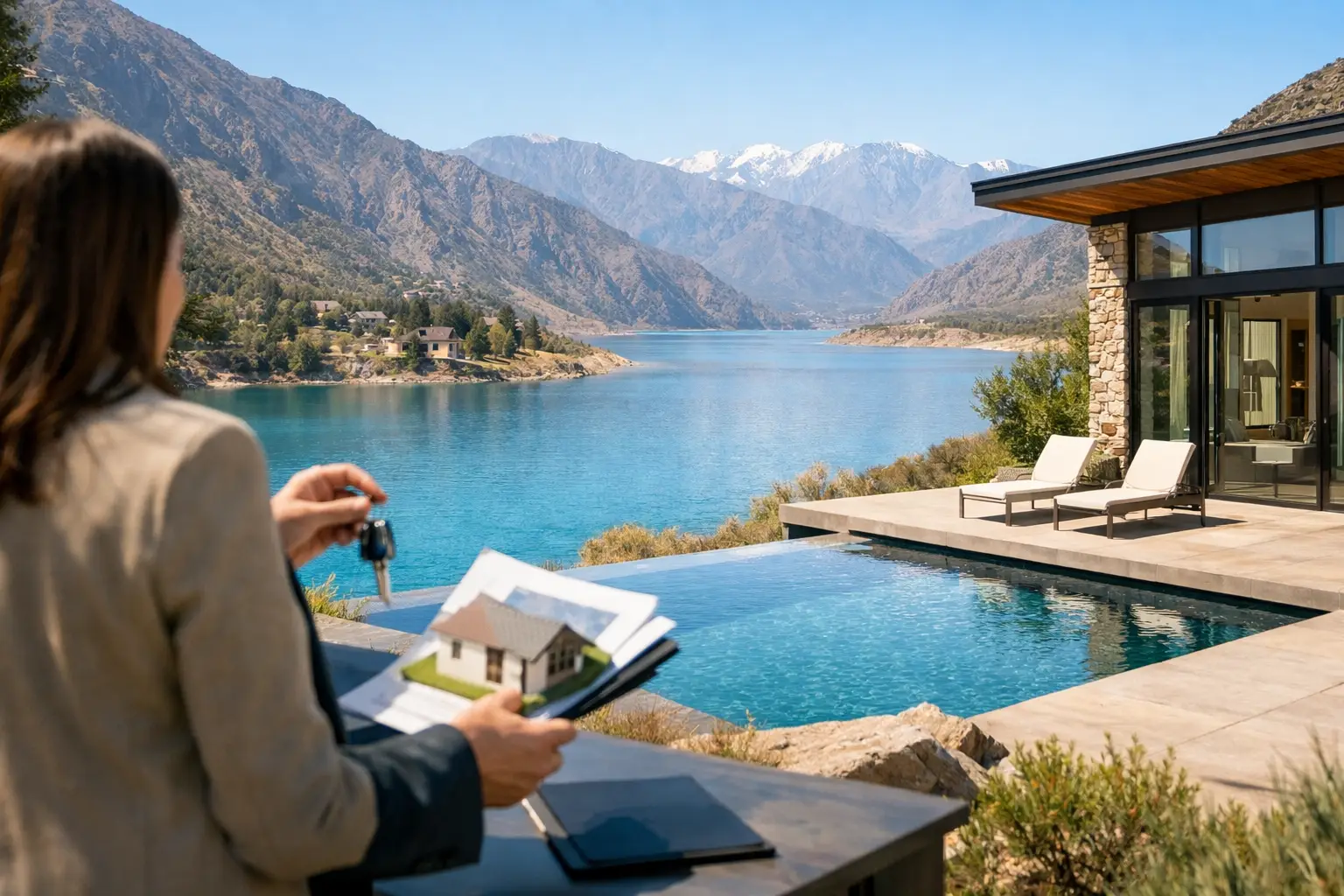

Real Estate in Potrerillos for Confident Buyers

Real Estate in Potrerillos for Confident Buyers

Potrerillos is not a place buyers choose by accident. Set on the slopes of Volcan Baru in Chiriqui, it appeals to people who want cooler air, mountain views, productive land, and more breathing room than Panama City or even nearby David can offer. Real estate in Potrerillos can be an exceptional fit for a retirement home, a family residence, a small agricultural project, or a long-term land investment, but the right property depends on details that do not always appear in a listing.

For buyers coming from the United States, Canada, or another part of Panama, the opportunity is easy to understand. The area offers a highland lifestyle within practical reach of David, where hospitals, shopping, banking, and domestic air connections are available. The work is understanding each micro-location, confirming what can be built, and making sure access, utilities, and title support the life or investment you have in mind.

Why Potrerillos Attracts Serious Buyers

Potrerillos is generally associated with a quieter, greener side of Chiriqui. The community sits in a highland environment east of Boquete, with rural roads, farms, forested areas, and homes that range from simple local residences to substantial country estates. Its elevation can bring more moderate temperatures than the lowlands, a meaningful advantage for buyers who prefer a cooler climate without leaving Panama.

The setting also creates a different pace of life. A buyer may wake up to mountain views, birdsong, and agricultural activity rather than traffic. That appeal is real, but it should be evaluated alongside practical expectations. Potrerillos is more rural than David, and in many locations more spread out than Boquete. A property that feels perfectly private to one buyer may feel too remote to another.

This is why local guidance matters. Potrerillos Arriba, Potrerillos Abajo, and nearby areas can differ significantly in elevation, road quality, views, water availability, neighborhood character, and travel time to daily services. A broad search for “Potrerillos” is only the beginning. The decision should be made at the property and access-road level.

Real Estate in Potrerillos: What Creates Value

Land is often the first attraction. Buyers may find larger parcels than in more established highland markets, with room for a home, gardens, fruit trees, horses, guest cottages, or a future rental unit. Depending on location and terrain, a parcel may also offer open views toward the mountains or valley.

Yet acreage alone does not determine value. Usable topography matters. A steep parcel can be beautiful, but it may require more expensive site preparation, retaining work, drainage planning, and access improvements before construction begins. A flatter lot may be more practical for a residence, but it could have less privacy or a less dramatic view. There is no universal winner – the best choice depends on whether your priority is lifestyle, construction efficiency, agricultural use, or long-term appreciation.

Road access deserves equal attention. Ask whether the final approach is paved, gravel, or seasonal dirt road, and visit after rain if possible. A property can be close to the main road on a map while still requiring a vehicle with suitable clearance for comfortable year-round access. Buyers planning to rent a home should consider this carefully, because tenants and guests often value convenience as highly as scenery.

Water is another major value driver. Some properties have dependable water connections, while others rely on wells, springs, storage tanks, or systems shared within a community. The source, capacity, reliability during dry months, and costs of any needed improvements should be understood before a buyer commits. For agricultural land or homes with gardens and guest accommodations, water planning is not a minor detail. It shapes what the property can realistically become.

Buying a Home, Land, or Income Property

A completed home can be the simplest route for a buyer who wants to relocate or enjoy a second residence without managing construction. The right inspection remains essential. Mountain climates, rainfall, and rural conditions can affect roofs, drainage, septic systems, retaining walls, electrical installations, and exterior finishes. A well-built home with sensible maintenance may be far more valuable than a newer property with unresolved site issues.

Vacant land gives buyers more control, especially when they have a clear vision for a custom home or small development. It also requires more patience. Before viewing land as a bargain, estimate the full path from raw parcel to usable property: roadwork, utilities, surveys, design, permits, construction, landscaping, and contingency funds. A lower purchase price can be attractive, but it should not hide the true cost of development.

For investors, rental potential exists, though it should be approached with discipline rather than assumptions. Potrerillos may appeal to long-stay visitors, retirees seeking a quiet highland setting, and tenants connected to the broader Chiriqui region. Demand can be more specialized than in central Boquete or David, however. A luxury vacation home, a furnished long-term rental, and a modest country residence will attract different audiences and carry different operating costs.

The strongest investment analysis looks beyond projected rent. Consider occupancy patterns, furnishing requirements, maintenance, management, utility costs, access, internet reliability, and the time required to respond to tenant needs. Owners living abroad should also decide early whether they need local property management, rental collection support, and a trusted contact for maintenance coordination.

Title, Boundaries, and Due Diligence Are Not Formalities

A beautiful view does not replace legal and technical verification. In Panama, a buyer should confirm the property’s title status, registered owner, boundaries, liens, access rights, and any restrictions affecting intended use. The purchase process should be coordinated with qualified legal support and a careful review of documentation before funds are committed.

Physical boundaries also deserve a site visit. Fences, markers, and local descriptions do not always match the registered dimensions or a buyer’s assumptions. A current survey can be especially valuable for land purchases, larger parcels, or properties where future construction is planned. If you intend to add a guesthouse, divide a parcel, operate a rental, or develop multiple homes, investigate feasibility before making an offer, not afterward.

Foreign buyers can own property in Panama, but cross-border buyers should never treat the transaction as a casual extension of a purchase back home. Banking, closing procedures, corporate ownership structures, tax considerations, and document requirements can all affect the process. Clear professional coordination protects both the investment and your peace of mind.

A Better Way to Evaluate Properties

The most productive property search begins with a practical brief. Decide how often you will use the property, how much driving you are comfortable with, whether you need reliable high-speed internet, and what type of terrain you can maintain. Be honest about whether you want privacy or isolation. They are not the same thing.

It also helps to visit at different times of day. Morning weather, afternoon rain, road conditions, neighborhood sound, and the actual drive to David can change the feel of a property. Ask nearby residents about water, road maintenance, power interruptions, and the rhythm of the area. These conversations often reveal the details that make ownership easier.

An experienced advisor should help you compare properties based on the complete picture, not simply encourage the fastest purchase. Nikolai Candanedo’s approach is built around that kind of hands-on support: connecting local market knowledge with the personal goals behind each transaction. For a buyer seeking a home, land, or income-producing asset, the right guidance can turn a promising view into a well-supported decision.

The Potrerillos Opportunity Is Personal

Potrerillos is unlikely to be the best choice for someone who wants walkable restaurants, immediate city conveniences, and a highly urban social calendar. It can be an outstanding choice for buyers who value land, climate, privacy, and a genuine connection to Chiriqui’s highland landscape.

Take the time to define what ownership should feel like five years from now. If the property, access, infrastructure, legal position, and local setting all support that vision, Potrerillos can offer far more than a place to buy – it can become a property you are genuinely confident to own.

Chiriqui Property Management Review for Owners

Chiriqui Property Management Review for Owners

A strong chiriqui property management review should not begin with a promise of high rental returns. It should begin with a more practical question: who will protect your property, communicate clearly, and make sound decisions when you are not in Panama? For owners living abroad, spending only part of the year in Chiriquí, or holding an income property as an investment, management is the service that determines whether ownership feels rewarding or unnecessarily difficult.

Chiriquí has real opportunity, but it is not one uniform rental market. A furnished home in Boquete, a long-term residence in David, land with a caretaker in Tierras Altas, and a coastal property near Puerto Armuelles each require different attention. The right manager understands those distinctions and treats your property as an individual asset, not another address on a spreadsheet.

What a Chiriqui Property Management Review Should Measure

Property management is often judged by one visible result: whether the property is rented. Occupancy matters, but it is only one part of the picture. A manager can fill a property quickly with the wrong tenant, accept unclear maintenance costs, or fail to document the condition of the home. Those problems may not appear until rent is late, repairs become expensive, or an owner decides to sell.

A useful review looks at the quality of oversight behind the rental income. Ask how tenants are screened, how lease terms are handled, how often the property is inspected, and what happens when there is an urgent maintenance issue. Owners should also understand who receives rental payments, when funds are transferred, and what reports are provided each month.

Local presence is especially valuable in Panama. A property manager may need to meet a contractor, inspect a water issue after heavy rain, coordinate access for a utility technician, or speak directly with a tenant before a small concern becomes a major disagreement. These are not tasks that can be managed well by occasional messages alone.

The Core Services Owners Should Expect

The details of a management agreement vary by property type and location, but reliable service generally covers the full operating cycle. That includes marketing and showing the property when appropriate, tenant screening, lease coordination, rent collection, basic property inspections, maintenance coordination, and regular owner communication.

For an investment property, rent collection deserves close attention. The process should be consistent, documented, and respectful. A manager should not simply notify an owner that payment was received. The owner needs a clear record of rent collected, commissions or management fees, approved expenses, maintenance invoices, and the amount available for transfer or reinvestment.

Maintenance is another area where vague arrangements create frustration. No owner expects a manager to predict every repair. What matters is whether the manager identifies problems early, obtains reasonable estimates when needed, explains the options, and keeps the owner informed before major work proceeds. A reliable local manager also knows the difference between a cosmetic request, a necessary repair, and an improvement that may increase rental appeal or resale value.

For vacant homes, management can extend beyond rentals. Periodic inspections, vendor access, bill coordination, cleaning arrangements, and preparation for an owner’s arrival can protect a property that might otherwise sit unattended for months. This concierge-style support is often as valuable to a second-home owner as tenant placement is to an investor.

Why Chiriquí Requires Regional Knowledge

Chiriquí attracts a broad range of buyers and renters. Boquete has a well-known international community and demand for climate, mountain views, and convenience. David offers a more urban market with access to hospitals, shopping, schools, and business activity. Tierras Altas appeals to buyers who value cooler temperatures, agricultural land, and a quieter setting. Puerto Armuelles presents a different coastal proposition, with its own tenant profile, property conditions, and infrastructure considerations.

A management plan should reflect where the property sits within that regional landscape. For example, a furnished home designed for retirees may need a different leasing strategy than a practical long-term rental for a local professional family. A property near town services may command a different rate than a beautiful home that requires more driving, specialized upkeep, or careful management of access during the rainy season.

This is why an online estimate or broad Panama rental average is not enough. Pricing needs to account for the home’s condition, furnishings, utilities, road access, neighborhood, security features, and the type of tenant most likely to value it. Overpricing can leave a home vacant. Underpricing may attract interest quickly but reduce the return on an asset that has real market advantages.

Questions to Ask Before You Sign

Before selecting a property manager, request direct answers rather than general assurances. Ask who will be your day-to-day contact, how quickly inquiries are typically answered, and whether the same person can visit the property when an issue arises. It is also wise to ask how tenant screening is documented and whether there is a clear lease process for the kind of rental you plan to offer.

You should understand maintenance authority in writing. Many owners authorize a manager to handle smaller repairs up to an agreed amount, while requiring approval for larger expenses. The appropriate amount depends on the property and the owner’s preferences, but the principle is the same: both parties should know when a decision can be made locally and when the owner must be consulted.

Ask for an example of the financial reporting you will receive. It does not need to be complicated. It does need to be understandable. A monthly statement should show money in, money out, and the supporting details behind each expense. If a manager cannot explain how records are handled before you sign, the process is unlikely to become clearer after the property is occupied.

Finally, discuss the end of a tenancy before the first tenant moves in. Who performs the final inspection? How is damage documented? What is the process for returning a deposit? How are cleaning, repairs, or new marketing handled between tenants? Clear procedures protect the property, the tenant relationship, and the owner’s ability to plan ahead.

The Trade-Off Between Cost and Accountability

The lowest management fee is not always the lowest-cost choice. A reduced fee can be attractive, particularly for a property with a dependable long-term tenant and few expected maintenance needs. But it may also mean limited inspections, delayed communication, or a manager who is handling too many properties to give yours meaningful attention.

On the other hand, a higher fee should be supported by defined service, responsive communication, and local accountability. Owners should be cautious of broad promises without a written explanation of what is included. Does the fee cover regular inspections? Is tenant placement separate? Are maintenance coordination, bill payment, or owner arrival services billed independently? There is no single correct structure, but there should be no confusion.

The best arrangement is often one that matches the owner’s goals. A hands-on investor may want detailed approval rights and frequent reporting. A retiree who spends summers in the United States may value a trusted local representative who can manage practical matters without requiring constant input. A developer or landowner may need periodic site checks rather than residential tenant management. Good management begins by defining the assignment correctly.

A Relationship-Based Standard for Remote Owners

For international owners, property management is built on trust earned through consistent action. Time zones, language differences, banking questions, and unfamiliar local procedures can make a small issue feel larger than it is. The manager’s role is to bring clarity, not add another layer of uncertainty.

That means communicating early, documenting decisions, and giving owners the local context needed to make practical choices. It also means recognizing when a property concern is tied to a larger investment decision. A recurring repair issue, extended vacancy, or changing tenant demand may indicate that the rental strategy, improvements, or even the property’s future sale position should be reviewed.

With market experience in Chiriquí dating back to 1997, Nikolai Candanedo approaches ownership support as a long-term relationship, not a transaction that ends when keys change hands. The goal is straightforward: help owners maintain control of their asset while benefiting from informed, on-the-ground guidance.

A property in Chiriquí can support income, lifestyle, or a future relocation plan. Choose management that gives you clear records, practical local oversight, and the confidence to make decisions from wherever you call home.