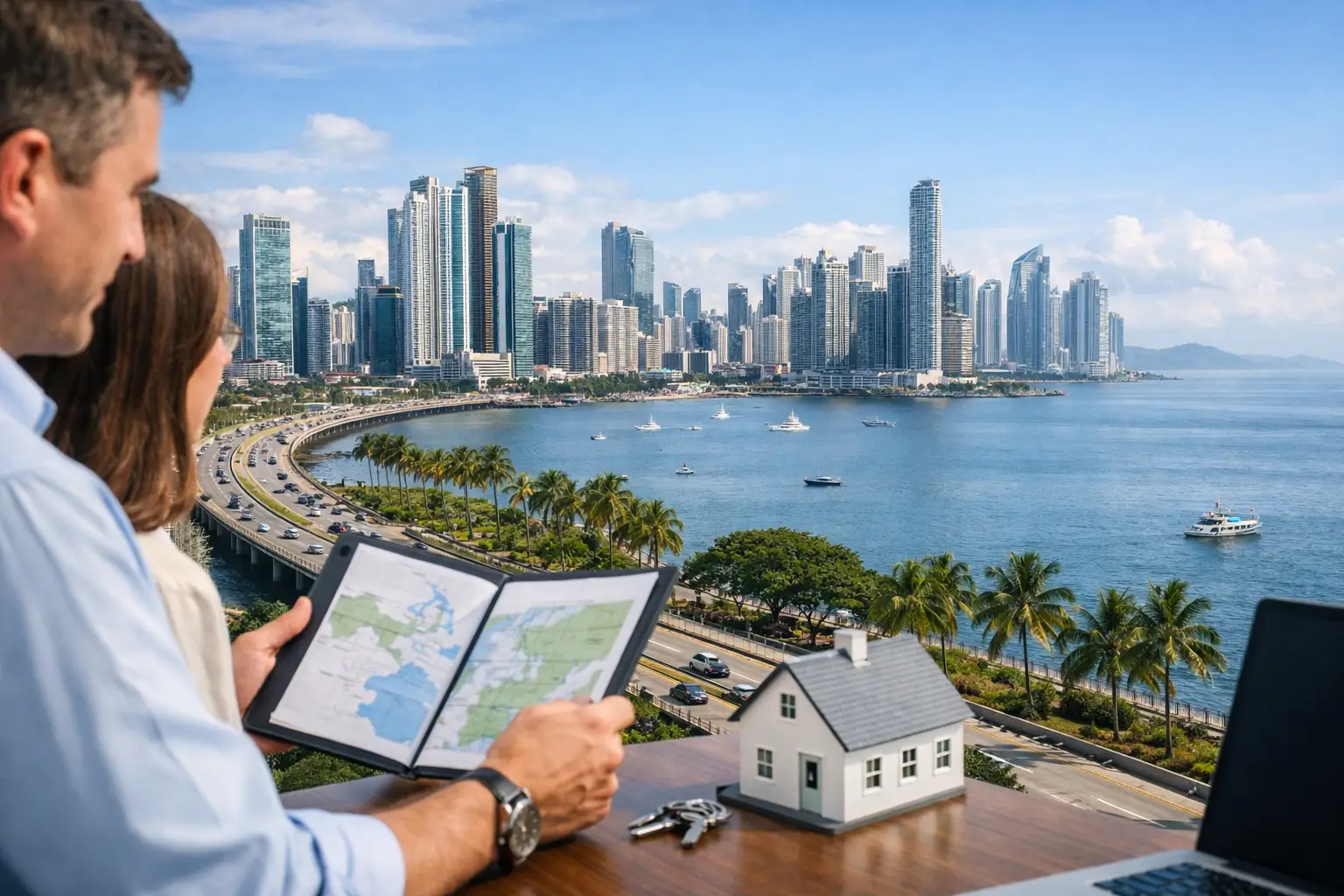
A mountain home in Boquete can offer spring-like weather and strong lifestyle appeal. A parcel outside David may be better suited to a commercial plan. A coastal property near Puerto Armuelles can answer a completely different investment question. That is why Panama real estate should never be approached as one market with one price range or one buyer profile. The right opportunity begins with understanding the location, the ownership structure, and the purpose behind the purchase.
For buyers from the United States and other international markets, Panama offers a compelling combination of accessibility, dollar-based transactions, varied climates, and property choices that range from urban residences to agricultural land. But opportunity alone does not remove the need for careful local guidance. Every serious purchase deserves a clear process, practical due diligence, and an advisor who understands how a property performs beyond the day of closing.
What Makes Panama Real Estate Different
Panama uses the U.S. dollar as legal tender, a point that immediately reduces currency-conversion concerns for many American buyers. The country also attracts retirees, entrepreneurs, families, and investors because one small geography holds several distinct lifestyles: city living in Panama City, cooler highland communities in Chiriquí, productive farmland, Pacific beaches, and growing regional business centers.
The trade-off is that market conditions are highly local. A buyer comparing Boquete with David is not simply comparing two towns a short drive apart. Boquete often appeals to those seeking a cooler climate, mountain views, established expatriate communities, and a slower residential setting. David is Chiriquí’s commercial center, with hospitals, schools, shopping, the airport, and a broader pool of year-round services. Tierras Altas attracts buyers who value higher elevations, agriculture, and a quieter pace. Puerto Armuelles presents a coastal alternative where long-term development and lifestyle potential require a different level of patience and local analysis.
Pricing, rental demand, access to utilities, road conditions, and future resale prospects can vary substantially between these markets. A beautiful view is valuable, but it does not replace legal access, reliable water, a realistic maintenance plan, or a buyer pool when it is time to sell.
Start With the Purpose of Your Purchase
Before reviewing listings, define what success looks like. A retiree buying a primary residence needs different criteria than an investor seeking rental income or a developer assembling land for a future project. The purchase can be emotionally rewarding and financially sensible, but those two goals should be discussed separately.
A lifestyle buyer may place the greatest value on neighborhood feel, proximity to medical care, walkability, climate, and room for visiting family. An investor should examine achievable rent, vacancy exposure, management costs, taxes, insurance, repairs, and the time required to stabilize the property. Land buyers need to think further ahead: zoning, topography, water sources, access, utility connections, and the actual cost of building on the site.
There is no universal “best” property in Panama. The right choice depends on whether you plan to live there full time, use it seasonally, rent it long term, hold it as land, or combine personal use with income. Being honest about that purpose prevents a common mistake: purchasing a property that looks attractive on a visit but does not fit the owner’s life or financial plan.
How to Evaluate a Property in Chiriquí
In Chiriquí, a strong property review goes beyond photographs, lot size, and asking price. This is especially true for buyers who will own from abroad or spend only part of the year in Panama. A proper review should include the property’s immediate surroundings and the practical details that affect daily ownership.
For a residence, ask how the home handles rainfall, humidity, drainage, and routine maintenance. Visit at different times when possible. A peaceful road at noon may be busy in the early morning. A property with a dramatic mountain view may have frequent cloud cover, stronger winds, or a longer drive to services. None of these factors makes the property unsuitable, but each changes the value equation.
For land, confirm the road access rather than assuming an informal path will remain available. Study the shape and slope of the parcel, because usable building area can be very different from total acreage. Where water comes from matters, particularly in rural areas. A clear discussion about electric service, internet availability, septic requirements, and building access can save considerable expense later.
Rental properties deserve their own discipline. Do not rely on a projected rate without asking who the likely tenant is and how much demand exists across the year. A home that rents well for short stays may require active hospitality management. A long-term rental can provide steadier occupancy but may produce a different return. The most attractive gross-income estimate is not always the strongest investment after operating costs are included.
Due Diligence Is Where Confidence Is Built
A purchase contract is not the finish line. It is the point where careful verification becomes even more important. Foreign buyers can generally purchase property in Panama, yet ownership structures, title history, land classifications, and location-specific restrictions must be reviewed carefully. Properties near international borders, coastal areas, or land held under concession arrangements may require particular attention and should be evaluated case by case with qualified legal counsel.
Your advisory and legal team should help clarify four core matters:
- Whether the property has properly registered title and whether the seller has clear authority to sell.
- Whether liens, encumbrances, unpaid taxes, or other obligations could affect the transfer.
- Whether the property’s use, access, boundaries, and improvements align with what is being represented.
- Whether the contract provides appropriate protections, timelines, and conditions before funds are fully committed.
It also matters how funds will move, which closing costs apply, and whether the buyer will hold the property personally or through a legal entity. The best structure depends on the buyer’s estate planning, liability, operational needs, and professional tax advice. A broker can help organize the real estate side of the transaction, while a Panamanian attorney should provide the legal review specific to the property and buyer.
Ownership Does Not End at Closing
Many buyers devote months to finding the right property and very little time planning for ownership after closing. That gap is manageable when you live nearby. It can become expensive when you are managing a home, tenant, or vacant parcel from another country.
Property management is not limited to collecting rent. It may involve paying recurring bills, monitoring repairs, coordinating vendors, conducting inspections, preparing a home for an owner’s arrival, and communicating with tenants. For an income-producing property, monthly reporting and collection procedures matter just as much as the initial rent estimate.
This is where a relationship-driven real estate advisor adds lasting value. The strongest support is not a quick transaction followed by silence. It is a local point of contact who understands the property, knows the region, and can help owners make informed decisions when a repair, lease renewal, market shift, or future sale arises.
The Value of Local Market Perspective
Online listing portals can introduce buyers to Panama, but they rarely explain why two similar-looking homes carry very different prices. One may have stronger title documentation, paved access, better water reliability, closer proximity to town, or a more established neighborhood. Another may be priced for a quick sale because it needs significant work. Context is what turns listing information into a decision.
Nikolai Candanedo brings experience dating back to 1997 to clients evaluating Chiriquí properties, from homes and land to investment opportunities requiring a closer look at cash flow and long-term ownership. That experience matters most when it is applied personally: listening first, narrowing the search intelligently, and identifying issues before they become surprises.
A capable advisor should also be willing to say when a property is not the right fit. Buying in a foreign market is not about being pushed toward the first appealing listing. It is about having the confidence to compare options, ask better questions, and move forward only when the property supports your actual goals.
The most productive first step is a candid conversation about where you want to be, how you plan to use the property, and what level of involvement you want after closing. With those answers in place, the search becomes far more focused – and the right piece of Panama can become a place you are prepared to enjoy, protect, and hold with confidence.

Leave a Reply