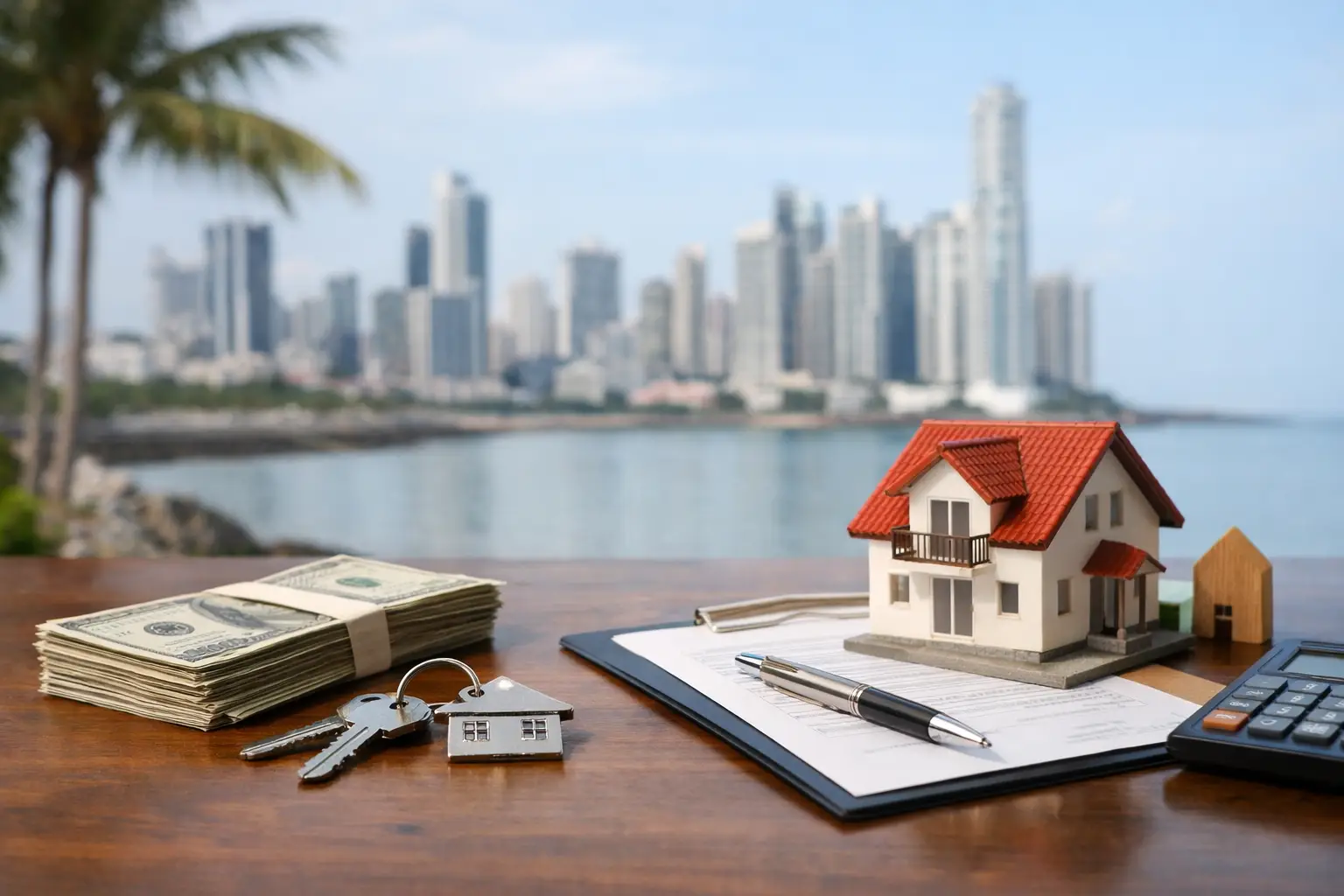
A Boquete home, a David rental building, or land in Tierras Altas can look like an exceptional opportunity until the payment structure changes the numbers. The cash purchase versus Panama mortgage decision is not simply about whether you have funds available. It affects your negotiating position, closing timeline, liquidity after purchase, and the return you can realistically expect from the property.
For international buyers especially, the strongest choice depends on the property type, the lender’s requirements, your source of funds, and what you want the asset to do for you after closing. A cash offer may create speed and leverage. Financing may preserve capital for renovations, business needs, or additional investments. The right answer is personal, but it should always be grounded in a clear review of the numbers.
Why Cash Is Common in Panama Real Estate
Cash purchases remain common across Panama, particularly for resale homes, land, and properties in regional markets such as Chiriquí. Sellers often favor cash because it reduces uncertainty. There is no bank appraisal that can lower the approved amount, no loan committee delay, and fewer moving parts between accepted offer and closing.
For a buyer, a cash purchase can also make an offer more compelling. If two buyers offer a similar price for a well-priced home in Boquete, the buyer who can demonstrate available funds and close promptly may have a meaningful advantage. This can matter even more for desirable properties with good access, mountain views, established landscaping, or proven rental potential.
Cash does not mean skipping due diligence. In fact, speed should never replace careful review. A proper transaction still requires title verification, confirmation of property boundaries where relevant, review of any liens or restrictions, and a clear understanding of taxes, closing costs, utilities, and ownership structure. The goal is an efficient closing, not a rushed one.
The financial strength of a cash offer
The most obvious benefit is that you avoid interest expense. Over the life of a loan, interest can materially increase the real cost of a property, especially when rates are higher or the financing term is long. A cash buyer also avoids many lender-driven expenses, such as bank appraisals, loan origination charges, and some administrative costs.
Cash can give you room to negotiate, but it does not guarantee a discount. A seller may already have priced the property appropriately, or they may value a longer occupancy period more than an earlier closing. The advantage of cash is flexibility: you can offer a clean transaction with terms that solve the seller’s actual concerns.
There is another advantage for buyers planning a retirement move or a second home in Panama. Owning a property free of debt can make monthly planning easier. You still have maintenance, insurance, taxes, condominium fees where applicable, and property management costs, but there is no recurring loan payment changing your cash flow.
When a Panama Mortgage Makes Sense
A Panama mortgage can be a sensible tool when preserving liquidity is more valuable than paying for the property outright. A buyer may have sufficient cash but prefer to keep reserves for renovations, furnishing, a new business venture, medical planning, or other investments. An investor may also prefer to spread capital across more than one income-producing property rather than place it all into one acquisition.
Financing can be particularly useful when a property has a credible rental strategy. For example, a buyer acquiring a well-located residence near Boquete may want to reserve capital for improvements that increase rental appeal, professional photography, furnishings, and a working reserve for the first year of ownership. In that case, the question is not whether debt is good or bad. It is whether the property’s income and your available reserves can comfortably support it.
Mortgage availability and terms vary widely. Banks may lend to foreign buyers, but requirements can be more demanding than a US buyer expects. Documentation often includes proof of income, bank statements, tax returns or financial statements, identification, and verification of the source of funds. Loan-to-value limits, interest rates, repayment terms, property eligibility, and underwriting standards are determined by the lender and can change.
A mortgage also introduces timing risk. Even a prepared buyer can encounter requests for additional documents, appraisal issues, or bank processing delays. If the purchase is time-sensitive, the financing contingency and closing schedule must be written realistically from the beginning.
Do not assume financing lowers your risk
Financing preserves cash, but it creates an ongoing obligation. A vacant rental period, a delayed renovation, unexpected repairs, or a shift in personal income can turn a comfortable payment into pressure. This is especially relevant for buyers who plan to live abroad part of the year or manage a rental property from the United States.
Before choosing financing, calculate more than the principal and interest payment. Include insurance, taxes, condominium dues if applicable, management fees, maintenance reserves, vacancy assumptions, and currency considerations if your income and expenses are not in the same currency. A property should be able to withstand normal ownership surprises without forcing a distressed sale.
Cash Purchase Versus Panama Mortgage: The Questions That Decide It
The best decision usually becomes clearer when you stop asking, “Can I pay cash?” and start asking, “What does my capital need to accomplish?”
First, consider your liquidity after closing. Buying a property in cash should not leave you unable to handle repairs, relocation expenses, legal costs, furnishings, or a period without rental income. A buyer with substantial assets but limited accessible cash may be better served by partial financing than by tying up every available dollar in one property.
Next, look at the property itself. A finished residence with a stable rental history may be easier to evaluate than raw land or a home needing significant work. Land buyers often need to budget for surveying, access improvements, utilities, design, construction, and permitting. In that situation, keeping cash available can be more valuable than owning the land debt-free on day one.
Then evaluate the true cost of capital. Compare the expected mortgage rate and fees with the reliable return you can earn by keeping capital invested elsewhere. This comparison should be conservative. Do not justify a loan based on an optimistic rental projection or a return that depends on everything going perfectly.
Finally, consider your negotiating position and timeline. If you are pursuing a unique property, a cash offer with verified funds may help you act decisively. If the seller can wait and the property is not likely to attract competing offers, financing may be worth the additional process.
A Practical Way to Compare the Two Paths
Start with two written scenarios for the exact same property. In the cash scenario, include the purchase price, closing expenses, immediate upgrades, and a healthy reserve after closing. In the financing scenario, include the down payment, all loan-related costs, monthly debt service, and the same reserve requirement.
Then stress-test the financed version. Ask what happens if rental income is 20 percent lower than expected, if the home needs a new appliance or roof repair, or if the closing takes longer than planned. If the payment still feels manageable and the retained capital has a clear purpose, financing may be a disciplined choice.
For a cash purchase, stress-test liquidity instead. Ask whether you would still have enough available funds if you needed to return to the United States unexpectedly, repair the property, or carry it for several months without income. A debt-free property is reassuring, but an underfunded owner is still exposed.
Build the Right Team Before You Commit
Cross-border purchases benefit from early coordination. Your real estate advisor can help you evaluate price, local demand, and the practical strengths of a specific neighborhood. A qualified Panamanian attorney should handle legal due diligence and closing documentation. If you intend to finance, speak with potential lenders early enough to understand their current requirements before making assumptions about approval.
For buyers interested in rental income, the analysis should also extend beyond the purchase. Who will inspect the property? How will rent be collected? What maintenance response is available when you are out of the country? In Chiriquí, local knowledge is often the difference between an attractive listing and a property that supports your ownership goals over time.
Nikolai Candanedo’s approach is built around that longer view: helping clients assess not only how to buy, but how the property will function after the keys are delivered.
The strongest purchase structure is the one that leaves you confident, properly reserved, and ready to enjoy or operate the property without avoidable financial pressure. Before making an offer, put both paths on paper, ask direct questions, and let the property’s purpose guide the decision.

Leave a Reply