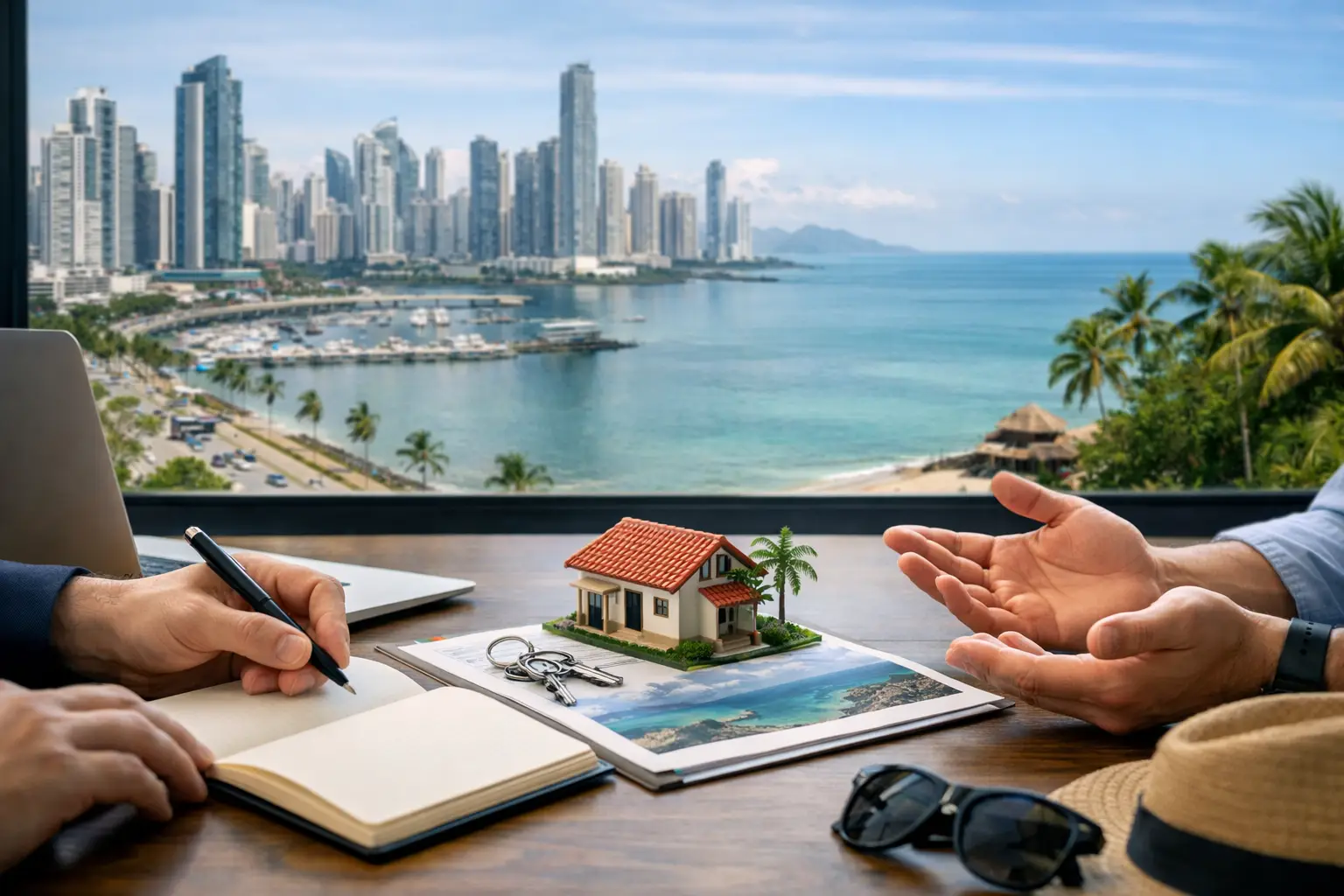
A beautiful view in Boquete, a cooler climate in Tierras Altas, or a rental opportunity near David can make a Panama purchase feel obvious. But the most valuable Panama buyer questions usually begin after the first showing: Can I own this property as a foreigner? Is the title clear? What will ownership actually cost once I have the keys?
Those questions deserve direct answers before an offer is written. Panama can offer compelling lifestyle and investment opportunities, particularly in Chiriquí, but a successful purchase depends on matching the property, legal structure, location, and ownership plan to the buyer’s real objectives.
Panama buyer questions that should come first
Can a foreigner buy property in Panama?
In most cases, yes. Foreign nationals generally have the same property ownership rights as Panamanian citizens. A buyer does not need residency or citizenship to purchase a home, condominium, commercial property, or many types of land.
There are exceptions that require careful review. Properties near international borders, coastal areas, islands, indigenous comarcas, and certain concession-based developments can be subject to special rules. Chiriquí’s proximity to Costa Rica makes the border-zone question especially relevant for buyers considering land in western districts. The answer is not simply “yes” or “no” – it depends on the exact parcel, its legal history, and the form of ownership being offered.
A qualified local attorney should verify whether the seller holds titled property, possessory rights, a concession, or another interest. These categories are not interchangeable. A low asking price can sometimes reflect a limitation in the ownership structure rather than an exceptional bargain.
Is the property properly titled?
This is the central due diligence question. A public-record title search should confirm the registered owner, legal description, recorded liens, mortgages, restrictions, and any annotations affecting the property. The property on the ground must also correspond to what appears in the registry and cadastral records.
For land buyers, boundaries deserve special attention. Fences, streams, roads, and neighboring use do not always match the registered survey. Before purchasing acreage in areas around Boquete, Volcán, Cerro Punta, or Puerto Armuelles, buyers should understand the access route, boundary markers, topography, and whether a current survey is needed.
Do not treat a handwritten agreement, a local understanding, or years of peaceful use as proof of titled ownership. Possessory-rights transactions can be appropriate for certain buyers, but they carry a different level of risk and should be priced, documented, and evaluated accordingly.
What does the purchase process look like?
A typical transaction begins with an offer that identifies the price, deposit, due diligence period, closing target, included furniture or equipment, and conditions that must be satisfied before the buyer is obligated to proceed. Once terms are accepted, a formal purchase agreement and deposit arrangement should protect both sides.
The buyer’s attorney conducts legal due diligence, prepares or reviews closing documents, and coordinates payment and registration. At closing, the deed is executed through a notary and then registered in the Public Registry. Registration is the critical final step because it establishes the transfer against third parties.
The process can move efficiently when documents are in order, but timing varies. A condominium with a clean title and cooperative parties may close more quickly than rural land with unresolved boundary, access, or inheritance issues. Buyers should be wary of anyone who pressures them to skip verification merely to close faster.
What will I pay beyond the listing price?
The purchase price is only one part of the decision. Closing costs may include legal fees, notary and registry expenses, transfer-related taxes, appraisal costs, bank charges if financing is involved, and possible corporation setup or maintenance costs. The allocation of certain taxes and fees can be negotiated, so it should be stated clearly in the offer rather than assumed.
Ownership costs also vary sharply by location and property type. Ask for recent utility bills, property tax information, homeowners association fees, insurance history, maintenance expenses, security costs, gardening, pool care, and any staff arrangements. A mountain home with generous grounds can be less expensive to buy than a city condominium, yet require more ongoing care.
For investment buyers, projected rental income should never be considered alone. The more useful figure is net operating income after vacancy, management, repairs, utilities paid by the owner, taxes, furnishing, marketing, and reserve funds. A property that looks profitable on a nightly-rate spreadsheet may be less attractive once realistic occupancy and operating costs are included.
Should I buy in my personal name or through a corporation?
This decision depends on the property, estate plan, financing, future partners, rental strategy, and professional tax advice. Some buyers prefer a Panamanian corporation for ownership flexibility or succession planning. Others may find personal ownership more straightforward.
A corporation is not automatically the best answer just because it is common in Panama real estate. It has formation, annual reporting, resident-agent, and maintenance obligations. Before choosing a structure, buyers should discuss their situation with Panama legal counsel and a tax professional familiar with the buyer’s home-country obligations. U.S. citizens, for example, should consider foreign-asset reporting and tax consequences before closing, not afterward.
Questions about residency, banking, and financing
Buying property does not automatically grant residency. Panama has residency options that may be relevant to retirees, investors, professionals, and families, but eligibility requirements can change and should be verified with an immigration specialist. A buyer should separate the real estate decision from the residency plan, even if both are part of a future move.
Banking is another practical consideration. International buyers often ask whether they can open a local account, wire funds, or obtain a mortgage. Banks have their own compliance standards and may request proof of income, source-of-funds documentation, tax returns, banking references, and transaction records. Starting this conversation early reduces frustration near closing.
Financing may be available, but terms for nonresidents can differ from what a U.S. buyer expects. Down payment requirements, interest rates, loan terms, appraisal standards, and underwriting timelines vary by institution. For many international purchases, cash remains the simplest route, though “cash” should still mean traceable funds with a clear documented source.
Is this the right Chiriquí location for my goals?
Chiriquí is not one market. Boquete may appeal to buyers seeking established expat services, a temperate climate, and mountain living. Tierras Altas attracts those who value cooler temperatures, agricultural surroundings, and a quieter setting. David offers urban convenience, healthcare access, commerce, and a broader long-term rental base. Puerto Armuelles may interest buyers looking at coastal lifestyle and emerging value, while requiring a realistic view of infrastructure and local demand.
The best location depends on how you plan to use the property. A retiree who wants walkability and medical access may make a different choice than an investor seeking workforce rentals or a family planning a part-time vacation home. Visit at different times of day, drive the roads in wet weather if possible, test mobile and internet service, and ask about water reliability, drainage, noise, neighborhood development, and travel time to essential services.
For land, confirm legal access and utilities before falling in love with the view. A road shown on an informal map is not the same as a documented right of way. Likewise, nearby electrical lines do not guarantee an inexpensive connection, and water availability should be investigated rather than presumed.
Can the property work as a rental?
It may, but rental strategy should be grounded in the local market. Long-term tenants, seasonal visitors, corporate renters, and short-term guests have different expectations, regulations, furnishing needs, and turnover costs. A property that performs well for a long-term tenant may not suit vacation renters, and the reverse is equally true.
Ask for evidence rather than broad promises: comparable rental listings, actual occupancy history where available, tenant profile, management fees, expected maintenance, and the property’s competitive advantages. Proximity to town, parking, climate, layout, internet quality, and reliable property oversight can matter more than a dramatic view alone.
Remote ownership also requires a plan. Who receives rent, approves repairs, checks the property after storms, pays bills, and responds when a tenant calls? Property management is not an afterthought for an absentee owner. It is part of the investment model from day one.
A well-chosen Panama property can become a home, a source of income, or a long-term asset. The right next step is to bring your specific questions to the table early, inspect the details behind the opportunity, and make a decision that still feels right after the excitement of the first visit has settled.

Leave a Reply