David Panama Homes for Sale for Smart Buyers

David Panama Homes for Sale for Smart Buyers

David Panama homes for sale deserve a closer look from buyers who want more than a pleasant climate and a lower cost of living. David is Chiriquí’s commercial center: a city where hospitals, schools, banking, shopping, airport access, and everyday services are part of normal life. For retirees, families, expats, and investors, that practical foundation can make the difference between owning a property abroad and building a life that works.

The right purchase, however, is rarely found by comparing listing photos alone. Each area of David offers a different balance of convenience, privacy, rental demand, lot size, and long-term value. A clear plan, careful due diligence, and local representation are what turn a promising property into a confident decision.

Why David Appeals to Property Buyers

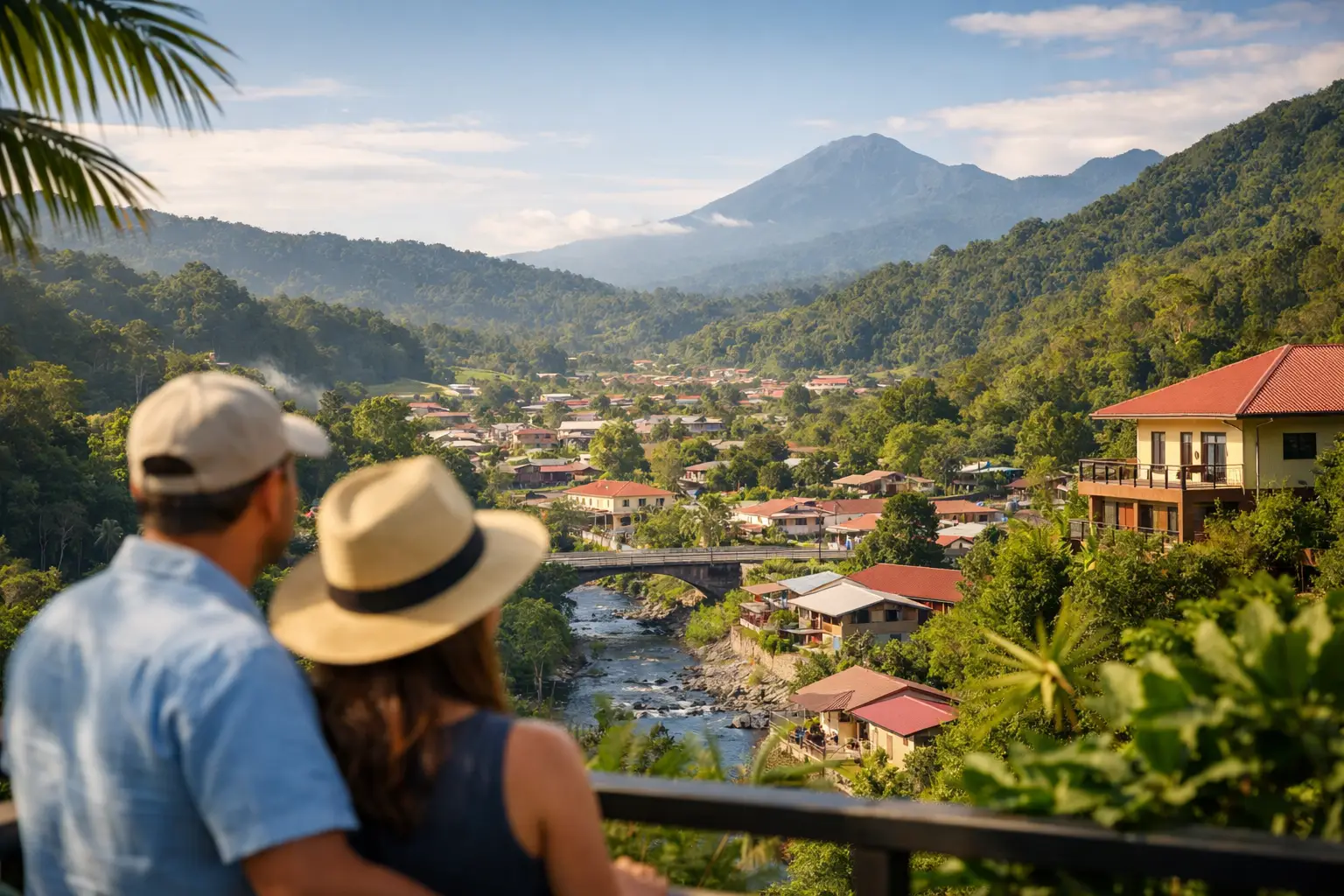
David is the capital of Chiriquí Province and the region’s primary service hub. While Boquete is known for mountain living and Tierras Altas for its cooler elevations, David offers a more urban pace with year-round access to the services many buyers value most. Residents can reach medical care, supermarkets, government offices, restaurants, and professional services without planning an all-day trip.

Its location also matters. David is positioned for easy travel throughout western Panama, including the highlands, the Pacific coast, and the Costa Rican border. Enrique Malek International Airport provides domestic connections and supports the city’s role as a regional business center. For a buyer who expects visiting family, manages a business, or wants a practical home base for exploring Chiriquí, that connectivity has real value.

The climate is warmer than Boquete and other mountain communities. That is a benefit for buyers who prefer tropical warmth, but it is a trade-off worth considering honestly. Homes with good ventilation, covered outdoor spaces, efficient air conditioning, and thoughtful orientation can be far more comfortable than a property selected only for its appearance.

David Panama Homes for Sale: Choose the Right Area

David is not one uniform market. The best neighborhood depends on whether your priority is quiet residential living, daily convenience, rental income, or land with future development potential.

Central and established residential areas

Established neighborhoods near the city center can appeal to buyers who want shorter drives to services. These locations may offer mature homes, paved streets, nearby shopping, and access to schools and medical facilities. Some properties will need updates, which can create an opportunity for buyers willing to renovate, but renovation budgets should include labor supervision, permits when required, materials, and realistic timelines.

A central location can also support rental demand. Professionals, families, and long-term tenants often prioritize access to work, transportation, and services over a larger home farther from town. Investors should still evaluate the specific street, parking, condition, and tenant profile rather than assume every central property performs the same way.

Suburban communities and gated developments

Newer developments on the edges of David often attract buyers seeking newer construction, controlled access, and a more residential setting. These homes may have modern layouts, smaller manageable lots, and community rules that help maintain appearance and order.

The trade-off is that homeowners association fees, restrictions, and infrastructure quality must be reviewed carefully. Ask what the monthly fee covers, whether roads and drainage are privately maintained, how reserve funds are handled, and what changes are permitted to the home. A gated entrance is not, by itself, a full picture of a development’s management quality.

Larger lots and semi-rural settings

Buyers who want fruit trees, gardens, pets, workshops, or additional building space may look beyond the denser city neighborhoods. Areas outside central David can offer more land and a quieter environment while keeping city services within driving distance.

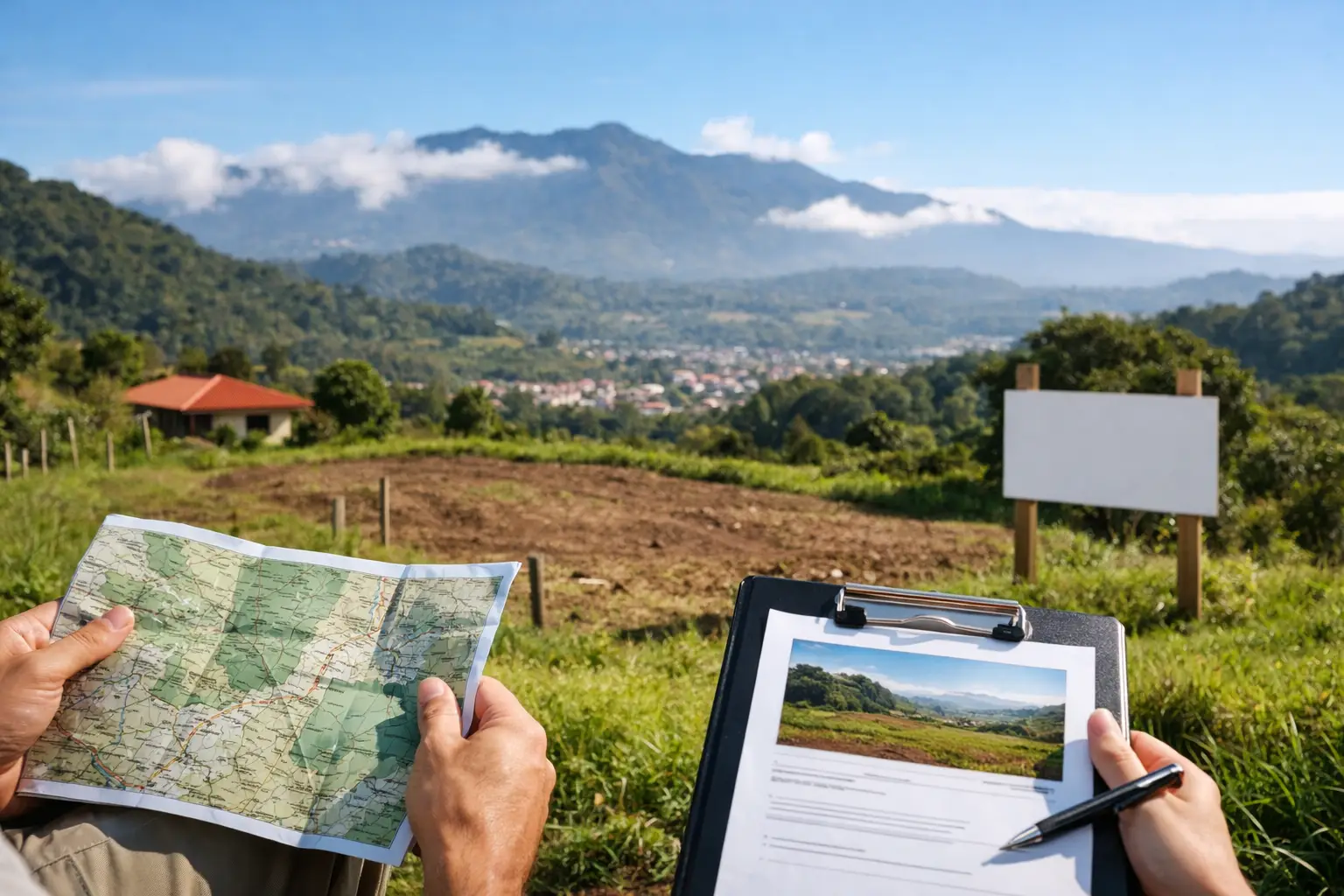
Here, practical verification becomes especially important. Road access in rainy season, water source and pressure, drainage, internet availability, electrical capacity, flood history, and the condition of nearby roads can affect both lifestyle and resale value. Larger land is attractive, but it also means more responsibility for maintenance, fencing, landscaping, and security.

Match the Property to Your Real Goal

A home purchase should begin with the role the property will play in your life. A retiree planning a full-time move may prioritize one-level living, healthcare access, a manageable garden, and proximity to friends or activities. A family may place greater weight on schools, commute time, storage, and bedroom configuration. An investor may focus first on tenant demand, operating costs, legal structure, and potential cash flow.

These goals can overlap, but they should not be confused. A beautiful home designed for occasional vacations may not be the strongest long-term rental. A low-priced fixer-upper may look compelling until repair costs, oversight, and vacancy risk are considered. The most suitable property is the one that supports your actual plan, not simply the one with the most impressive first impression.

Before viewing homes, define a total purchase budget that includes closing expenses, legal review, inspections, furnishing, insurance, initial repairs, and a reserve for the first year of ownership. International buyers are often surprised not by the purchase price, but by the smaller decisions that follow closing. Planning for them early protects both your budget and your peace of mind.

Due Diligence Is Where Confidence Is Built

Panama offers real opportunities for foreign buyers, but property transactions require disciplined verification. Title, property boundaries, seller authority, taxes, improvements, and utility arrangements should be reviewed before money changes hands. A property that appears straightforward can still have documentation issues that deserve professional attention.

A qualified Panamanian attorney should conduct the legal due diligence and explain the appropriate ownership structure for your situation. Depending on the property and buyer’s objectives, ownership may be held personally or through a corporation. The right choice depends on legal, tax, succession, financing, and management considerations, so it should never be treated as a one-size-fits-all decision.

Physical due diligence matters just as much. Inspect the roof, electrical system, plumbing, septic system where applicable, drainage, water storage, windows, security features, and any visible signs of moisture. In Chiriquí’s rainy climate, drainage and roof condition deserve particular attention. If a property has a pool, guest house, rental unit, or extensive landscaping, understand the true maintenance requirements before making an offer.

For land or homes in less developed areas, confirm access rights rather than relying on verbal assurances. Verify whether the road is public or private, who maintains it, and whether utilities are already installed or merely nearby. These details can influence the property’s usability and future marketability.

Think Beyond Closing Day

For many overseas buyers, closing is the beginning of the real ownership experience. Who will collect rent if you invest? Who can coordinate a repair if you are traveling? Who will check the property after a heavy rain or before your arrival? These are not minor questions when your home is in another country.

Personalized guidance can continue after the purchase through property management, rental collection support, contractor coordination, and practical local assistance. Nikolai Candanedo brings experience in the Chiriquí market dating back to 1997, helping clients evaluate property not only as a transaction but as an ongoing asset and home.

This support is especially valuable for buyers who are new to Panama. A strong local advisor can help narrow the search, identify questions that listing descriptions do not answer, coordinate viewings efficiently, and keep the process grounded in local market realities. No advisor can remove every risk, but experienced representation helps buyers see the risks clearly and make informed choices.

When Is the Right Time to Buy in David?

The right time is less about predicting a perfect market bottom and more about recognizing when you are prepared to act decisively. Buyers who know their budget, preferred locations, ownership timeline, and non-negotiables can respond when the right property appears. Those who wait for a theoretical perfect deal often lose strong opportunities because well-priced homes in desirable locations can attract serious attention.

That does not mean rushing. It means being ready. Review comparable properties, understand what drives value in your preferred area, and leave room for inspection findings or negotiation. In a market with varied inventory, patience is useful, but clarity is even more valuable.

A home in David can offer a practical, connected, and rewarding base in western Panama. Start with your lifestyle and investment goals, then let local knowledge guide the search. The property you choose should feel right not only on viewing day, but also on an ordinary Tuesday months after you have the keys.


Rental Collection Services Panama for Owners

Rental Collection Services Panama for Owners

A rental property can look profitable on paper and still become a source of stress when payments arrive late, records are incomplete, or an owner living abroad has no one local to follow up. Rental collection services Panama property owners can rely on are not simply about requesting rent. They are about protecting cash flow, maintaining a professional relationship with tenants, and giving owners a clear view of what is happening at their property.

For investors, retirees, expatriates, and families with homes in Boquete, David, Tierras Altas, Puerto Armuelles, or elsewhere in Chiriquí, consistent collection is one of the foundations of a successful rental investment. A well-managed process gives tenants clarity and gives owners confidence that income is being monitored with care.

Why rent collection needs local oversight

Many Panama property owners live in another province or another country. They may have purchased a home for future retirement, acquired a rental unit as an investment, or inherited a property that now produces income. Distance changes the nature of management. A tenant may promise that payment is on the way, but without local follow-up, the issue can remain unresolved for weeks.

Local oversight creates accountability. It means someone can confirm payment status, communicate with the tenant in a respectful and timely manner, document the interaction, and keep the owner informed. This is especially valuable in markets where rental arrangements can be more personal than institutional and communication preferences vary from tenant to tenant.

Good collection support should never begin with confrontation. Most payment issues are solved through clear expectations, quick communication, and accurate records. When a problem does require stronger action, the owner should understand the available options and receive guidance that respects the lease terms and Panama’s applicable legal process.

What rental collection services in Panama should include

The right service is not a one-size-fits-all transaction. A furnished short-term rental, a long-term residential lease, a commercial space, and a rural property each have different payment patterns and management demands. Still, an effective collection process usually begins with a written rental agreement that identifies the rent amount, due date, payment method, late-payment terms, deposit details, and responsibilities for utilities or maintenance.

From there, collection support should provide reliable payment tracking. Owners need to know when rent was due, when it was received, whether the full amount was paid, and whether there is an outstanding balance. This may sound basic, but unclear records are one of the most common reasons a manageable issue turns into a disagreement.

Tenant communication is equally important. A professional manager or representative can send courteous reminders before and after the due date, receive questions from the tenant, and document any payment arrangement that is approved. The goal is to be responsive without becoming informal or inconsistent.

A strong local service also separates rental income from property expenses in the owner’s reporting. Depending on the management arrangement, rent received may be used to cover approved utilities, condominium fees, routine maintenance, or other recurring costs before the owner receives a statement and distribution. The important point is transparency: every amount should be easy to trace.

Cash flow is more than the advertised rent

Investors often focus on gross rent when evaluating a Panama property. A home renting for $1,200 per month may seem to generate $14,400 annually, but that figure does not reflect vacancy, repairs, utilities paid by the owner, management fees, condominium expenses, insurance, or taxes. Collection performance matters because even a single missed payment affects the real return.

This is why rental collection should be considered during the acquisition stage, not only after a tenant has moved in. Before purchasing an income property, owners should examine realistic rental demand, likely tenant profiles, seasonal conditions, furnishing requirements, and the cost of keeping the property market-ready. In Boquete, for example, demand can differ between a furnished home suited to retirees and a smaller unit intended for local professionals. In David, proximity to services, schools, hospitals, and business areas can influence both rent level and tenant stability.

A property with a slightly lower monthly rent but dependable, well-qualified tenants may produce better long-term results than a higher-priced listing with frequent turnover. The best decision depends on the owner’s financial goals, risk tolerance, and preferred level of involvement.

Preventing collection problems before they start

The most effective collection strategy is established before keys are handed over. Tenant screening, clear lease language, a documented move-in condition report, and a defined payment method all reduce uncertainty. They also make it easier to address a concern objectively if one arises.

Owners should avoid relying only on verbal agreements, particularly when they are managing from outside Panama. A friendly conversation is valuable, but it is not a substitute for written terms. The lease should identify what happens if payment is late and how notices will be delivered. Any changes to the agreement should be confirmed in writing.

It also helps to set expectations around communication. Tenants should know whom to contact for maintenance needs, where to send payment confirmation, and what to do if an unexpected event affects their ability to pay on time. Owners should know when they will receive updates and how monthly financial reporting will be handled.

Respect matters here. A tenant who feels ignored may become less cooperative, while an owner who receives incomplete information may lose trust in the management process. Consistent, professional communication protects both sides of the relationship.

When a tenant falls behind on rent

Late payment does not always mean a tenant intends to avoid payment. A banking delay, a medical expense, a work interruption, or a misunderstanding about the due date can be the cause. The initial response should be measured: verify the account records, contact the tenant promptly, and ask for a specific payment date rather than accepting a vague promise.

If the tenant requests a payment arrangement, the owner should consider the circumstances carefully. Flexibility can preserve a good tenancy, particularly when the tenant has a reliable payment history. However, an arrangement should be realistic, documented, and consistently followed. Repeated exceptions without a written plan can make future collection more difficult.

When communication stops or arrears continue to grow, the situation becomes more serious. At that stage, owners should not improvise or make threats that could complicate the matter. Rental disputes may involve contractual rights and legal requirements that deserve qualified local advice. A property manager can document the account history and coordinate the next practical steps, while an attorney can advise on legal remedies when necessary.

Choosing a collection partner with real market knowledge

Not every person who can receive a payment is equipped to manage rental income responsibly. Owners should look for a local professional who understands the market, communicates clearly in the owner’s preferred language, and has systems for tracking payments and expenses. Trust is essential, but trust should be supported by reporting and defined procedures.

Ask how rent is received, how quickly payment status is reported, whether statements are provided, and how maintenance expenses are approved. Clarify who communicates with the tenant, how late payments are handled, and when the owner will be contacted. These conversations are especially important for international owners who cannot visit the property on short notice.

Nikolai Candanedo brings long-standing Chiriquí market knowledge to property owners who want practical guidance from purchase through ongoing ownership. For the right property, collection support can be part of a broader management approach that keeps income, maintenance, tenant relationships, and owner expectations aligned.

Rental collection services Panama owners can plan around

The best rental collection services Panama owners choose are built around consistency, not pressure. They create a dependable routine: rent is due on a stated date, payments are recorded, tenants receive timely communication, owners receive clear reporting, and concerns are addressed before they become expensive problems.

For an owner living overseas, this structure can make the difference between owning a rental property and truly operating an income-producing asset. For a local investor, it can free up time while preserving direct visibility into performance. The right level of service depends on the property, tenant type, and owner goals, but the principle remains the same: rental income deserves the same attention as the property itself.

A well-managed rental should give you more than a monthly deposit. It should give you the confidence to make your next property decision with accurate information, local perspective, and a trusted person looking after the details on the ground.

Panama Property Management Services That Protect

Panama Property Management Services That Protect

A vacant home in Boquete can look perfect in a listing photo while a small leak, overdue utility bill, or unanswered tenant request quietly becomes expensive. That is why Panama property management services are not simply an add-on for owners who live abroad or in another province. They are the practical system that protects a property, its income potential, and the owner’s peace of mind between visits.

For buyers, retirees, and investors in Chiriquí, ownership often begins with a strong vision: a mountain home, a rental near David, a land holding in Tierras Altas, or a coastal opportunity near Puerto Armuelles. The day-to-day reality requires local attention. A capable manager provides that attention with clear communication, sound judgment, and a working knowledge of the area.

What Panama Property Management Services Should Cover

The right service should reflect the property’s purpose. A furnished home used seasonally needs a different plan than a long-term rental, commercial space, development parcel, or investment home occupied by tenants year-round. One-size-fits-all management can leave important gaps, especially when the owner is not physically present to notice them.

At a minimum, a management relationship should establish who is responsible for property inspections, maintenance coordination, utility monitoring, tenant communication, rent collection, and expense reporting. Just as important, it should define how decisions are approved. Owners should know which routine expenses can be handled promptly and which items require their direct authorization.

A hands-on local manager can also coordinate services that are difficult to arrange from the United States or from Panama City. This may include meeting contractors, checking a property after heavy rain, arranging cleaning before an owner’s arrival, monitoring a vacant residence, or helping address an issue before it interrupts a tenancy.

The objective is not to remove the owner from every decision. It is to give the owner a reliable person on the ground who can provide facts, options, and follow-through.

Remote Ownership Requires Local Eyes

Chiriquí is attractive because its markets are diverse. Boquete draws retirees and lifestyle buyers seeking cooler temperatures and established amenities. David offers the commercial activity, medical services, and transportation connections that support long-term demand. Tierras Altas appeals to buyers looking for agricultural potential, mountain climates, and land. Puerto Armuelles presents a different coastal investment and lifestyle profile.

Those differences affect management. A property in a rainy mountain area may require regular roof, drainage, and moisture checks. A rental near David may demand fast tenant response and closer attention to turnover. Land can require boundary awareness, access monitoring, and periodic inspections even when no building is on site.

Distance changes the risk calculation. A minor repair that is identified quickly may remain minor. The same issue, left unattended for weeks, can affect finishes, appliances, tenant satisfaction, or rental revenue. Regular local oversight is often less costly than reacting to an avoidable problem from afar.

Rental Collection Is Only One Part of the Job

Many owners initially focus on one question: Will rent be collected on time? That matters, but it is only one measure of responsible management. Income-producing property needs a process that supports the entire tenancy, from appropriate tenant screening and clear lease expectations to documented payments and timely communication.

A property manager should keep records organized and report clearly. Owners need to see rent received, approved expenses, maintenance activity, and any pending concerns. Consistent reporting helps an investor evaluate actual cash flow rather than relying on assumptions made at the time of purchase.

There is also a balance to maintain. Being too passive with tenants can allow small concerns to become larger disputes. Being overly aggressive can damage a good tenancy and increase vacancy risk. The best approach is professional, responsive, and fair, with the property’s long-term condition and revenue in mind.

For short-term or seasonal rentals, the work can be more intensive. Guest communication, cleaning schedules, inspections between stays, inventory control, and pricing decisions all require more frequent coordination. Short-term rentals may produce higher gross revenue in the right location, but they also bring greater operational demands and more variable occupancy. Owners should evaluate net income, not just nightly rates.

Maintenance Decisions Need Context

Local knowledge matters most when something needs attention. A manager who understands regional conditions can help distinguish between routine maintenance, a repair that should be addressed immediately, and an improvement that may increase rental appeal or protect future resale value.

For example, replacing a failed appliance may be straightforward. Recurrent water intrusion, electrical concerns, drainage problems, or structural movement deserve a more careful response. The lowest estimate is not always the best decision if the repair is incomplete or likely to fail. On the other hand, owners should not be pushed into unnecessary upgrades simply because a contractor recommends them.

A sound management process includes photographs, written descriptions, estimates where appropriate, and clear approval thresholds. This creates accountability and allows owners to make informed choices without being overwhelmed by every small operational detail.

Owners should also ask how vendor relationships are handled. Established local contacts can be valuable, but transparency is essential. You should understand who is doing the work, what it costs, and how the quality of the completed work will be checked.

Choosing a Manager for a Panama Property

The best fit depends on the property and the owner’s goals, but several questions reveal whether a provider is prepared to manage more than a checklist.

Ask how often the property will be inspected and what an inspection report includes. Ask who communicates with tenants, responds to emergencies, and coordinates contractors. Clarify how rent is collected, when funds are reported or transferred, and how expenses are documented. If your property will be vacant for part of the year, ask specifically about storm checks, security monitoring, utility oversight, and preparation before your arrival.

It is equally useful to ask about local market familiarity. A manager may be competent in general terms but lack direct experience in your municipality or property type. The realities of a residence in Boquete, an apartment in David, and a land parcel in Tierras Altas are not identical. Management should be informed by the location, rental audience, access conditions, and realistic maintenance needs.

Personal communication is another factor that should not be underestimated. International owners often need direct answers in English, timely updates, and someone who understands that they are making decisions from a distance. A monthly report is valuable, but it cannot replace a manager who calls when an issue genuinely requires attention.

Management Should Support Your Larger Investment Plan

Property management works best when it is connected to the reason you purchased the asset in the first place. Some owners want stable rental income. Others want a future retirement residence that earns income until they relocate. Developers may need local coordination while a project moves from land acquisition through construction and eventual sales. Each goal calls for different priorities.

A rental property should be reviewed periodically for performance. Are rents aligned with the local market? Is vacancy longer than expected? Are recurring repairs reducing returns? Would a modest improvement make the home more competitive? These are investment questions, not merely maintenance questions.

For owners considering a future sale, good management can preserve options. Organized records, a well-maintained property, and a history of responsible occupancy can strengthen the story presented to a potential buyer. Poorly documented repairs, neglected grounds, or unresolved tenant issues can have the opposite effect.

Nikolai Candanedo brings long-standing Chiriquí market experience to the full ownership journey, from evaluating a purchase to helping owners maintain oversight after closing. That continuity matters when local conditions, rental decisions, and property value all need to be considered together rather than in isolation.

Clear Expectations Create Better Ownership Experiences

Before signing a management agreement, take the time to discuss communication preferences, spending limits, reporting frequency, and the property’s intended use. Put the practical details in writing. The relationship should feel personal, but the responsibilities should be precise.

No manager can eliminate every surprise. Panama properties, like properties anywhere, can face weather events, tenant turnover, contractor delays, and changing market conditions. What experienced management can provide is a faster, better-informed response when those moments arise.

A property should continue working for you even when you are not there to watch over it. Choose local support that knows the market, respects your investment, and treats each decision as part of a long-term relationship.

What to Check in Boquete Panama Land for Sale

What to Check in Boquete Panama Land for Sale

A beautiful view in Boquete can make a piece of land feel like an immediate yes. But the best Boquete Panama land for sale is not defined by scenery alone. The value of a parcel depends on access, water, topography, legal documentation, zoning realities, and whether the land supports the lifestyle or investment plan you have in mind.

For retirees, expatriates, families, and investors, Boquete remains one of Chiriquí’s most compelling markets. Its springlike temperatures, mountain setting, international community, and proximity to David create lasting appeal. Yet every corregimiento, road, and hillside can present a different buying experience. A careful evaluation before making an offer protects both your capital and your plans.

Why Land in Boquete Draws Serious Buyers

Boquete offers a rare combination in Panama: cooler elevations, productive soils, established services, and a recognizable international real estate market. Buyers come for private homes, small farms, vacation properties, rental residences, and long-term land banking. Some want a quiet mountain retreat within reach of medical care and shopping in David. Others see opportunity in the demand for well-located homes and thoughtfully designed rental properties.

The market is not one single market. A parcel near downtown Bajo Boquete serves a different buyer than land in Alto Boquete, Jaramillo, Caldera, Palmira, Volcancito, or the areas surrounding Los Molinos. Proximity to town can support convenience and rental appeal, while more remote acreage may provide privacy, views, and lower density. The right choice depends on what you intend to build, how often you will use the property, and your comfort with road conditions and maintenance.

Elevation matters as well. Higher locations may deliver cooler temperatures and dramatic views, but they can also bring steeper roads, more frequent rain, cloud cover, and construction considerations. Lower elevations may be warmer and easier to access. There is no universally better location – only a location that fits your priorities.

Evaluate the Land Before You Fall in Love With It

A site visit should go beyond standing at the most photogenic point on the property. Walk the boundaries where possible. Visit after rain if you can. Drive the access route more than once, including at different times of day. The practical details are often what determine whether a parcel becomes a comfortable home site or a costly project.

Access Is Part of the Property’s Value

Ask whether access is through a public road, a registered easement, or an informal arrangement with a neighboring owner. A beautiful parcel at the end of a narrow road may be ideal for privacy, but it also needs dependable year-round access for residents, building materials, utility crews, and emergency services.

Road quality affects construction costs and daily life. In some areas, a four-wheel-drive vehicle may be sensible during the rainy season. If you are planning a rental property, remember that many guests and long-term tenants will prioritize easy access over a more distant view.

Water, Power, and Internet Need Verification

Do not assume utilities are available simply because neighboring homes have them. Confirm the source of water, its reliability, the connection process, and any expected installation cost. Water may be supplied by an aqueduct, a community system, a private source, or a well, with different responsibilities attached to each option.

Electrical service should be checked at the parcel itself. Determine how far the nearest connection point is from the proposed building area. Internet options also vary considerably. For remote workers, online business owners, and buyers managing investments abroad, dependable service is not a minor detail. Confirm actual availability and speeds rather than relying on general assurances.

Topography Determines What You Can Build

Boquete’s slopes are part of its charm, but they require realistic planning. A steep parcel can have outstanding views and still need substantial grading, retaining walls, drainage work, and engineered foundations. Those costs can change the economics of a project quickly.

Gentler land may be easier and less expensive to develop, but it may not provide the same privacy or panoramic outlook. Consider where a driveway, parking area, septic system, house pad, outdoor living space, and drainage will go. If agricultural use is part of the plan, assess soil conditions, sunlight, water availability, and the practical movement of equipment.

Legal Review Is Not a Formality

Panama offers titled property as well as Rights of Possession arrangements. These are not interchangeable. A buyer should understand precisely what is being transferred and what rights, limitations, and risks are attached to it before committing funds.

For titled land, proper due diligence should confirm the registered owner, property boundaries, liens, mortgages, restrictions, access rights, and the legal status of the title. A survey can be particularly valuable when fences, natural features, and neighbor expectations do not clearly match the registered description.

Rights of Possession land can be appropriate in certain circumstances, but it requires specialized legal review and a clear understanding of the history of possession, transfer documentation, and path to future formalization, if applicable. It should never be treated as a lower-cost substitute for titled land without fully understanding the trade-offs.

Before moving forward, your team should verify these core items:

  • Registered title or the specific legal basis for possession
  • Seller identity and authority to transfer the property
  • Existing liens, encumbrances, easements, or boundary conflicts
  • Road access and utility rights
  • Survey information, municipal requirements, and intended land use

An experienced Panama real estate attorney is essential in this process. The goal is not merely to close a transaction. It is to make sure you can enjoy, build on, sell, or pass on the property with confidence.

Match the Parcel to Your Real Goal

Buyers sometimes search for “land” when they are really searching for a future home, an income-producing asset, or a place to preserve capital. Those objectives call for different criteria.

If you plan to build a primary residence, focus on access, utilities, neighborhood character, medical and shopping proximity, and the day-to-day reality of the microclimate. A parcel that feels perfect during a short sunny visit should also work during the rainy season and when you need to make a routine trip to town.

For a rental investment, analyze demand before choosing a distant or difficult site. A mountain view can command attention, but a rental property must also offer practical arrival, parking, reliable utilities, and a layout that matches the target tenant or guest. Cash flow should be based on realistic occupancy, maintenance, property management, taxes, insurance, and furnishing or construction costs.

For developers, the key questions expand to frontage, subdivision potential, infrastructure capacity, drainage, soil conditions, permitting, and exit strategy. A larger parcel may look attractive on a per-acre basis, but development costs can outweigh the initial discount. Local market knowledge is especially valuable when estimating which finished product buyers will actually choose.

Make an Offer With a Clear Process

A disciplined purchase process creates room for careful verification. The terms of an offer should give you appropriate time for due diligence, title review, surveys when needed, and confirmation of essential services. Avoid treating a deposit as a casual gesture. The conditions, timing, handling of funds, and consequences of cancellation should be clearly documented.

International buyers should also plan for the ownership structure that suits their circumstances. Some buyers acquire property personally, while others consider a Panamanian corporation or another structure based on legal, tax, estate, or operational advice. The right answer depends on your broader situation, not on a one-size-fits-all recommendation.

Since 1997, Nikolai Candanedo has helped clients look beyond listing photos and assess the local details that shape a sound real estate decision. Personalized guidance can be particularly valuable when you are evaluating land from abroad or comparing several areas across Chiriquí.

The strongest land purchase is one that still makes sense after the excitement of the view has settled. Give yourself time to inspect the terrain, verify the paperwork, understand the road and utilities, and measure the parcel against the life or investment you want it to support. That careful approach turns a promising piece of Boquete land into a property you can own with real peace of mind.

Boquete Panama Retirement Homes for Your Next Move

Boquete Panama Retirement Homes for Your Next Move

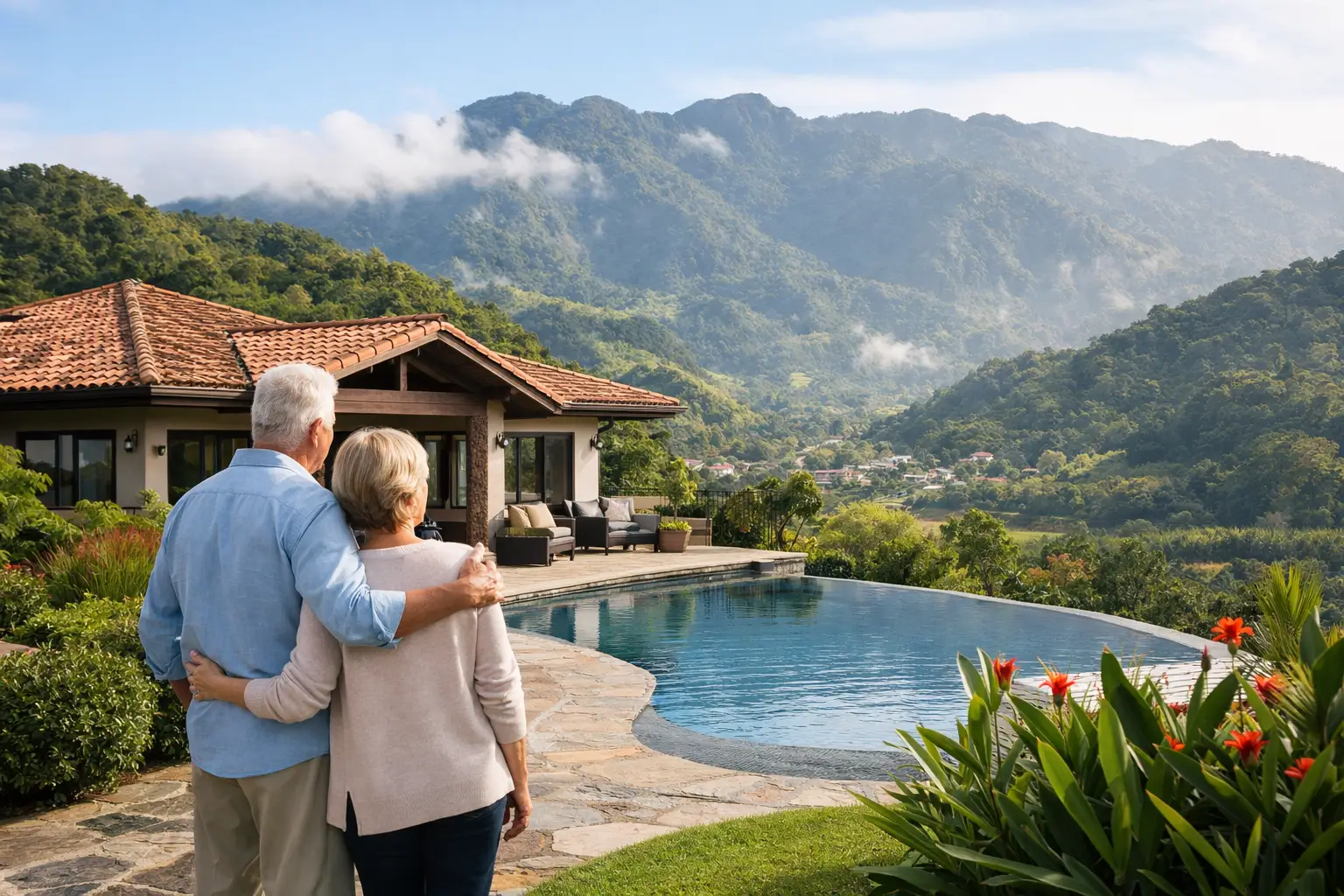
The phrase boquete panama retirement homes can mean two very different things: a private residence designed for an active retirement, or a senior-care community with daily support. Boquete is better known for the first option. Retirees come here to own or rent homes in a cool mountain setting, build a community, and stay close to the services available in David. Knowing that distinction early helps you search realistically and buy with confidence.

For many Americans, Boquete offers a compelling balance: springlike temperatures, dramatic scenery, an established international community, and access to the broader Chiriquí market. But the best retirement property is not simply the one with the prettiest view. It is the home that works when you need groceries, medical appointments, visitors, maintenance, and reliable support years after closing.

What Retirement Living in Boquete Really Looks Like

Boquete is a mountain town in Chiriquí Province, set above the lowland heat near David. Its climate is a major reason retirees consider it. Days are often cooler than coastal Panama, evenings can be comfortable, and many homes are designed around gardens, terraces, and views of Volcán Barú.

The lifestyle is generally independent. Residents often live in single-family homes, condos, gated communities, or small residential developments. They participate in local dining, social groups, outdoor activities, volunteer networks, and the practical rhythm of a small town with a sizable expatriate presence.

That independence is appealing, but it also creates a planning responsibility. Boquete does not have the same depth of assisted-living, memory-care, and continuing-care options found in many large U.S. metropolitan areas. Buyers who expect to age in place should evaluate a home’s accessibility and create a future care plan rather than assuming every retirement need can be met inside one community.

Choosing the Right Area for a Retirement Home

Boquete is not one uniform market. Elevation, road access, microclimate, neighborhood character, and proximity to town can change significantly from one area to the next. A property that feels perfect during a short visit may be less practical during the rainy season or after several years of ownership.

Near Downtown Boquete

Homes closer to downtown are often attractive to retirees who value walkability or shorter drives to restaurants, banks, groceries, pharmacies, and community activities. Inventory may include smaller homes, townhomes, condos, and established residential properties.

The trade-off is that central locations can have more traffic, closer neighbors, and a higher price per square foot. Sidewalks and road conditions vary, so buyers should personally test the routes they expect to use regularly rather than relying on a map.

Alto Boquete and the David Corridor

Alto Boquete can offer warmer temperatures, more accessible terrain in certain locations, and practical access toward David. This can be a strong fit for buyers who want more land, easier driving conditions, or a shorter route to hospitals and major shopping.

David is the regional service center. It is where many residents go for larger medical facilities, specialists, major retailers, airport access, and government services. A home in or near Boquete does not need to be next door to David, but the drive should feel manageable for your lifestyle and health needs.

Highlands and Rural Settings

Properties in Jaramillo, Caldera, Palmira, Bajo Boquete, and other surrounding areas may offer privacy, acreage, cooler temperatures, and exceptional views. They can also involve steeper roads, longer travel times, internet limitations, heavier rain, and more complex maintenance.

For an active retiree who wants gardens, a guest casita, or a quiet country setting, that may be a worthwhile trade-off. For someone prioritizing frequent medical appointments, minimal driving, or easy mobility, a more central home may provide greater long-term value.

Features That Support Aging in Place

A beautiful home can still be a poor retirement fit if it requires navigating multiple staircases, steep driveways, or difficult access every day. When evaluating Boquete Panama retirement homes, focus on features that protect comfort and flexibility over time.

Single-level living is often the starting point. A main-floor bedroom, full bathroom, kitchen, laundry area, and covered parking reduce the need to manage stairs. Wider hallways, step-free entrances, non-slip outdoor surfaces, good lighting, and walk-in showers may not feel glamorous during a first visit, but they can make a home far easier to enjoy later.

Utilities deserve the same attention. Ask about water source and storage, electrical service, backup power options, drainage, road maintenance, cell coverage, and internet providers. In the highlands, weather and topography can affect each of these. A backup water tank or generator may be a sensible part of the ownership plan, depending on the property.

Security should be assessed in practical terms. Some retirees prefer a gated community with staffed entry and shared maintenance. Others value a private home with a caretaker, alarm system, perimeter fencing, and trusted local service providers. Neither choice is universally better. The right arrangement depends on whether you expect to travel often, live in Panama year-round, or manage the property from abroad.

Ownership Costs Need More Than a Purchase Budget

A lower purchase price than a comparable U.S. home can make Boquete appealing, but retirement budgeting should extend beyond closing day. Property taxes, insurance, community fees, landscaping, repairs, transportation, utilities, household help, and property management all deserve a place in the calculation.

Larger mountain properties can be especially rewarding, but they usually require more attention. Roofs, drainage systems, gardens, retaining walls, access roads, septic systems, and exterior paint can all be affected by rain and moisture. A modest home with easy access and lower upkeep may serve a retirement plan better than a larger property that demands constant supervision.

For part-time owners, reliable local oversight becomes essential. Property management can include routine inspections, bill payment coordination, maintenance scheduling, rental collection where appropriate, and preparation before an owner’s arrival. The service should be clearly defined so there is no confusion about what is included and who approves expenses.

Buy With the Right Legal and Market Guidance

Foreign buyers can own real estate in Panama, but every transaction should be approached carefully. Title review, property boundaries, access rights, permits, utility arrangements, zoning considerations, and any homeowner association obligations should be examined before funds are committed.

A qualified Panamanian attorney should independently handle legal due diligence and explain the purchase structure, closing process, and ongoing obligations. Buyers should also understand whether the property is titled, whether any improvements match permitted plans, and whether a survey accurately reflects the land being purchased. These are not details to leave until the end of a negotiation.

Retirement planning can also involve residency, banking, health insurance, estate planning, and tax questions. Rules and eligibility requirements can change, including programs used by retirees, so confirm current information with the appropriate licensed professionals. Real estate guidance is most valuable when it works alongside legal, tax, and healthcare advice rather than trying to replace it.

With market knowledge built in Chiriquí since 1997, Nikolai Candanedo helps buyers look beyond listing photos and assess the location, ownership practicalities, and long-term fit of a property. That hands-on perspective matters when a home will become the foundation of a new life in Panama.

Visit Like a Resident Before You Decide

If possible, spend more than a weekend in the area. Drive the route from the property to downtown Boquete and David. Visit at different times of day. Notice road gradients, nighttime lighting, noise, rainwater flow, and how long routine errands actually take.

Talk honestly about the next ten years, not just the first one. Will the home work if one partner no longer drives? Is there room for visiting family or a live-in caregiver if needed? Could the property be rented or sold without difficulty if plans change? A retirement home should support freedom, not create a new set of burdens.

The right Boquete property is rarely defined by views alone. It is the place where climate, access, community, care planning, and ownership costs align with the retirement you want to live every ordinary day.

Panamanian Real Estate for Sale With Clarity

Panamanian Real Estate for Sale With Clarity

A low listing price can be the most expensive part of a Panama purchase if the road access is uncertain, the water source is seasonal, or the property cannot deliver the lifestyle or income you expect. Panamanian real estate for sale offers genuine opportunity, particularly in Chiriquí, but the strongest purchases come from local verification and a clear plan before an offer is written.

For a retiree seeking a mountain home, an investor looking for rental income, or a family planning a long-term move, Panama is not one single market. Conditions change from one district to the next, and even neighboring properties can have very different access, infrastructure, title history, and resale appeal. The goal is not simply to find a beautiful property. It is to find the right property for your purpose and acquire it with confidence.

Why Chiriquí Draws Serious Buyers

Chiriquí has become a natural focus for international buyers because it offers range. Boquete is known for its temperate mountain climate, established expatriate community, restaurants, healthcare access, and homes that appeal to lifestyle buyers. Tierras Altas attracts those who prefer cooler temperatures, productive agricultural land, and a quieter highland setting. David provides the commercial base, airport access, hospitals, schools, shopping, and year-round demand that supports both residents and many rental strategies.

Puerto Armuelles presents a different profile. Its coastal location, lower entry points in selected areas, and evolving development story can be attractive to buyers willing to take a longer view. It may not suit someone who wants Boquete’s established mountain amenities, but it can make sense for buyers who prioritize the coast, land potential, or future appreciation over immediate polish.

This variety is a strength, but it also means broad national averages are of limited use. A home in central Boquete, a farm outside Volcán, a commercial property in David, and a beachfront parcel near Puerto Armuelles should not be evaluated through the same lens.

Panamanian Real Estate for Sale: Start With Purpose

Before reviewing listings, define what the property must accomplish over the next five to ten years. This step sounds basic, yet it prevents buyers from being led by scenery, finishes, or an unusually attractive asking price.

A primary residence should be assessed around daily life: climate, medical access, travel time to town, internet reliability, road conditions, maintenance demands, and community fit. A rental property needs another level of analysis. The relevant questions include local tenant demand, likely occupancy, furnishing costs, management needs, operating expenses, and whether short-term rentals are practical for that location.

Land requires even more patience. Flat land with public-road frontage, dependable utilities, clear boundaries, and a realistic development path can be worth materially more than a larger parcel that is difficult to access or improve. Productive acreage may also depend on elevation, drainage, water availability, soil conditions, and the feasibility of bringing equipment to the site.

There is no universally best area in Chiriquí. The right choice depends on whether you value climate, convenience, rental performance, privacy, agricultural potential, or a specific budget. A good advisor will help you make those trade-offs early rather than steering every client toward the same town.

Look Beyond the Asking Price

The listed price is only the opening figure in a sound acquisition analysis. Buyers should build a realistic ownership budget that includes closing expenses, legal review, due diligence, furnishing or renovation, insurance, utilities, security, landscaping, and ongoing maintenance. For an income property, reserve funds for vacancy and repairs should be part of the calculation from the beginning.

Foreign buyers also need to consider how their funds will be transferred and documented. Panama has banking and compliance procedures that can require clear records regarding the source of funds. Planning this process early reduces delays when the right property becomes available.

Value should be grounded in comparable properties, location-specific demand, condition, and the cost to replace or improve what is already there. A seller’s emotional attachment, a dramatic view, or a nearby listing with a high price does not establish market value. At the same time, the cheapest available property is not always a bargain. It may carry constraints that limit resale, financing options, rental demand, or the ability to build.

Due Diligence Is Where Confidence Is Built

Panama welcomes foreign ownership, but every transaction deserves disciplined due diligence. The precise process varies by property type and ownership structure, which is why experienced local legal and real estate guidance is essential.

A careful review commonly includes confirming the registered owner, examining title and property records, checking for liens or restrictions, verifying tax status, and confirming that the physical property matches the documents. Survey lines, easements, access rights, zoning considerations, and utility arrangements can be especially important for land and rural properties.

Buyers should also understand whether they are purchasing a titled property, rights of possession, or a property held through a corporation. These are not interchangeable structures. Rights of possession can be common in certain locations, but they require a different level of investigation and may not fit every buyer’s risk tolerance or future plans. A corporation may offer practical advantages in some circumstances, though it also brings administrative obligations that should be understood before closing.

Physical inspection matters just as much as paperwork. In mountain areas, assess drainage, retaining walls, roof condition, road access during the rainy season, and water supply. In coastal areas, look closely at corrosion, flooding exposure, access, and maintenance requirements. For any property, confirm internet options rather than relying on a general statement that service is available nearby.

The Markets Require Different Buying Strategies

Boquete and the surrounding highlands

Boquete buyers often place lifestyle first, and the market reflects that demand. Well-maintained homes in accessible locations with views, gardens, reliable utilities, and proximity to town can hold broad appeal. The trade-off is that desirable homes may command a premium, especially when they are move-in ready and suitable for international buyers.

The areas outside town can offer more land, privacy, and value, but access and infrastructure need closer attention. A property that feels pleasantly remote on a sunny afternoon may feel very different during heavy rain or when regular trips to town become part of daily life.

Tierras Altas and Volcán

Tierras Altas can appeal to buyers seeking cooler weather, gardens, agriculture, and open space. Its agricultural strength is meaningful, but land buyers should avoid assumptions. Ask about the property’s actual water source, historical use, road access, and any limitations on development. A parcel’s potential depends on facts that cannot be judged from photos.

David and Puerto Armuelles

David often suits buyers who value convenience, services, and practical rental demand. It can be a sensible choice for commercial activity, long-term rentals, or residents who prefer an urban center over a resort-style setting. Puerto Armuelles may reward buyers with patience and a clear coastal strategy, but market depth and neighborhood conditions should be evaluated carefully, property by property.

Build the Right Team Before You Commit

A cross-border purchase should not feel like a solo project. Your real estate advisor, attorney, inspector, accountant, and property manager each serve a different role. The value comes from coordination, candor, and local knowledge, not from rushing toward a closing date.

Since 1997, Nikolai Candanedo has worked with buyers and owners across Panama with a hands-on approach that extends beyond matching clients with listings. That support can include market perspective, property search guidance, cash flow analysis, rental collection coordination, and practical assistance after ownership begins. For overseas owners especially, ongoing local support can be as valuable as the purchase itself.

Ask direct questions before selecting representation. How will comparable values be assessed? What will be verified before an offer? Who will communicate with the attorney and seller? What help is available after closing if you need maintenance, tenants, or local coordination? Clear answers are a strong indicator of professional service.

Make the Offer Fit the Property

A well-structured offer does more than state a price. It identifies the property accurately, sets a deposit process, establishes a due diligence period, and addresses conditions that matter to the buyer. Depending on the transaction, these may involve title review, inspection findings, verification of access, inventory, or the delivery of specific documentation.

Do not let urgency replace judgment. Good properties can attract competition, but speed without verification creates risk. Conversely, an offer that is too aggressive or poorly supported can damage a negotiation. Local market knowledge helps buyers distinguish between a property that calls for decisive action and one that deserves a measured approach.

The best Panama purchase is one you will still feel good about after the view becomes familiar and ownership responsibilities begin. Start with your purpose, verify the facts that affect value, and work with people who know the ground beneath the listing. That is how a promising property becomes a decision you can live with comfortably.

Is Boquete Panama a Good Place to Live?

Is Boquete Panama a Good Place to Live?

A lot of people ask the same question after one visit to Boquete: is Boquete Panama a good place to live, or is it simply a beautiful mountain town that feels great for a week and different over the long term? That is the right question to ask, especially if you are planning a relocation, retirement, second-home purchase, or investment in Chiriqui.

The honest answer is yes, Boquete can be an excellent place to live – but not for everyone. It offers climate, scenery, community, and a calmer pace that many buyers from the US find deeply appealing. At the same time, it comes with trade-offs that matter, particularly around weather, topography, healthcare access, and expectations about daily convenience. If you are evaluating Boquete seriously, the goal is not to fall in love with the postcard version. The goal is to decide whether the real version fits your life.

Is Boquete Panama a Good Place to Live for the Long Term?

For many full-time residents, the biggest advantage is quality of life. Boquete sits in the highlands of Chiriqui, and its cooler temperatures are a major draw for people coming from hotter coastal areas or dense urban markets. You get green views, mountain air, and a town that still feels connected to nature. That alone makes it attractive to retirees, remote workers, and buyers who want a quieter daily rhythm.

But long-term living is about more than climate. Boquete has developed into one of Panama’s best-known expat destinations, which means newcomers often find an easier landing here than in less established markets. There are social groups, restaurants, services, and a familiarity that can reduce the stress of moving abroad. For some buyers, that built-in community is a major reason they stay.

At the same time, people looking for a highly urban lifestyle may find Boquete limiting. It is not Panama City. It is not designed for nightlife, luxury retail, or fast-paced business networking. If your idea of a good place to live depends on major-city energy, you may feel the town is too quiet after the novelty wears off.

What Daily Life in Boquete Really Feels Like

Daily life in Boquete tends to be comfortable, scenic, and slower. Mornings are often cool. Afternoons can bring rain, especially in the wetter months. Traffic is manageable compared with large cities, but town congestion can still build during peak visitor periods and high season. You will see a mix of local families, expats, tourism activity, and agricultural life all operating in the same region.

That blend is part of Boquete’s appeal. You are not moving into an isolated resort bubble. You are living in a real Panamanian town with an international layer. For many people, that balance works well. It feels accessible without being sterile.

Still, expectations matter. Sidewalks, road conditions, and infrastructure can vary by neighborhood. Some homes are close to town and easy to access. Others offer incredible views but come with steeper roads, more driving, and less walkability. The lifestyle can look very different depending on exactly where you buy or rent.

Cost of Living and Housing

Boquete is often described as affordable, but that word needs context. Compared with many US housing markets, Boquete can offer strong value, especially for buyers seeking more land, mountain views, or a lower overall ownership cost. However, premium properties in desirable areas are not cheap simply because they are in Panama. Well-located homes, newer construction, and properties with strong rental appeal can command serious prices.

Renters and buyers should also understand that Boquete is not one single market. Prices vary significantly by neighborhood, elevation, views, road access, lot size, and proximity to downtown. A property near central Boquete will offer a different lifestyle and pricing structure than a home tucked into a hillside community or a larger parcel farther out.

This is where local guidance matters. A buyer may fall in love with a house based on photos and discover later that road access, drainage, internet reliability, or slope create practical issues. The right property in Boquete is rarely just about the home itself. It is about how the home performs in day-to-day living and, for some buyers, how it holds up as an income-producing asset.

Climate, Scenery, and the Real Trade-Offs

The weather is one of Boquete’s strongest selling points. Many residents love the spring-like temperatures and the lush landscape that comes with the highland setting. If you are leaving intense heat and humidity behind, Boquete can feel like a relief.

But the same environment that creates beautiful scenery also creates moisture. Rain is part of life here. Cloud cover is part of life here. Mold prevention, drainage, roof condition, and exterior maintenance matter more than many first-time buyers expect. If someone sells you only the romance of the mountain climate and not the upkeep that comes with it, you are not getting the full picture.

That does not make Boquete a poor choice. It simply means the town rewards practical buyers. Homes need to be evaluated with local conditions in mind, not just aesthetics.

Healthcare, Convenience, and Access

One reason Boquete works for many retirees and part-time residents is its relative access to the city of David. David expands your options for healthcare, shopping, banking, and services that may be more limited in Boquete itself. That regional connection is a real strength.

However, if immediate proximity to major hospitals and full urban infrastructure is your top priority, Boquete may feel one step removed. Many residents are comfortable with that trade-off because David is accessible, but it is still a trade-off. The right question is not whether Boquete has every convenience. It is whether the level of convenience matches your comfort level.

For remote workers and investors, internet and utility consistency should also be checked at the property level. Do not assume every area offers the same service quality. In a mountain market, specifics matter.

Is Boquete Panama a Good Place to Live for Retirees, Families, and Investors?

Retirees are often the most obvious fit because Boquete supports a lifestyle centered on climate, community, and a manageable pace. People who want to garden, entertain, enjoy restaurants, and live somewhere visually beautiful often do very well here.

Families can also make Boquete work, especially if they value outdoor living and a smaller-town environment. But family buyers usually need a more detailed review of schooling, driving patterns, healthcare preferences, and the practical realities of raising children in a less urban setting.

For investors, Boquete can be attractive, but only when the strategy is clear. Not every property is a good rental. Not every scenic home is easy to manage remotely. Not every parcel is ideal for development. This market rewards buyers who understand demand patterns, neighborhood differences, and the ongoing realities of ownership. That is why serious investors usually do better with localized market analysis instead of broad assumptions.

What People Tend to Love – and What They Sometimes Regret

People who thrive in Boquete usually appreciate nature, moderate weather, and a more grounded way of living. They like knowing the market by name, seeing familiar faces, and having enough infrastructure without being swallowed by a large city. They are comfortable with a place that feels personal rather than polished.

The regrets tend to come from mismatched expectations. Some buyers underestimate rain. Others choose homes too far from town, on roads they later find inconvenient. Some assume every expat-friendly market functions like the US and are surprised by the pace of local processes, maintenance demands, or the need for stronger due diligence.

The good news is that most of these problems are avoidable. With the right local support, buyers can narrow in on neighborhoods, property types, and ownership structures that truly align with how they plan to live.

So, Is Boquete the Right Move?

If you want mountain climate, natural beauty, an established international community, and better value than many US markets, Boquete deserves serious attention. If you need a dense urban core, instant access to every service, or a highly predictable suburban environment, it may not be the right fit.

The smartest way to evaluate Boquete is not by asking whether it is good in general. It is by asking whether it is good for you – your budget, your lifestyle, your health priorities, your mobility, and your long-term plans. That is the difference between buying into a dream and choosing a place that will actually serve you well.

After decades of working in Panama real estate, I can tell you this: Boquete is one of the most compelling lifestyle markets in the country, but the best outcomes come from matching the person to the property, not just the property to the view.

Properties for Sale in Boquete Panama

Properties for Sale in Boquete Panama

A mountain-view listing in Boquete can look perfect in photos and still be the wrong purchase once you factor in access, title history, rainfall, rental demand, and resale potential. That is why buyers searching for properties for sale in Boquete Panama need more than attractive inventory. They need local judgment, clear numbers, and guidance from someone who understands how this market behaves on the ground.

Boquete continues to attract retirees, investors, second-home buyers, and families looking for a different pace of life in Panama. The appeal is real. Cooler weather, established expat communities, strong natural beauty, and proximity to David make it one of the most recognized markets in Chiriqui. But recognition also creates noise. Not every property is priced correctly, not every neighborhood fits every buyer, and not every opportunity should be pursued simply because it is in Boquete.

What makes properties for sale in Boquete Panama different

Boquete is not a one-size-fits-all market. A buyer looking for a turnkey retirement home in a gated community is shopping in a very different segment than an investor seeking rentable villas or a developer evaluating raw land. The town offers all three, but each comes with different timelines, risks, and upside.

What sets Boquete apart is the combination of lifestyle value and long-term demand. Buyers are not only purchasing square footage. They are buying climate, elevation, scenery, community access, and often a slower and more intentional way of living. That emotional pull matters, but it should never replace due diligence. In Boquete, the details behind a property often matter more than the headline price.

For example, two homes with similar asking prices can perform very differently over time. One may have easy paved access, stronger construction, better utility reliability, and proven resale appeal. The other may sit on a steeper lot with higher maintenance needs and weaker year-round accessibility. From a distance, they can appear comparable. In practice, they are not.

The main property types buyers will find

Residential homes remain the core of the market. These range from compact homes near town to larger custom residences with mountain or canyon views. Some are ideal for full-time living, while others work better as seasonal homes. Buyers should pay close attention to maintenance standards, drainage, roof condition, and how the home handles the local climate.

Condominiums and gated community properties attract buyers who want simpler ownership. These can be a practical choice for retirees and part-time residents, especially when security, landscaping, and shared amenities reduce day-to-day responsibilities. The trade-off is that HOA structure, fees, and community rules matter a great deal. A lower-maintenance property can still become frustrating if the governance is weak or the fee structure is not sustainable.

Land is another major category. Some buyers want to build a dream home. Others want to hold land for appreciation or future development. In Boquete, land can be compelling, but it requires discipline. Topography, access roads, water availability, zoning considerations, and build costs can quickly change the economics of a deal. A lot that looks inexpensive may simply require too much additional investment to make sense.

Income-producing property also draws attention. Small rental homes, vacation-oriented inventory, and mixed-use opportunities can work well in the right location. But investors need to be realistic. Rental performance depends on property management, target tenant profile, seasonality, competition, and the condition of the asset. The best investment is not always the property with the highest advertised income. It is the one with the most reliable path to occupancy and manageable operating costs.

Where buyers tend to focus in Boquete

The area around downtown Boquete appeals to buyers who want convenience. Walkability, restaurants, daily services, and easier access to community life all support demand in this segment. These properties are attractive for full-time residents and for buyers who do not want to depend heavily on a car.

More elevated or outlying areas can offer larger lots, stronger views, and added privacy. For some buyers, that is the whole point of moving to Boquete. For others, the distance from town becomes a drawback after the first few months. This is one of the most common it-depends decisions in the market. Peace and space are valuable, but so is practical access to groceries, healthcare, and social activity.

Buyers should also look beyond the name of the area and focus on road quality, slope, drainage, neighborhood consistency, and nearby development patterns. A beautiful home in an isolated pocket may fit one client perfectly and be completely wrong for another. Good property advice is never just about what is available. It is about what aligns with the buyer’s actual lifestyle and long-term plan.

How pricing really works in this market

Pricing in Boquete is influenced by more than bedroom count and lot size. Views, micro-location, access, build quality, landscaping, furnishing, and title status all affect value. International buyers sometimes assume prices should follow familiar patterns from the US market. That approach can lead to poor comparisons.

In Boquete, one seller may price based on emotional attachment, another based on recent nearby sales, and another based on replacement cost or a desired return. That means asking prices can vary widely. Some listings are positioned well. Others sit too high for too long. The opportunity comes from knowing which is which.

This is where regional experience matters. Buyers need help separating aspirational pricing from market-supported pricing. A property can still be worth buying above the cheapest comparable if the location, finish quality, or rental viability genuinely supports the premium. At the same time, a lower price is not automatically a bargain if it masks legal, structural, or infrastructure issues.

What smart buyers should verify before making an offer

A careful purchase in Boquete starts with the fundamentals. Title review, survey confirmation, utility access, road access, tax status, and improvement documentation should all be part of the conversation early. Waiting until emotions are high and negotiations are advanced is a mistake.

Construction quality deserves close attention, especially in homes built for a specific owner rather than broad resale appeal. Materials, drainage, retaining walls, roofing, windows, and water systems all matter in a mountain climate. Cosmetic charm is easy to see. Long-term durability takes more discipline to evaluate.

Buyers interested in rental income should also verify the business case before they fall in love with a property. What is the realistic nightly or monthly rent? What occupancy is reasonable in that location? Who manages the property when the owner is out of the country? How are maintenance calls handled? An asset only works as an investment if the operations work too.

Why local guidance matters more in cross-border transactions

Buying in another country can feel straightforward until a small detail becomes a major delay. The process involves not just identifying the right property but coordinating expectations, documentation, negotiation strategy, closing steps, and post-sale planning. Buyers from the US often want the confidence of knowing someone is looking at the transaction from both a local and practical standpoint.

That is especially true in a market like Boquete, where lifestyle purchases and investment purchases often overlap. A home may serve as a residence today and a rental later. A land parcel may be held for future building or resale. A property manager may be just as important as the property itself for remote owners. Those decisions should be addressed before closing, not after.

This is where a relationship-driven advisory approach makes a difference. Experienced professionals do more than open doors and send listings. They help clients avoid mismatches, pressure-test assumptions, and move forward with confidence. Nikolai Candanedo has built his reputation in Panama real estate by doing exactly that with buyers who want clear guidance, market perspective, and personal attention from search to closing and beyond.

How to approach the Boquete market the right way

Start with your real goal. Are you relocating, investing, retiring, building, or looking for a mixed personal-use and income property? That answer should shape everything else, including location, budget, and property type.

Then get realistic about ownership. If you want low maintenance, prioritize access, services, and property condition. If you want upside, be prepared for more complexity. If you want immediate rental income, focus on operations and demand, not just scenery. The right purchase is rarely the most exciting listing at first glance. It is the property that still makes sense after the excitement wears off.

Boquete remains one of Panama’s most compelling real estate markets, but the best results come from patient evaluation and local insight. The right property should fit your life, your numbers, and your long-term plan – not just your first impression.

Panama Real Estate Prices in 2026

Panama Real Estate Prices in 2026

If you are looking at Panama real estate prices from the outside, the first mistake is assuming the market moves as one. It does not. A condo in Panama City, a mountain home in Boquete, a development parcel in David, and beachfront land near Puerto Armuelles can sit in the same country and behave like four different markets.

That is where many buyers and investors lose time and money. They compare headline prices instead of local demand, infrastructure, title condition, rental potential, and resale depth. In Panama, price per square meter matters, but context matters more.

What really shapes Panama real estate prices

Panama real estate prices are driven by a mix of local and international demand, but the strongest factor is still location quality. Not just location in the broad sense, but usable location. Is the property close to services? Does it have paved access? Reliable utilities? Strong views? Good microclimate? Clear title? Those details can create a major spread in pricing even between properties that look similar on paper.

In Chiriqui, for example, buyers often focus on lifestyle and practicality at the same time. Boquete draws retirees, second-home buyers, and rental investors because it offers climate, community, and amenities. Tierras Altas appeals to buyers who want cooler temperatures, agricultural potential, or larger parcels. David has a different profile, with more interest tied to commerce, healthcare access, logistics, and year-round local demand. Puerto Armuelles tends to attract buyers looking for lower entry points and long-term upside, especially near the coast.

Currency stability also plays a role. For US buyers, Panama feels more familiar because the economy is dollar-based. That removes one layer of exchange-rate anxiety, but it does not mean every property is priced efficiently. Some sellers price based on emotion, future dreams, or what they have invested into improvements. The market only rewards part of that.

Regional differences in Panama real estate prices

Boquete

Boquete usually commands some of the strongest pricing in Chiriqui because demand is consistent and international interest remains high. Well-located homes with views, gated community access, or strong finishes often hold value better than generic inventory. Land pricing can vary widely depending on slope, access, water availability, and how buildable the parcel really is.

Buyers are sometimes surprised that two homes with similar square footage can be priced far apart. In Boquete, elevation, road quality, neighborhood reputation, and even sun exposure can influence value. A property that is five minutes closer to town and easier to reach in rainy season can justify a meaningful premium.

David

David behaves more like a practical user market. Prices are often supported by local families, professionals, and business owners rather than lifestyle-driven international demand alone. That can create more stability in certain segments, especially for standard homes, commercial lots, and income-producing properties in functional locations.

The trade-off is that David does not always get the same emotional premium as Boquete. For some investors, that is a strength. If your goal is year-round occupancy, local tenant demand, and easier access to services, David deserves serious attention.

Tierras Altas

Tierras Altas has its own pricing logic. Larger land parcels, farming potential, cooler weather, and a quieter environment make it attractive, but liquidity can be different from Boquete or David. Some properties offer excellent value, especially for buyers who understand infrastructure needs and are not expecting city-style convenience.

This is where due diligence matters more than marketing. A beautiful parcel at an attractive price may still require road work, utility improvements, or additional legal review. The sticker price is only part of the acquisition cost.

Puerto Armuelles

Puerto Armuelles is often discussed in terms of upside. Prices can be lower relative to more established lifestyle markets, which naturally attracts bargain hunters and speculative buyers. Sometimes that creates real opportunity. Sometimes it creates unrealistic expectations.

The key question is timeline. If you need immediate liquidity or established rental demand, some areas will fit better than others. If you are comfortable with a longer horizon and selective positioning, coastal markets can make sense. But lower entry price should never replace careful market analysis.

Property type changes the pricing story

A broad conversation about Panama real estate prices only gets you so far unless you separate homes, condos, land, and commercial property.

Homes are usually priced by a combination of build quality, lot usability, finishes, and neighborhood appeal. In relocation-driven markets, lifestyle features matter a lot. Covered terraces, gardens, mountain views, backup water systems, and turnkey condition can influence pricing far more than buyers expect.

Condos tend to be more sensitive to monthly fees, building management, and resale competition. A lower purchase price is not always the better value if the association is weak or the building has deferred maintenance.

Land is where pricing mistakes happen most often. Buyers see a low per-acre number and assume value. But land needs to be judged by title status, topography, drainage, road frontage, access to utilities, development restrictions, and marketable exit strategy. Cheap land can become expensive very quickly.

Commercial and mixed-use property requires another lens entirely. Frontage, traffic flow, visibility, parking, tenant profile, and local business demand matter more than scenic appeal. Investors who buy commercial property based on residential instincts usually misprice risk.

Why asking prices and market value are not the same

This point matters in Panama. Sellers may list high to test the market, especially if the property is unique or if there is no strong pressure to sell. That does not mean the market agrees.

A serious buyer should always ask: what has actually sold, how long are comparable properties sitting, and what makes this asset more desirable than the alternatives? If a property has been listed for a long time with little traction, the issue may be price, but it could also be access, legal clarity, outdated improvements, or weak positioning.

This is one reason personalized guidance matters. Local experience helps separate a genuinely premium asset from an overpriced listing with a good sales pitch.

Are prices in Panama still attractive for US buyers?

For many US buyers, yes, but the answer depends on what you are comparing Panama to. If you are coming from high-cost markets in California, Colorado, Texas, or Florida, many parts of Panama can still feel accessible. You may find more land, better climate, or lower carrying costs for the price.

But attractive does not mean cheap across the board. Prime property is rarely discounted for long. The best homes in desirable areas, especially those that are move-in ready and legally clean, tend to draw attention. Buyers waiting for an obvious bargain in a prime location often end up chasing inventory that no longer exists.

The better question is whether the pricing aligns with your goal. If you want a retirement home, rental income, future development, or capital preservation, each path points to a different part of the market.

How buyers should evaluate value, not just price

The strongest purchases are usually not made by buyers chasing the absolute lowest number. They are made by buyers who understand fit.

A property may be worth paying more for if it saves you time, reduces legal risk, supports rentals, or protects resale value. A lower-priced home that needs major updates, sits in a weak location, or lacks clear paperwork can cost more in the long run.

The same goes for sellers. Pricing too high can damage momentum. In many regional markets, the first wave of attention is the most valuable. If the property misses the market early, price reductions later may not recover that lost energy.

What smart investors watch next

The next phase of pricing in Panama will continue to depend on infrastructure, migration patterns, remote work demand, retiree interest, and local economic growth. But broad optimism is not enough. Real estate is local, and returns are built through selection.

That is especially true in Chiriqui. One valley, one town, even one road can perform differently from the next. Buyers who treat the region as interchangeable usually overpay somewhere or overlook a stronger opportunity nearby.

After working in this market for decades, one truth remains consistent: the best real estate decisions are rarely driven by hype. They come from reading the local market correctly, asking better questions, and choosing a property that fits your timeline, your risk tolerance, and your long-term plan.

Is Panama Real Estate a Good Investment?

Is Panama Real Estate a Good Investment?

You do not buy property in Panama because a headline says it is hot. You buy because the numbers work, the location fits your goal, and the risks are clear before you wire a dollar. If you are asking, is Panama real estate a good investment, the honest answer is yes for the right buyer, in the right area, with the right guidance. It is not a blanket yes for every condo, every beach lot, or every promise of fast appreciation.

Panama stands out because it offers something many buyers from the US are looking for at the same time – dollar-based transactions, relatively accessible property prices in selected markets, a stable business environment, and lifestyle demand from locals, expats, retirees, and regional investors. That combination creates real opportunity. It also creates noise, especially for overseas buyers who are seeing listings from a distance and trying to judge value without local context.

Is Panama real estate a good investment for US buyers?

For many US buyers, Panama feels familiar in one important way: the economy is tied closely to the US dollar. That reduces one layer of currency uncertainty that often makes international real estate harder to evaluate. Buyers also tend to appreciate Panama’s connectivity, legal property ownership options for foreigners, and its mix of city, mountain, agricultural, and coastal markets.

But investment quality depends on the strategy. A retiree buying a home in Boquete for personal use is making a different decision than an investor targeting rental income in David or a developer assembling land in Tierras Altas. The first may care more about long-term livability and resale resilience. The second needs occupancy, operating costs, and demand drivers. The third must think about infrastructure, zoning, and absorption over time.

That is why broad claims about Panama are rarely useful. The real question is whether a specific property in a specific submarket supports your financial and lifestyle goals.

What makes Panama property attractive

Panama has several structural advantages that continue to attract attention. One is relative affordability compared with many US markets. In parts of Chiriqui, buyers can still find homes, land, and income-producing opportunities at price points that are difficult to match in comparable lifestyle markets in the US.

Another is demand diversity. Panama is not supported by one single buyer profile. There is demand from Panamanian families, returning nationals, retirees, remote workers, agricultural investors, and expats seeking a lower-cost or more flexible lifestyle. In stronger markets, that mix can support both resale and rental activity.

The country also appeals to buyers who want more than speculation. In areas such as Boquete and Tierras Altas, real estate can serve two purposes at once – personal enjoyment today and potential long-term value tomorrow. That dual-use appeal matters because it gives owners more ways to justify holding through market cycles.

Where the opportunity is strongest in Chiriqui

Not all Panamanian markets move for the same reasons. Chiriqui is especially interesting because it offers several distinct investment profiles within one province.

Boquete tends to attract lifestyle buyers, retirees, and expats. That supports demand for homes, smaller developments, and selected rental properties. The appeal here is not just price. It is climate, scenery, community, and established international visibility. Properties with good access, strong build quality, and realistic pricing usually have the best long-term position.

David operates differently. As a commercial and service hub, it has a stronger local economy and practical housing demand. Investors looking for year-round occupancy often find David easier to analyze from a pure rental perspective because it is driven less by tourism and more by daily economic activity.

Tierras Altas attracts buyers interested in cooler mountain conditions, agricultural land, and future-oriented land plays. This can be compelling, but land requires patience and careful due diligence. Infrastructure, road access, water, and permitted use matter far more than a simple price per acre.

Puerto Armuelles can look attractive to buyers searching for coastal upside. There may be opportunity there, especially for those comfortable with early-stage or transitional markets, but that comes with more uncertainty. If your priority is preservation of capital, a market with deeper demand may be the better choice.

The returns can be real, but they are not automatic

A good Panama investment can produce returns in three ways: appreciation, rental income, or improved value through development or repositioning. Some properties offer only one of these. The best opportunities often offer at least two.

Appreciation is the most commonly advertised and the least reliable if it is your only plan. Prices can rise over time, especially in proven lifestyle markets, but buying solely on the idea that someone else will pay much more later is risky in any country.

Rental income is more measurable. You can estimate local rent levels, occupancy patterns, management costs, maintenance, taxes, utilities, and reserve expenses. The key is to use realistic figures. Too many buyers project peak-season income and ignore slow periods, repairs, furnishing costs, and the effort required to manage from abroad.

Value-add opportunities can be strong in Panama, especially with land or under-marketed residential assets, but only when legal, physical, and operational details are understood upfront. This is where local expertise changes the outcome.

Risks that should not be ignored

If someone tells you Panama real estate is all upside, walk away. Every market has friction.

Title and due diligence are first. You need clarity on ownership, boundaries, access rights, tax status, and any limitations affecting use or transfer. This is particularly important with land, rural property, or inherited holdings.

Liquidity is another factor. Some segments in Panama move quickly, while others can sit for extended periods if priced incorrectly. If you may need to sell on a fixed timeline, that matters.

Property management also deserves serious attention. A rental home or vacation property can become expensive quickly if it is not well managed. Distance amplifies every small problem, from maintenance coordination to rent collection.

There is also the issue of overpaying as a foreign buyer. This happens more often than people realize, especially in markets with strong expat appeal. A beautiful view does not erase weak comparable sales.

Is Panama real estate a good investment for rental income?

It can be, but this is where discipline matters most. Short-term rentals may work well in certain lifestyle destinations, while long-term rentals may be more dependable in practical urban markets. The right choice depends on local demand, regulation, seasonality, and your willingness to operate actively.

In Boquete, furnished rentals can attract retirees, seasonal residents, and visitors testing the area before buying. That can create attractive income, but occupancy may fluctuate. In David, long-term rentals often benefit from steadier local demand. The yields may look less dramatic on paper, yet the cash flow can be more consistent.

Remote owners should also think beyond gross rent. Management fees, cleaning, repairs, insurance, vacancy, and furnishing replacement all affect actual return. A property that looks excellent in a listing sheet can become average once the true carrying costs are included.

How to judge a Panama deal correctly

Start with your objective. If the goal is retirement in five years, the property should work as a home first and an investment second. If the goal is income, focus on demand drivers, net yield, and management practicality. If the goal is land banking or development, patience and due diligence are everything.

Then study the micro-market, not just the country. A well-located home in Boquete and an isolated parcel outside a secondary area are not part of the same investment story, even if both are in Panama. Comparable sales, road quality, neighborhood trajectory, and buyer profile all shape future performance.

Finally, build your numbers conservatively. Assume slower rent-up, higher maintenance, and a longer resale timeline than the sales pitch suggests. If the deal still works, you may have something worth pursuing.

After working in Panama real estate for decades, one thing remains true: the buyers who do best are not the ones chasing hype. They are the ones who ask better questions, understand the region, and choose property that fits both their plans and the local market. If that is how you approach Panama, the investment case can be very strong.

The best property decision is rarely the flashiest one. It is the one you can still feel confident about after the excitement wears off and the real ownership begins.