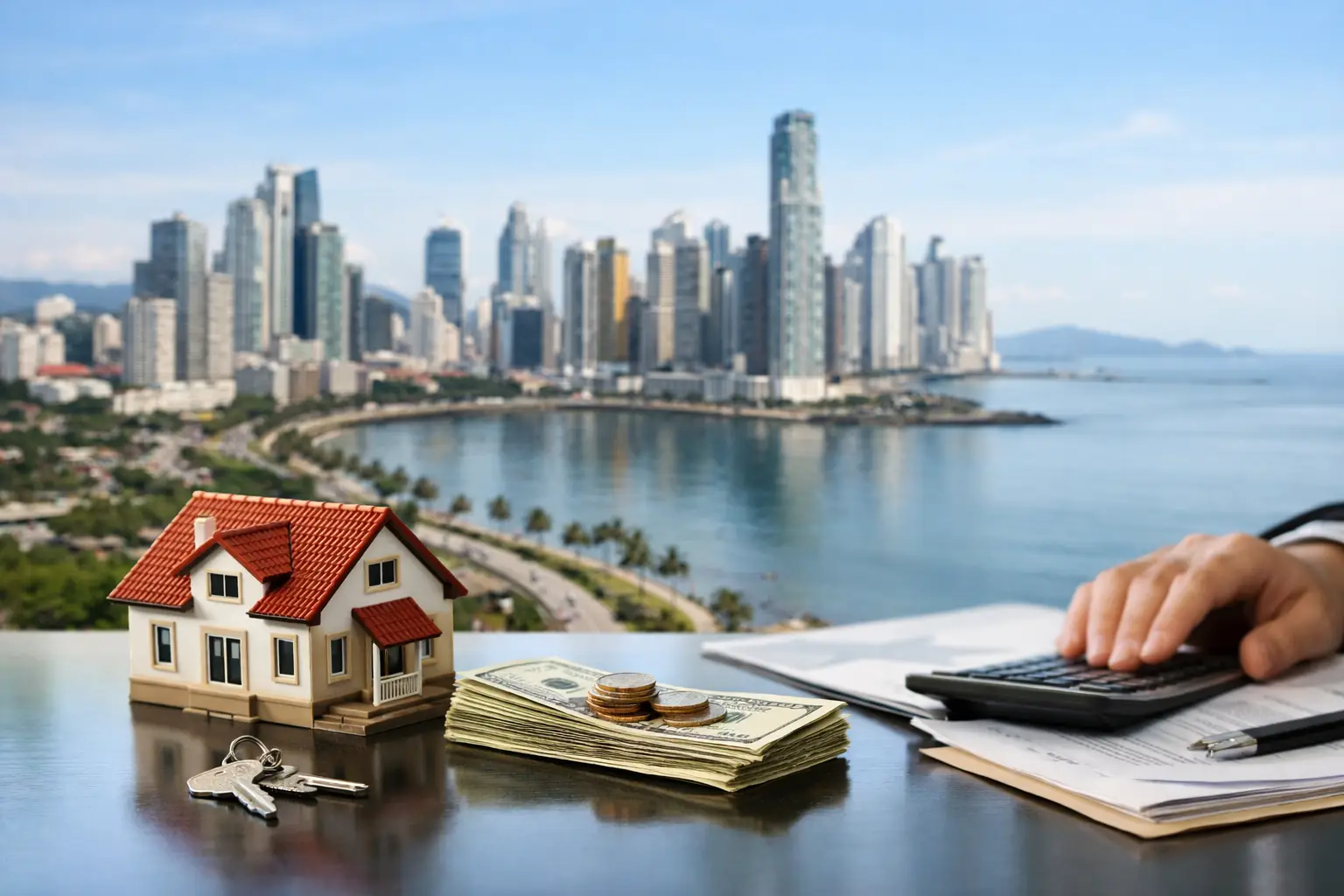
You do not buy property in Panama because a headline says it is hot. You buy because the numbers work, the location fits your goal, and the risks are clear before you wire a dollar. If you are asking, is Panama real estate a good investment, the honest answer is yes for the right buyer, in the right area, with the right guidance. It is not a blanket yes for every condo, every beach lot, or every promise of fast appreciation.
Panama stands out because it offers something many buyers from the US are looking for at the same time – dollar-based transactions, relatively accessible property prices in selected markets, a stable business environment, and lifestyle demand from locals, expats, retirees, and regional investors. That combination creates real opportunity. It also creates noise, especially for overseas buyers who are seeing listings from a distance and trying to judge value without local context.
Is Panama real estate a good investment for US buyers?
For many US buyers, Panama feels familiar in one important way: the economy is tied closely to the US dollar. That reduces one layer of currency uncertainty that often makes international real estate harder to evaluate. Buyers also tend to appreciate Panama’s connectivity, legal property ownership options for foreigners, and its mix of city, mountain, agricultural, and coastal markets.
But investment quality depends on the strategy. A retiree buying a home in Boquete for personal use is making a different decision than an investor targeting rental income in David or a developer assembling land in Tierras Altas. The first may care more about long-term livability and resale resilience. The second needs occupancy, operating costs, and demand drivers. The third must think about infrastructure, zoning, and absorption over time.
That is why broad claims about Panama are rarely useful. The real question is whether a specific property in a specific submarket supports your financial and lifestyle goals.
What makes Panama property attractive
Panama has several structural advantages that continue to attract attention. One is relative affordability compared with many US markets. In parts of Chiriqui, buyers can still find homes, land, and income-producing opportunities at price points that are difficult to match in comparable lifestyle markets in the US.
Another is demand diversity. Panama is not supported by one single buyer profile. There is demand from Panamanian families, returning nationals, retirees, remote workers, agricultural investors, and expats seeking a lower-cost or more flexible lifestyle. In stronger markets, that mix can support both resale and rental activity.
The country also appeals to buyers who want more than speculation. In areas such as Boquete and Tierras Altas, real estate can serve two purposes at once – personal enjoyment today and potential long-term value tomorrow. That dual-use appeal matters because it gives owners more ways to justify holding through market cycles.
Where the opportunity is strongest in Chiriqui
Not all Panamanian markets move for the same reasons. Chiriqui is especially interesting because it offers several distinct investment profiles within one province.
Boquete tends to attract lifestyle buyers, retirees, and expats. That supports demand for homes, smaller developments, and selected rental properties. The appeal here is not just price. It is climate, scenery, community, and established international visibility. Properties with good access, strong build quality, and realistic pricing usually have the best long-term position.
David operates differently. As a commercial and service hub, it has a stronger local economy and practical housing demand. Investors looking for year-round occupancy often find David easier to analyze from a pure rental perspective because it is driven less by tourism and more by daily economic activity.
Tierras Altas attracts buyers interested in cooler mountain conditions, agricultural land, and future-oriented land plays. This can be compelling, but land requires patience and careful due diligence. Infrastructure, road access, water, and permitted use matter far more than a simple price per acre.
Puerto Armuelles can look attractive to buyers searching for coastal upside. There may be opportunity there, especially for those comfortable with early-stage or transitional markets, but that comes with more uncertainty. If your priority is preservation of capital, a market with deeper demand may be the better choice.
The returns can be real, but they are not automatic
A good Panama investment can produce returns in three ways: appreciation, rental income, or improved value through development or repositioning. Some properties offer only one of these. The best opportunities often offer at least two.
Appreciation is the most commonly advertised and the least reliable if it is your only plan. Prices can rise over time, especially in proven lifestyle markets, but buying solely on the idea that someone else will pay much more later is risky in any country.
Rental income is more measurable. You can estimate local rent levels, occupancy patterns, management costs, maintenance, taxes, utilities, and reserve expenses. The key is to use realistic figures. Too many buyers project peak-season income and ignore slow periods, repairs, furnishing costs, and the effort required to manage from abroad.
Value-add opportunities can be strong in Panama, especially with land or under-marketed residential assets, but only when legal, physical, and operational details are understood upfront. This is where local expertise changes the outcome.
Risks that should not be ignored
If someone tells you Panama real estate is all upside, walk away. Every market has friction.
Title and due diligence are first. You need clarity on ownership, boundaries, access rights, tax status, and any limitations affecting use or transfer. This is particularly important with land, rural property, or inherited holdings.
Liquidity is another factor. Some segments in Panama move quickly, while others can sit for extended periods if priced incorrectly. If you may need to sell on a fixed timeline, that matters.
Property management also deserves serious attention. A rental home or vacation property can become expensive quickly if it is not well managed. Distance amplifies every small problem, from maintenance coordination to rent collection.
There is also the issue of overpaying as a foreign buyer. This happens more often than people realize, especially in markets with strong expat appeal. A beautiful view does not erase weak comparable sales.
Is Panama real estate a good investment for rental income?
It can be, but this is where discipline matters most. Short-term rentals may work well in certain lifestyle destinations, while long-term rentals may be more dependable in practical urban markets. The right choice depends on local demand, regulation, seasonality, and your willingness to operate actively.
In Boquete, furnished rentals can attract retirees, seasonal residents, and visitors testing the area before buying. That can create attractive income, but occupancy may fluctuate. In David, long-term rentals often benefit from steadier local demand. The yields may look less dramatic on paper, yet the cash flow can be more consistent.
Remote owners should also think beyond gross rent. Management fees, cleaning, repairs, insurance, vacancy, and furnishing replacement all affect actual return. A property that looks excellent in a listing sheet can become average once the true carrying costs are included.
How to judge a Panama deal correctly
Start with your objective. If the goal is retirement in five years, the property should work as a home first and an investment second. If the goal is income, focus on demand drivers, net yield, and management practicality. If the goal is land banking or development, patience and due diligence are everything.
Then study the micro-market, not just the country. A well-located home in Boquete and an isolated parcel outside a secondary area are not part of the same investment story, even if both are in Panama. Comparable sales, road quality, neighborhood trajectory, and buyer profile all shape future performance.
Finally, build your numbers conservatively. Assume slower rent-up, higher maintenance, and a longer resale timeline than the sales pitch suggests. If the deal still works, you may have something worth pursuing.
After working in Panama real estate for decades, one thing remains true: the buyers who do best are not the ones chasing hype. They are the ones who ask better questions, understand the region, and choose property that fits both their plans and the local market. If that is how you approach Panama, the investment case can be very strong.
The best property decision is rarely the flashiest one. It is the one you can still feel confident about after the excitement wears off and the real ownership begins.

Leave a Reply