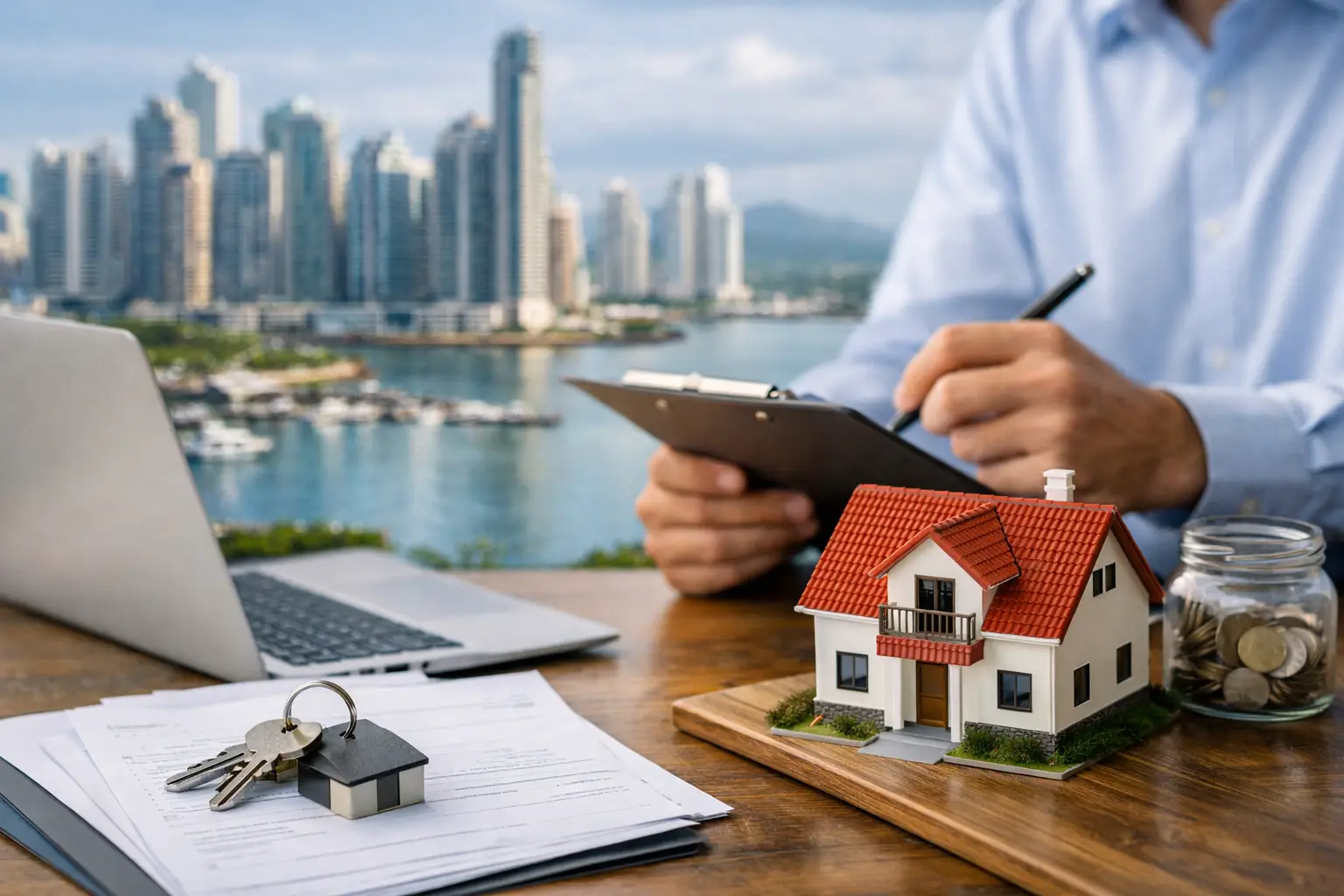
A vacant home in Boquete, a furnished apartment in David, or a beach rental near Puerto Armuelles can look like a promising investment on paper. The return depends on what happens after the keys change hands. Learning how to manage rental property in Panama means building a dependable operating system for tenants, repairs, rent collection, and communication – especially when you live abroad or visit only part of the year.
For owners in Chiriquí, property management is not simply collecting rent. It is the work that protects an asset, supports cash flow, and keeps small problems from becoming expensive ones. The right approach will differ for a long-term family rental, a furnished retirement home, and a short-stay property, but the fundamentals remain the same.
Start With the Right Rental Strategy
Before advertising a property, decide exactly what it is meant to do. Long-term rentals usually offer more predictable occupancy and less turnover. They may be a better fit for owners who value stable monthly income and fewer furnishing, cleaning, and guest-service demands. Short-term rentals can produce higher revenue during strong travel periods, but they require faster communication, more frequent inspections, and a larger operating budget.
In markets such as Boquete and Tierras Altas, tenant demand can be shaped by climate, proximity to town, road access, internet reliability, furnished condition, and security. In David, convenience to services, hospitals, schools, and business areas may carry more weight. Do not set a strategy based solely on what a similar property earns in another town. Rental demand is local, and details matter.
A clear strategy also answers practical questions early: Will the property be furnished? Are utilities included? Is gardening part of the rent? Are pets allowed? Will the owner permit a lease renewal? Ambiguity creates conflict later, particularly when an owner is managing from the United States or another country.
Price for Occupancy and Quality Tenants
The highest advertised rent is not always the best financial decision. An overpriced home can sit empty for months, while a well-priced property with a qualified tenant may deliver better annual cash flow. Review comparable rentals by location, property condition, furnishings, parking, views, outdoor space, and included services.
Then calculate the full cost of ownership. Include property taxes, insurance, condominium fees where applicable, internet, landscaping, repairs, reserve funds, management fees, turnover cleaning, and vacancy periods. This gives you a realistic net-income target rather than a hopeful gross-rent figure.
Pricing should be reviewed at renewal, not changed impulsively whenever demand rises. A reliable tenant who pays on time and cares for the home has real value. If an adjustment is warranted, communicate it clearly and with appropriate notice under the terms of the agreement and applicable local requirements.
Make the Listing Match the Reality
Accurate marketing attracts better inquiries. Use current photographs, describe the neighborhood honestly, and identify limitations such as a steep driveway, limited storage, seasonal road conditions, or the need for a vehicle. For furnished rentals, provide an inventory of major items rather than relying on general phrases such as “fully equipped.”
A tenant who knows what to expect is less likely to become dissatisfied after move-in. This is particularly valuable in Panama, where international tenants may have different expectations about utilities, construction styles, air conditioning, water pressure, or rural living.
Screen Tenants With Consistency
Good tenant screening is one of the most effective forms of property protection. It should be consistent, documented, and applied fairly. A personal conversation is useful, but it is not enough on its own.
Ask prospective tenants for identification, employment or income information, prior landlord references when available, the expected number of occupants, intended lease term, and whether pets will live at the property. Verify what can reasonably be verified. For self-employed applicants or retirees, proof of income may look different from a standard employment letter, so assess the full picture rather than relying on a single document.
Keep the process professional. Avoid informal promises before the lease, deposit, and move-in conditions are complete. A strong applicant can still become a difficult tenancy if expectations around payment dates, maintenance responsibilities, visitors, smoking, pets, and early termination were never put in writing.
Use a Detailed Lease and Move-In Record
A lease is the operating agreement for the rental, not a formality. It should identify the parties, property, rent amount, due date, late-payment terms, deposit, lease period, renewal process, utility responsibilities, maintenance obligations, property rules, and procedures for notices or access.
Panama’s legal and practical requirements can vary with the type of tenancy and location. Owners should obtain local legal guidance before relying on a generic lease from another country. A document designed for a U.S. state may not address local procedures, language needs, or enforceability concerns.
At move-in, complete a signed condition report with dated photos and meter readings. Document walls, appliances, furniture, keys, remotes, outdoor areas, and existing wear. This takes time, but it prevents the most common dispute at move-out: disagreement over what was there before the tenant arrived.
Create a Rent Collection System That Leaves a Record
Rent collection should be simple for the tenant and easy to audit for the owner. Establish one payment method, one due date, and a clear written process for receipts and follow-up. Whether funds are paid by bank transfer, local deposit, or another agreed method, the payment trail should be documented every month.
Do not allow late rent to become an informal arrangement. A respectful reminder after a missed payment is appropriate, but repeated delays require prompt action according to the lease and local law. Waiting too long can make recovery more difficult and can send the message that the payment date is optional.
For remote owners, monthly reporting is essential. A useful report shows rent received, outstanding balances, maintenance costs, invoices, reserve funds, and any issue requiring the owner’s decision. Clear records also make tax preparation and future resale analysis far easier.
Treat Maintenance as Asset Preservation
Reactive maintenance is expensive. A small roof leak, clogged drain, failing water pump, or loose exterior railing can quickly become a larger repair and a tenant-relations problem. Schedule inspections at reasonable intervals and encourage tenants to report concerns early.
In Chiriquí, weather and microclimates matter. Heavy rain, humidity, mountain conditions, salt air near the coast, and periods of vacancy can affect roofs, drainage, paint, mold prevention, landscaping, and appliances. An owner should keep a maintenance reserve instead of assuming each month’s rent is available for personal use.
Have reliable service contacts before an emergency occurs. The most useful local network often includes a plumber, electrician, general repair professional, cleaner, gardener, appliance technician, and someone who can check the property after a storm or extended vacancy. Quality work is not always the lowest quote. Verify scope, cost, and completion, and keep invoices with property records.
Set Approval Limits Before Repairs Are Needed
If a manager or trusted representative oversees the home, agree on a spending threshold in advance. For example, routine repairs below a defined amount may be authorized immediately, while larger work requires owner approval unless there is an urgent risk to people or property.
This protects both sides. The owner is not interrupted for every minor repair, and the manager is not forced to wait for approval while a leak damages ceilings or a security issue remains unresolved.
Manage From Abroad Without Managing by Guesswork
Remote ownership can work well, but it requires visibility. Owners should receive regular communication, financial reporting, inspection updates, and photographs when significant work is completed. They also need a local person who can respond when a tenant has an urgent concern or a property needs an in-person decision.
The trade-off is straightforward: self-management may appear less expensive, but distance can make it costly when communication breaks down or a small issue goes unseen. Professional management adds a fee, yet it can provide local oversight, tenant coordination, rent collection support, and accountability. The best choice depends on your location, availability, property type, and comfort with operational risk.
Nikolai Candanedo provides the kind of local, relationship-based guidance that helps owners connect investment goals with the realities of ownership in Chiriquí. The focus should always be on protecting the property and creating a rental experience that tenants and owners can trust.
A well-run rental is built through ordinary disciplines performed consistently: clear agreements, fair screening, timely repairs, accurate records, and local oversight. Put those pieces in place before the first tenant moves in, and your Panama property has a far better chance of becoming the dependable investment you intended it to be.

Leave a Reply